Lyonsgate Weekly Update | Friday, Sept. 20, 2019
Happy Friday Lyonsgate Families!
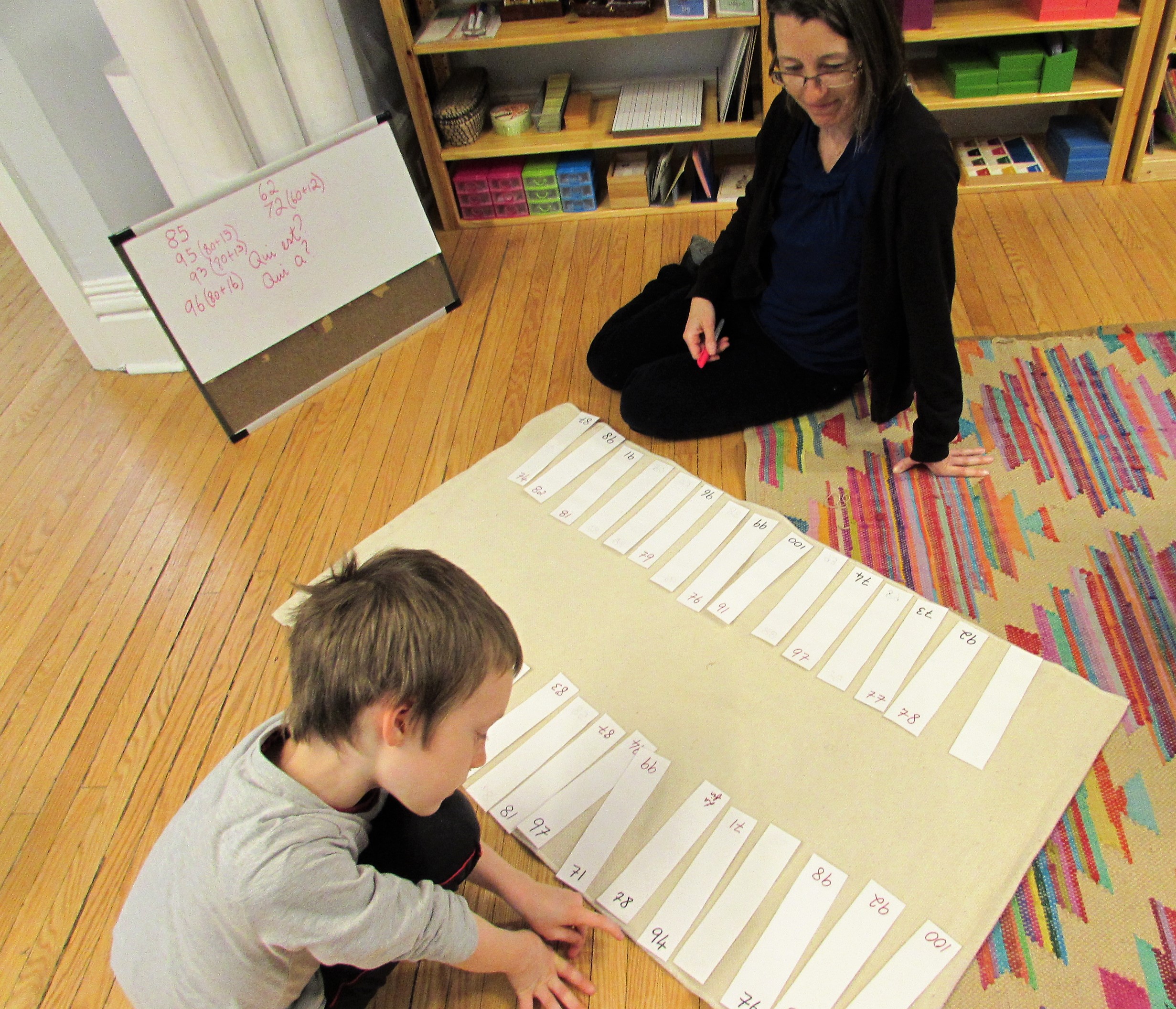
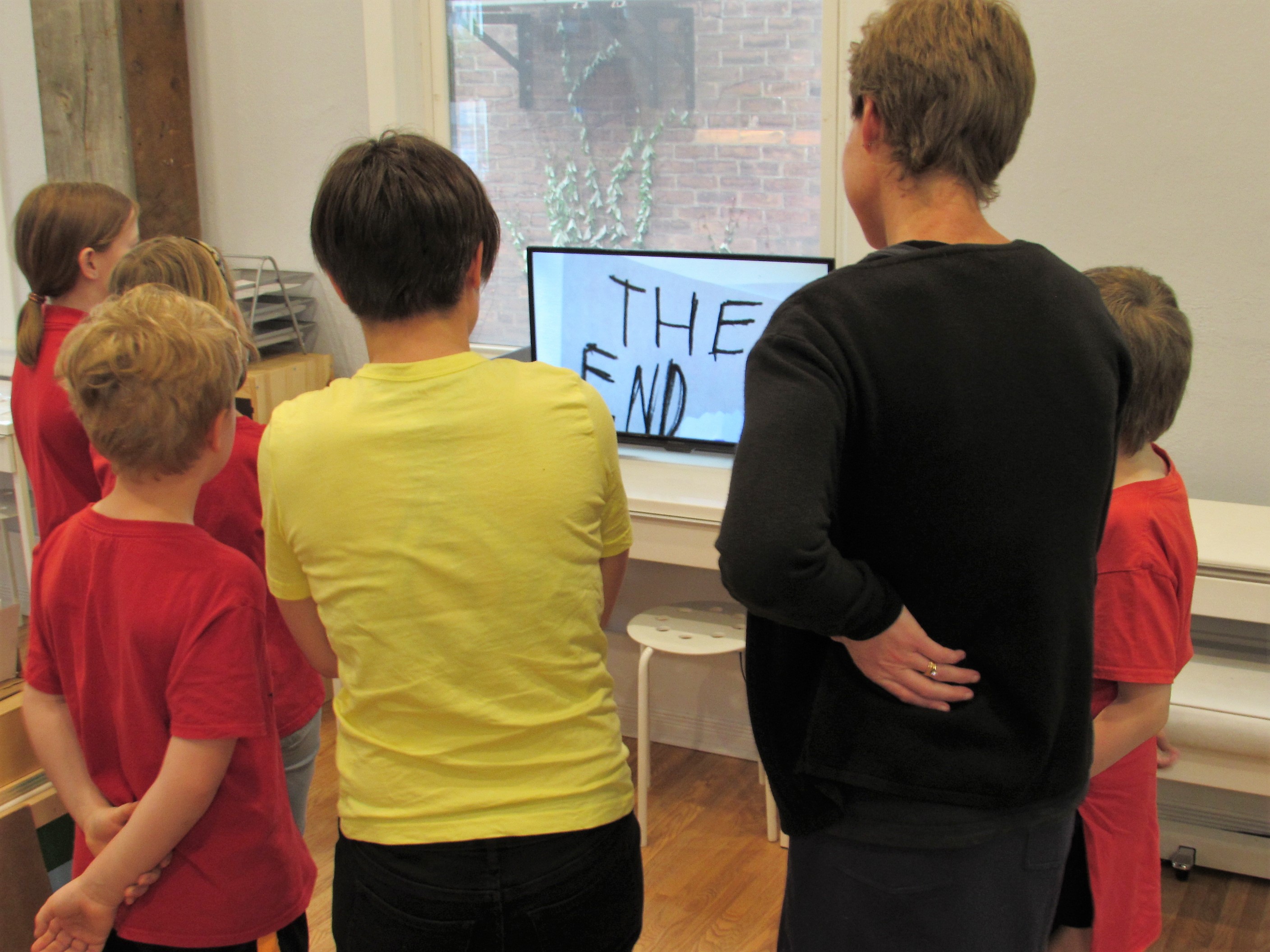
This week we have updates for you from your children's French language assistants; there's also a few more photos, and a video in this week's update. There will be more as the Toddler and Casa children become more settled in their environments and routines; click on any photo for a larger version.
Casa Families: Next Thursday, Sept. 26, is your first Parent Education event, from 4:00-5:00 at the Primary (Aberdeen) campus. Your children's Montessori guides will be discussing "Movement: How the Casa Environment Supports and Encourages this Sensitive Period." Child care, and a snack, will be available.
All Casa parents, please click here to let us know if you are coming to your Parent Education session, or not, and to register for childcare if needed.
Primary (Toddler and Casa) families have also received Scholastic catalogues over the last week. Ordering books from Scholastic helps your child engage with reading, and it helps your child's classroom; your orders help build up credit that Lyonsgate can use to order books for the school. For those not familiar with Scholastic, you can return the completed paper order form, with a cheque [no cash please], by the due date, or you can order online and pre-pay.
To order online, visit the How to Create an Account page for a step-by-step walk through and "Get Started."
When you get to the "Select a school" section,
Primary parents: connect to "Lyonsgate Mont Primary" (Hilary Mattar is the teacher)
Elementary parents: connect to "Lyonsgate Mont Elementary" (Marissa Achong is the teacher)
We have confirmed dates for this year's school photo days:
- Elementary students will have photos taken on Monday, Oct. 21.
- Primary students will have photos taken on Tuesday, Oct. 22
Check your Lyonsgate calendar regularly for updated information and to keep track of what's going on when.
Toddler
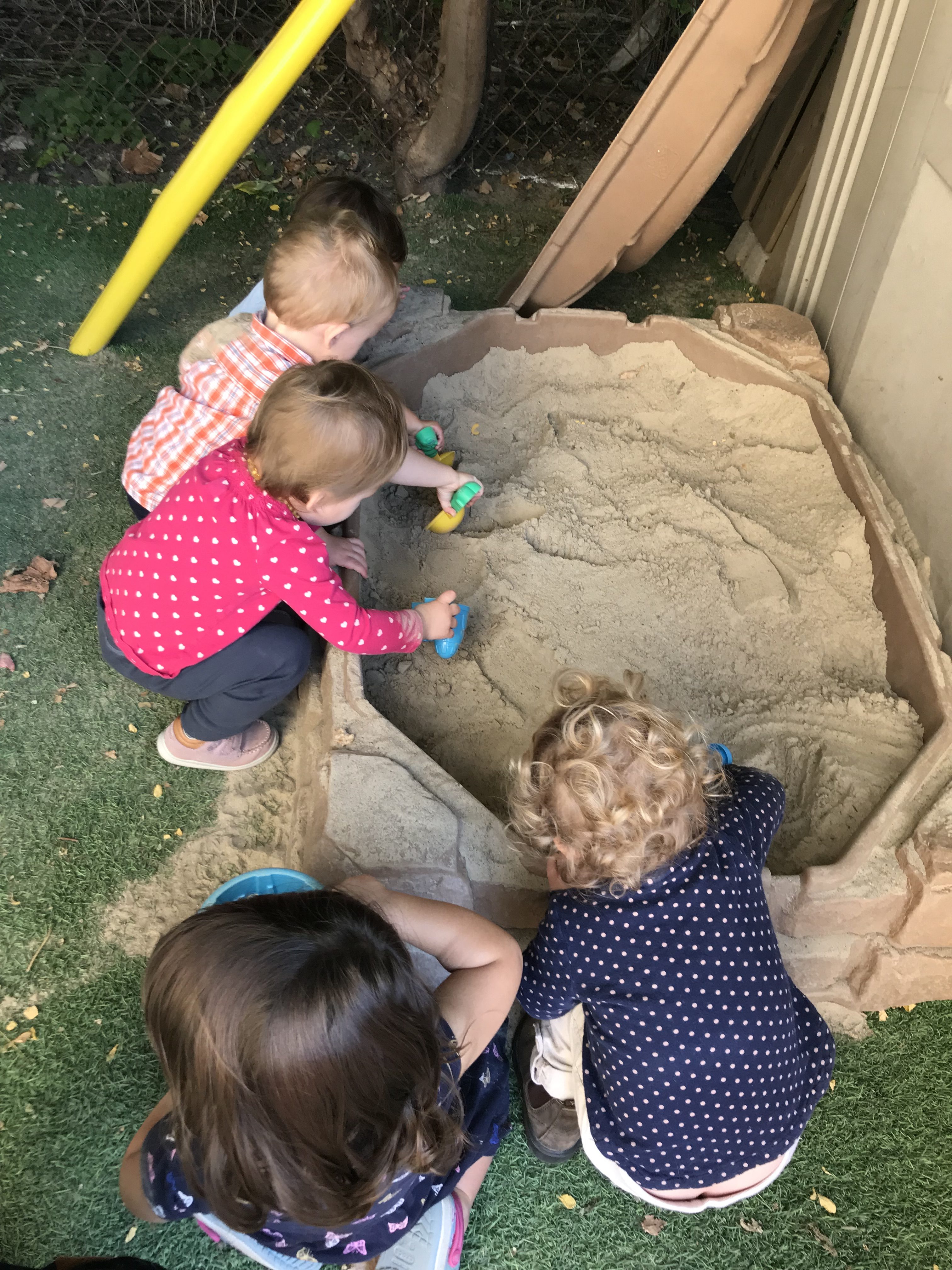
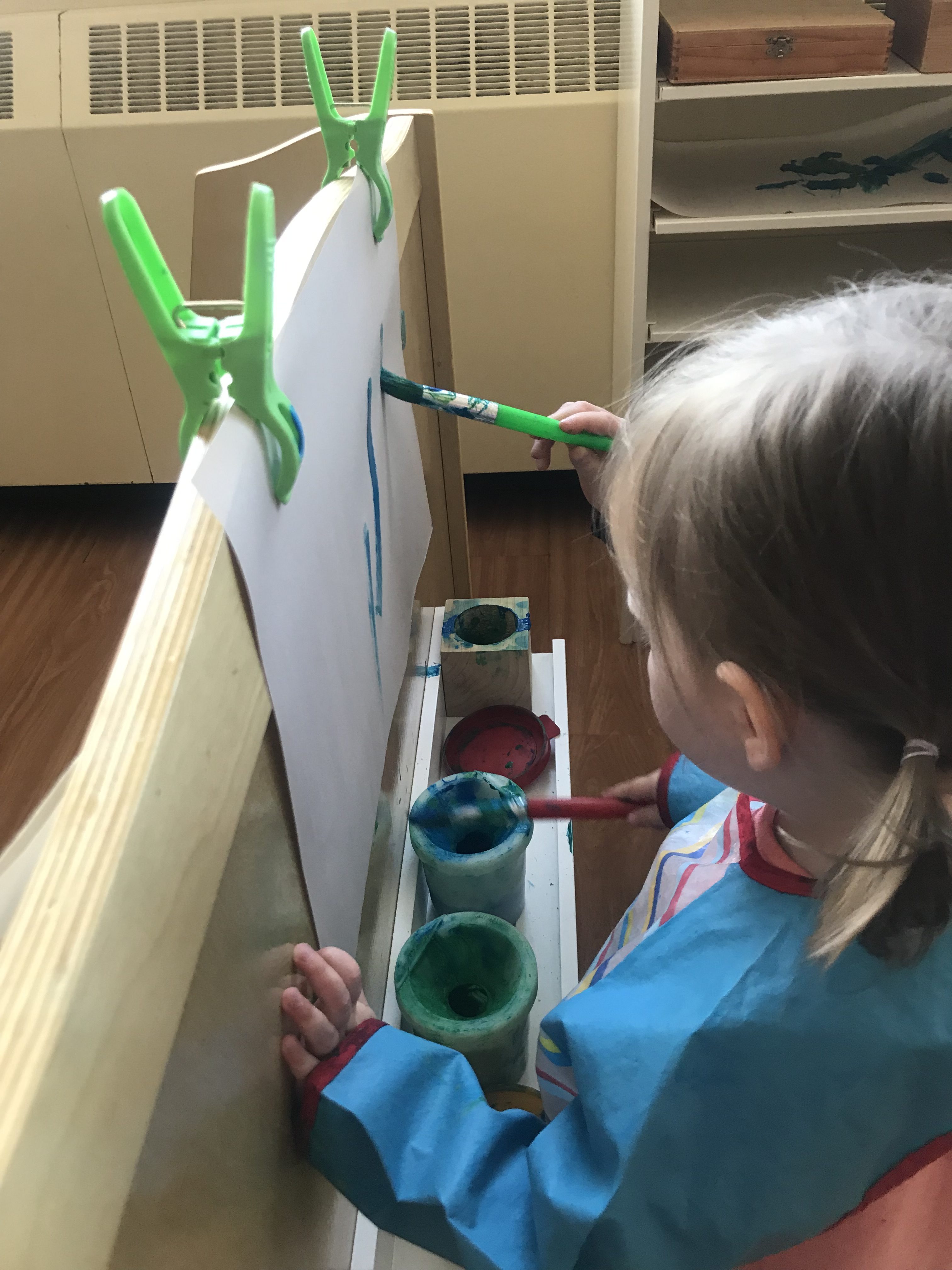

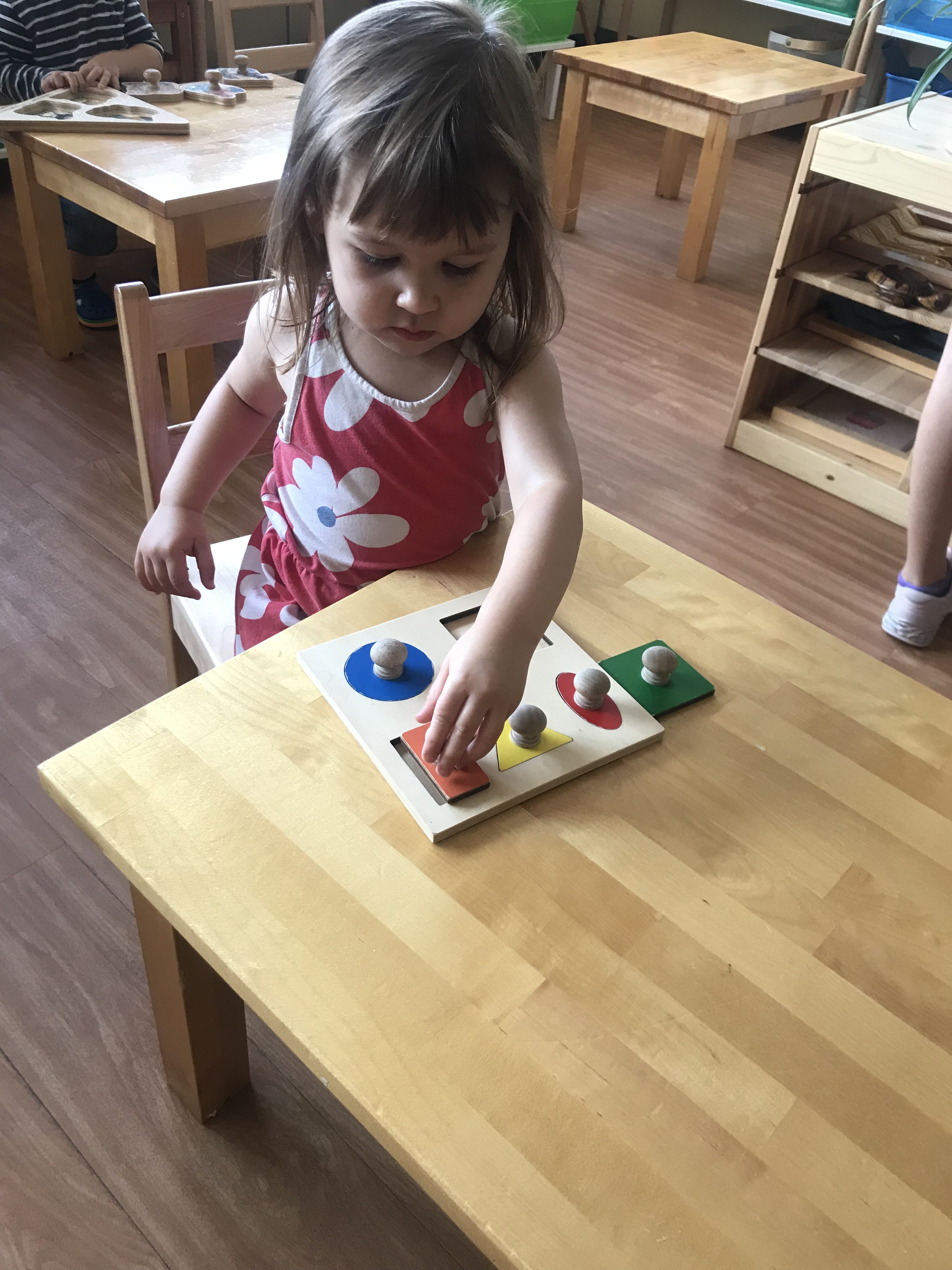
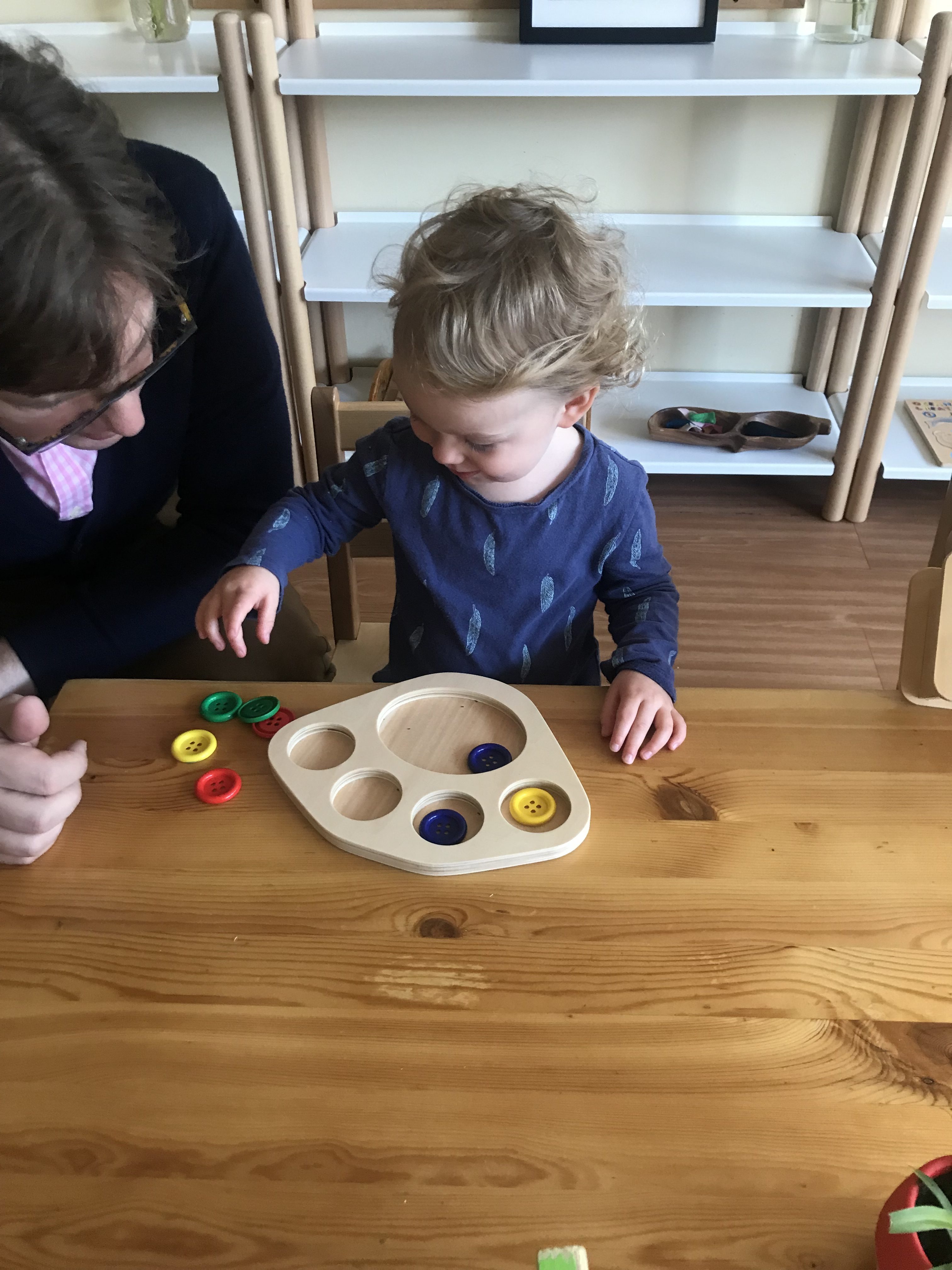
What a wonderful week three we have had. As the children have become more comfortable with their teachers, their personalities have begun to show. It is an amazing process to watch the children show us who they are. The children have started to interact with us and we have lovely conversations with them.
Having a teacher in the classroom that speaks a different language can be daunting at first. The children have become more comfortable with the language difference. Slowly but surely, the children have come to recognize what I am asking them. Simple phrases such as "laver tes main," "assieds-toi," and "prend ton travaille" have become more familiar.
The children have enjoyed listening to new French songs and books during French circle; "Brille Brille" has become a quick favorite among them.
Thank you for speaking to me in French to the best of your ability! It is a great example for the children to see how the French language isn't so scary because you are also speaking to me in French. A simple "Bonjour" or "Au revoir" makes all the difference. I look forward to showing the children more of the French language through presentations soon!
Mademoiselle Noordam.
Casa South

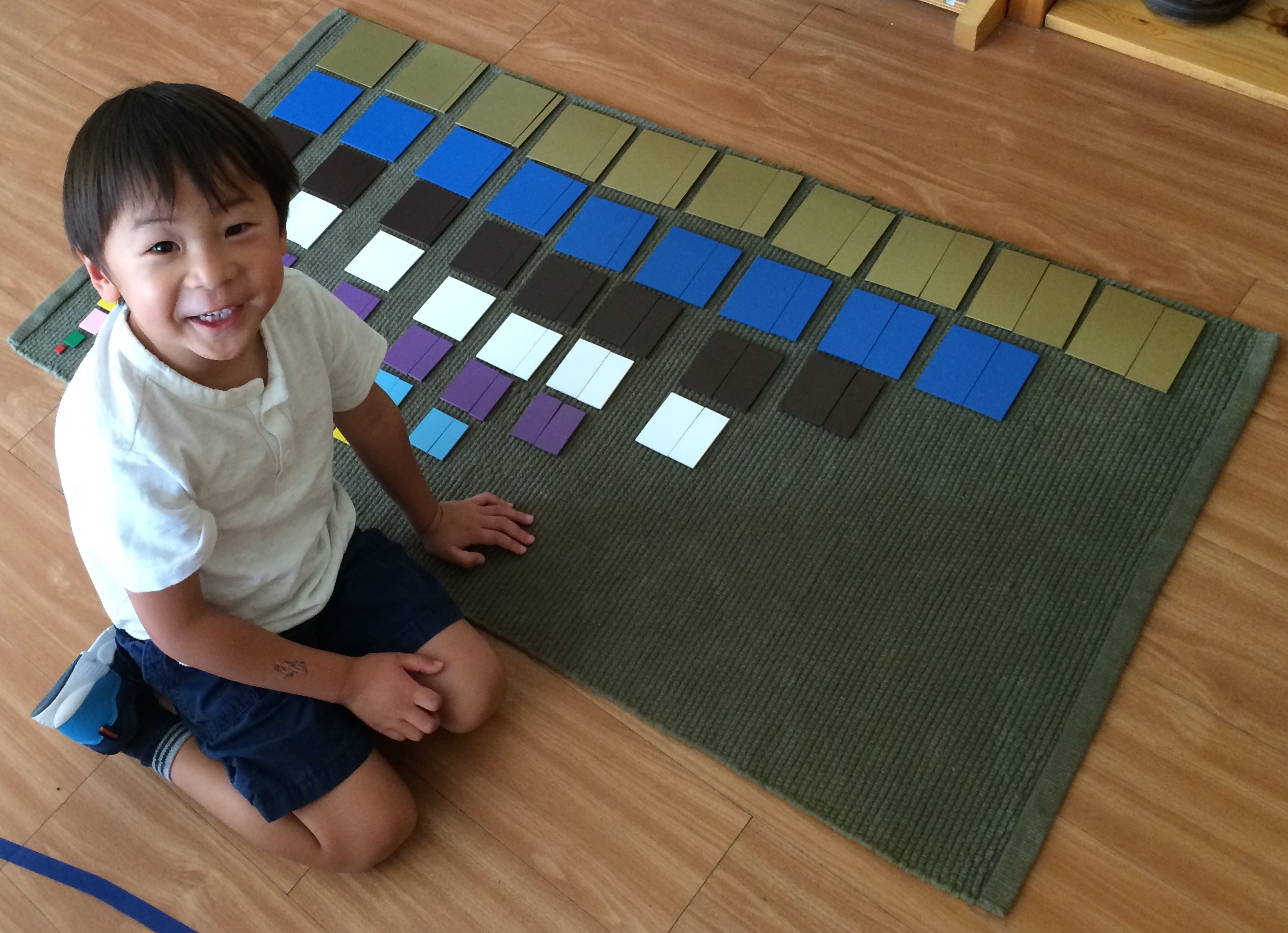
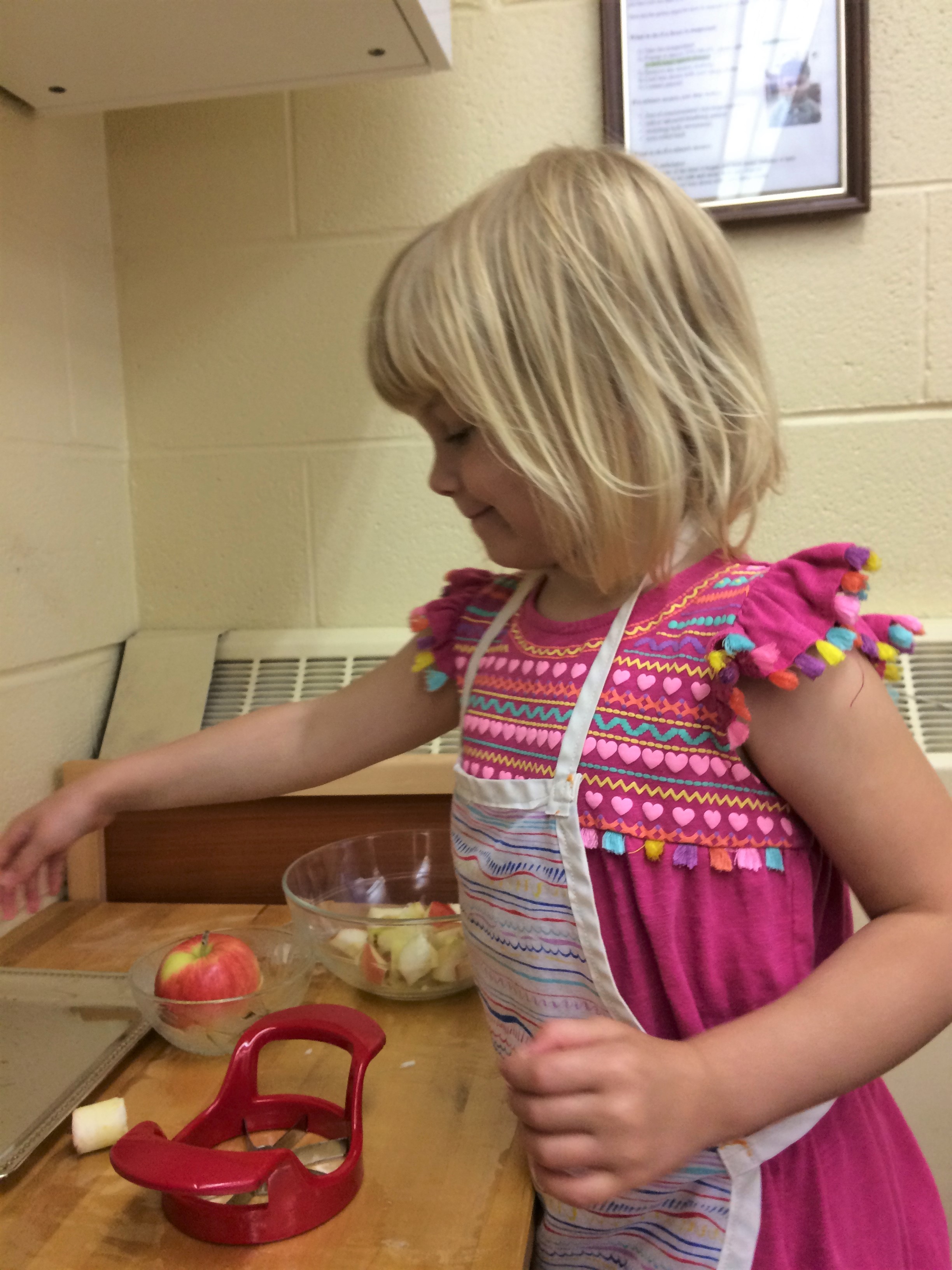
Dear Casa South Families,
These first few weeks have already flown by. I have absolutely loved meeting your children who are new to Casa South, and for those who are returning it's been so nice to see how much they've grown during the summer.
In the classroom, your children have the opportunity to hear me speak French all day. At their ages in particular, it's amazing how much they soak up from their environment. Already this year they've enjoyed hearing poems, music just for listening, singing songs, and conversations about numbers and colours in French group. The rest of the time, during the work cycles, we look at different classified cards, some read phonetic books, and very soon I'll start introducing some of them to phonetic words, when they will start to learn the sounds of the French language.
In other news, I want to thank you all for doing your best to speak to me in French. Even if it's a quick "bonjour," it's important for your children to see that they too can greet me in French, just like you.
Another thank you for everyone arriving and giving a brief goodbye at drop-off. It's greatly appreciated as it encourages your children to also make the effort.
Quick reminder while I still have you, Casa Parent Education is coming up next week!
Wishing you all a fantastic weekend,
Mlle. Paul.
Casa North
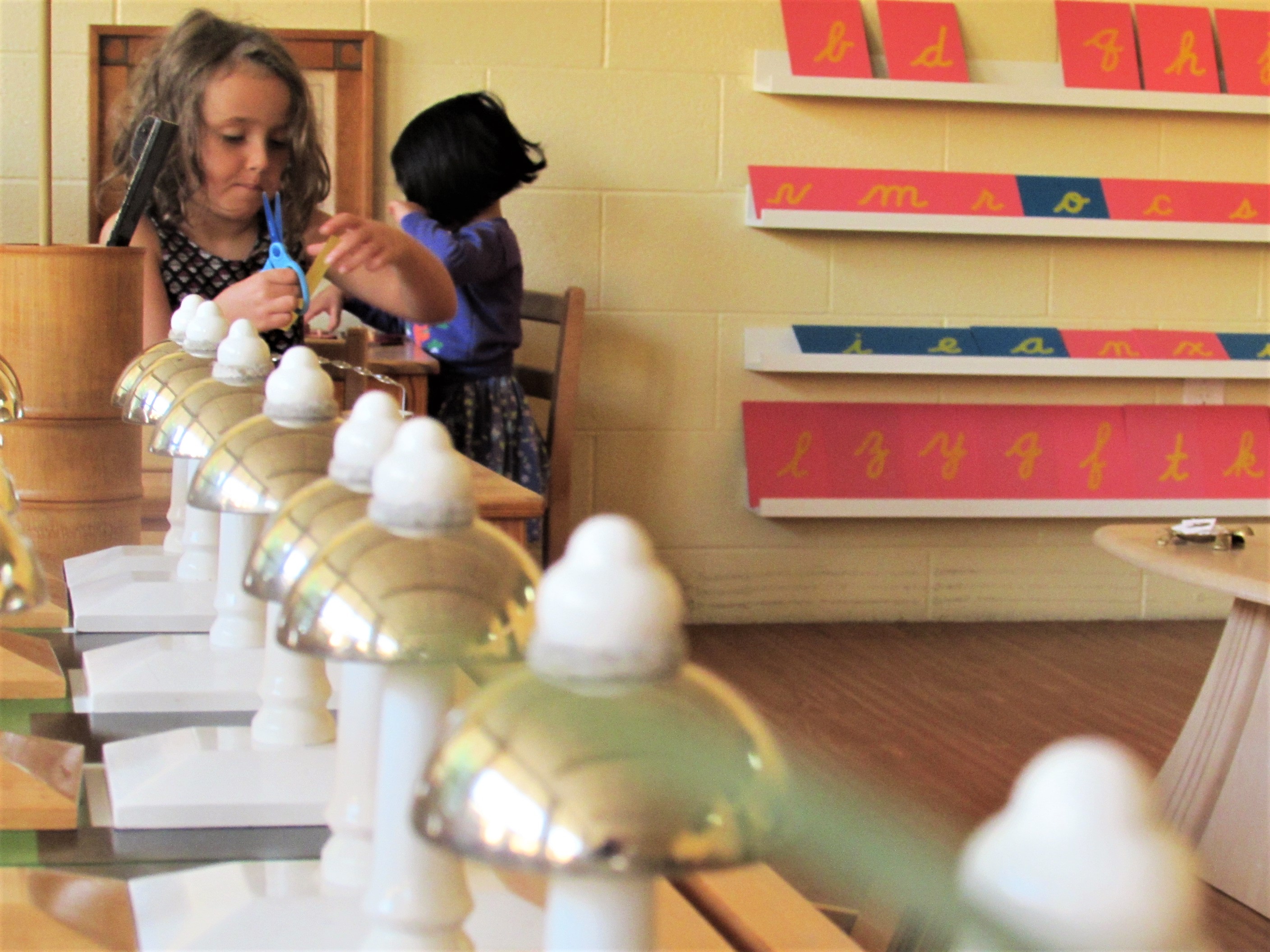
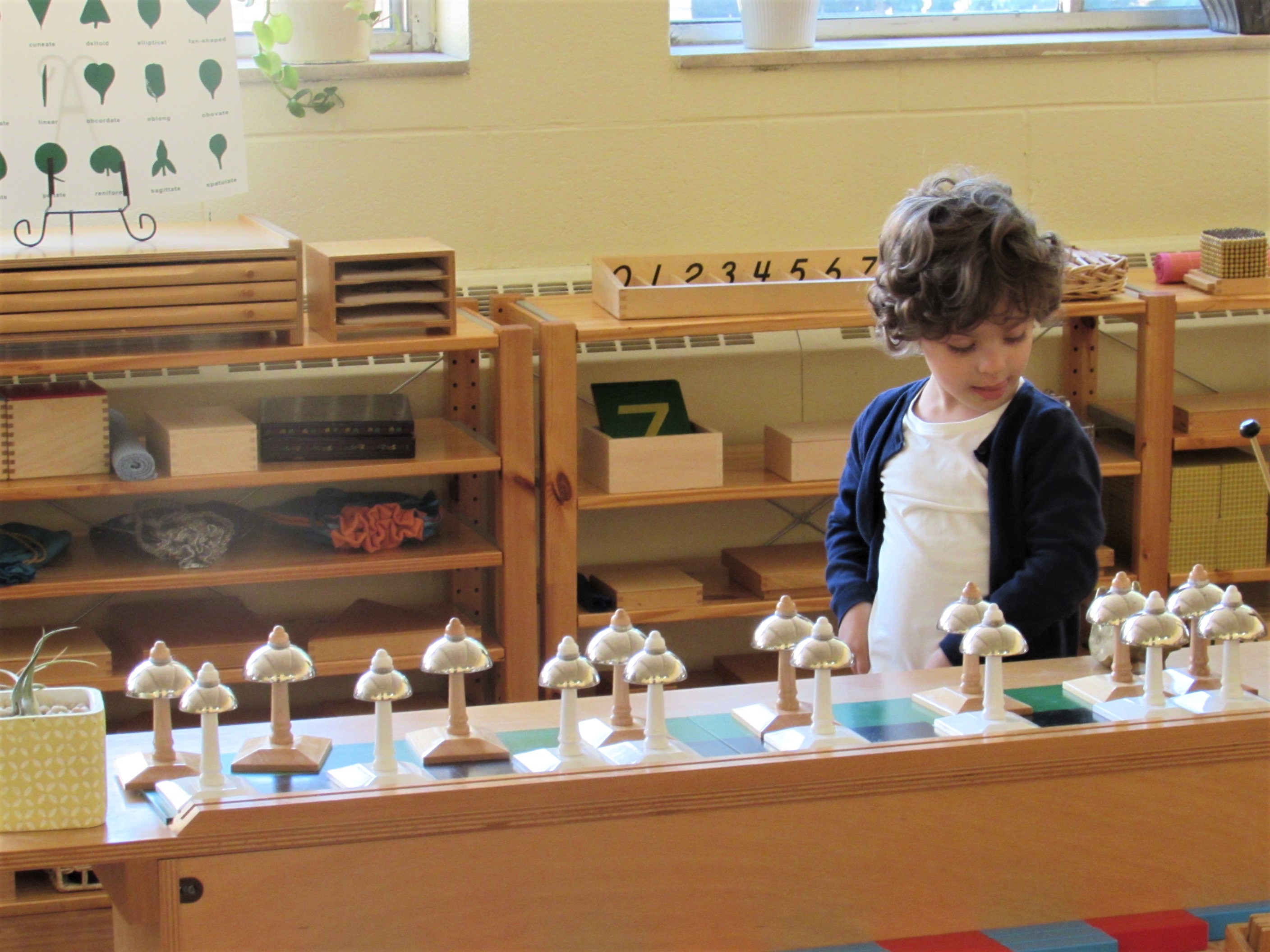
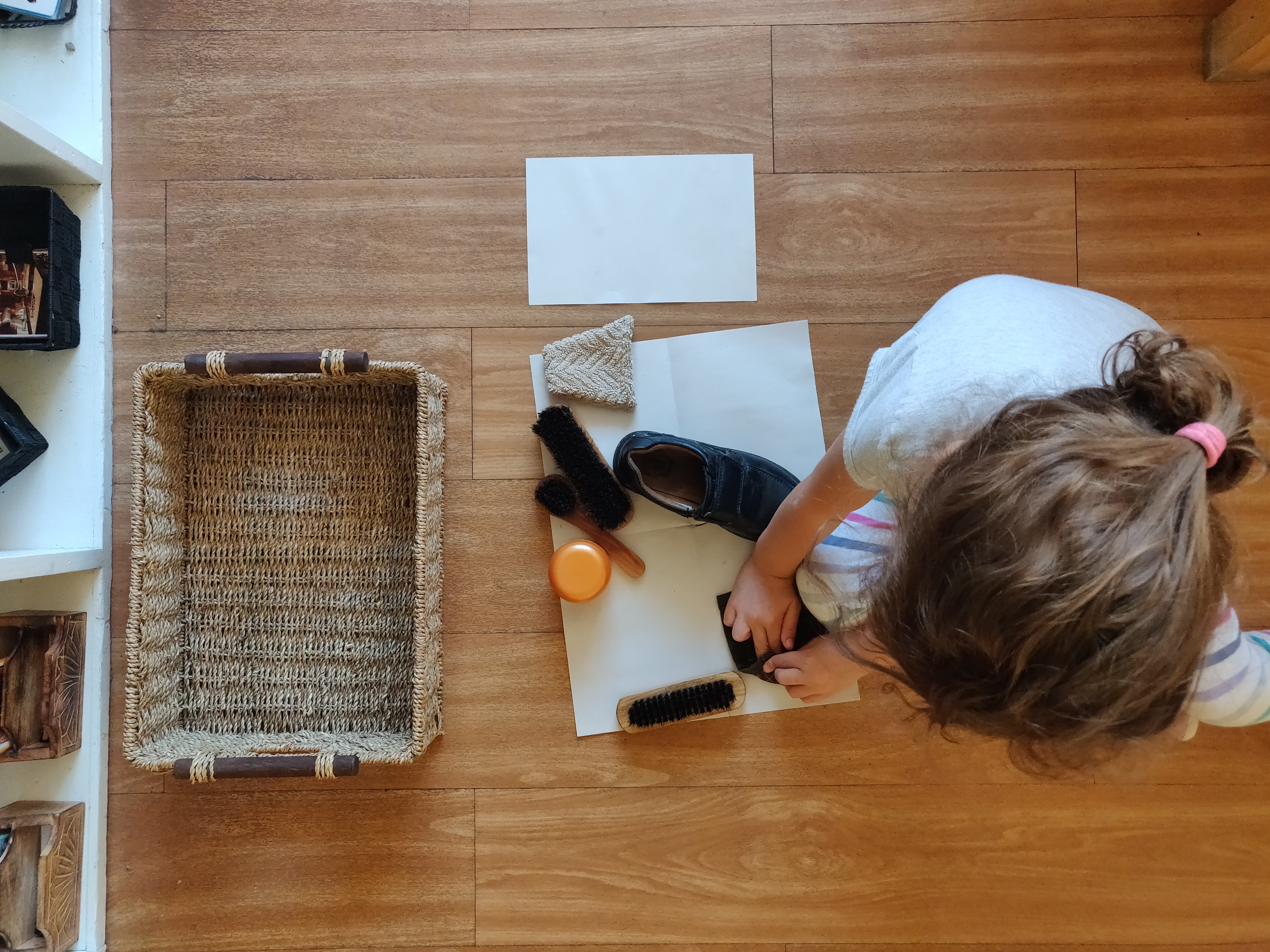
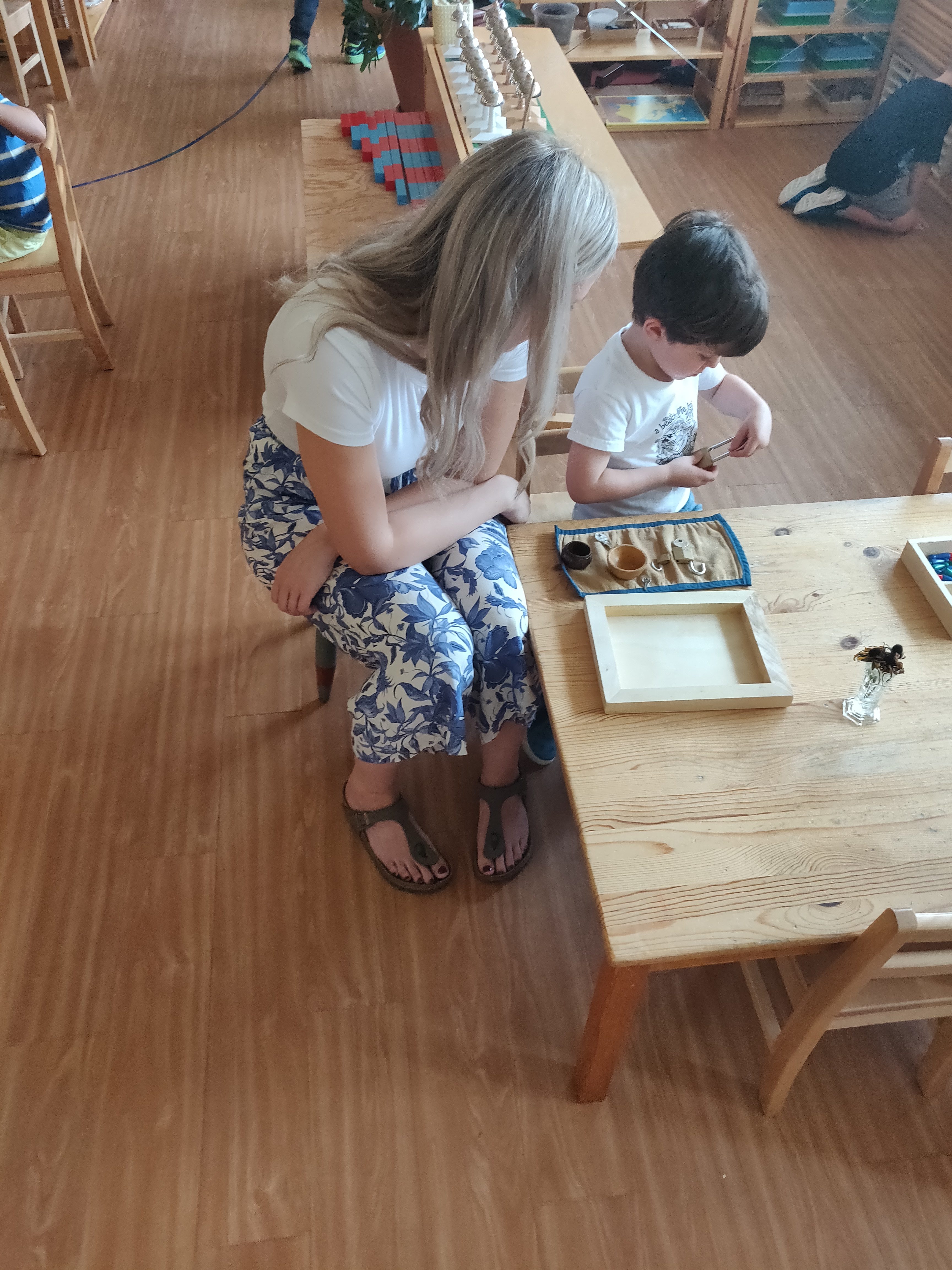
Bonjour! Hello!
My name is Monsieur Bouquin and I am the French assistant in the Casa North classroom. I was born and raised in Paris, France, until I moved to Canada in April 2019. My role at Lyonsgate is to provide the children with French conversation in their environment, while also bringing in bits and pieces of the French culture to enrich their learning experience.
Everyday, we have a French gathering in the afternoon before going outside to the playground. It is a great opportunity for the children to develop their vocabulary knowledge through songs, stories, and group conversations. The students work together to better understand and incorporate the French language into everyday life. Our focus lately has been on fruits and vegetables.
When at Lyonsgate, I communicate exclusively in French with the children, which can certainly create some interesting situations. They are in that stage where they can easily absorb language and process it before they may even understand it clearly. The best thing for an individual learning a second (or third or fourth!) language is to continually practice it on a daily basis. For the parents at Lyonsgate, I encourage you to continue working with your child outside of school hours to promote your child’s development of the French language. There are many ways to bring up French at home in everyday life; why not try making the grocery list in French? Perhaps you could visit the local library and see what other resources are available such as videos, CDs, and French children's books, or even community events that you can attend with your child. The more they practice what they know in French, the more confident they will become.
Merci,
Monsieur Bouquin.
Elementary
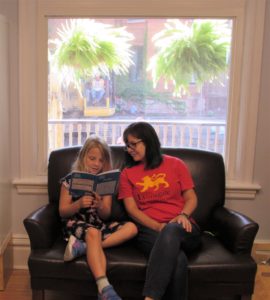

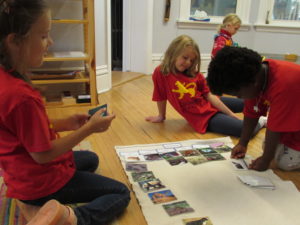

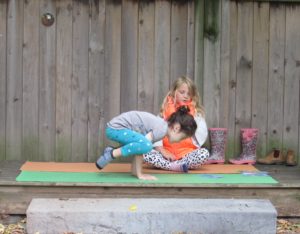
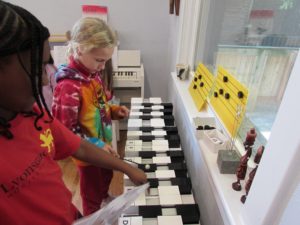
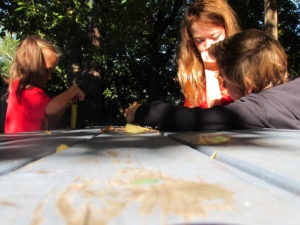
Only three weeks into the new school year and already the children comprehend my common refrain of "cherche ton cahier de français." They are all busy with French lessons and learning to communicate with me in French on a daily basis. Those in year 1 are currently revisiting numbers and colours and will gradually learn how to apply these important pieces of language in describing the world around them. Year 2 students have taken a look at Euro coins and are about to explore where exactly this currency is used. Our third years are mastering the art of introducing themselves to others in French, and are having fun doing so using secret identities!
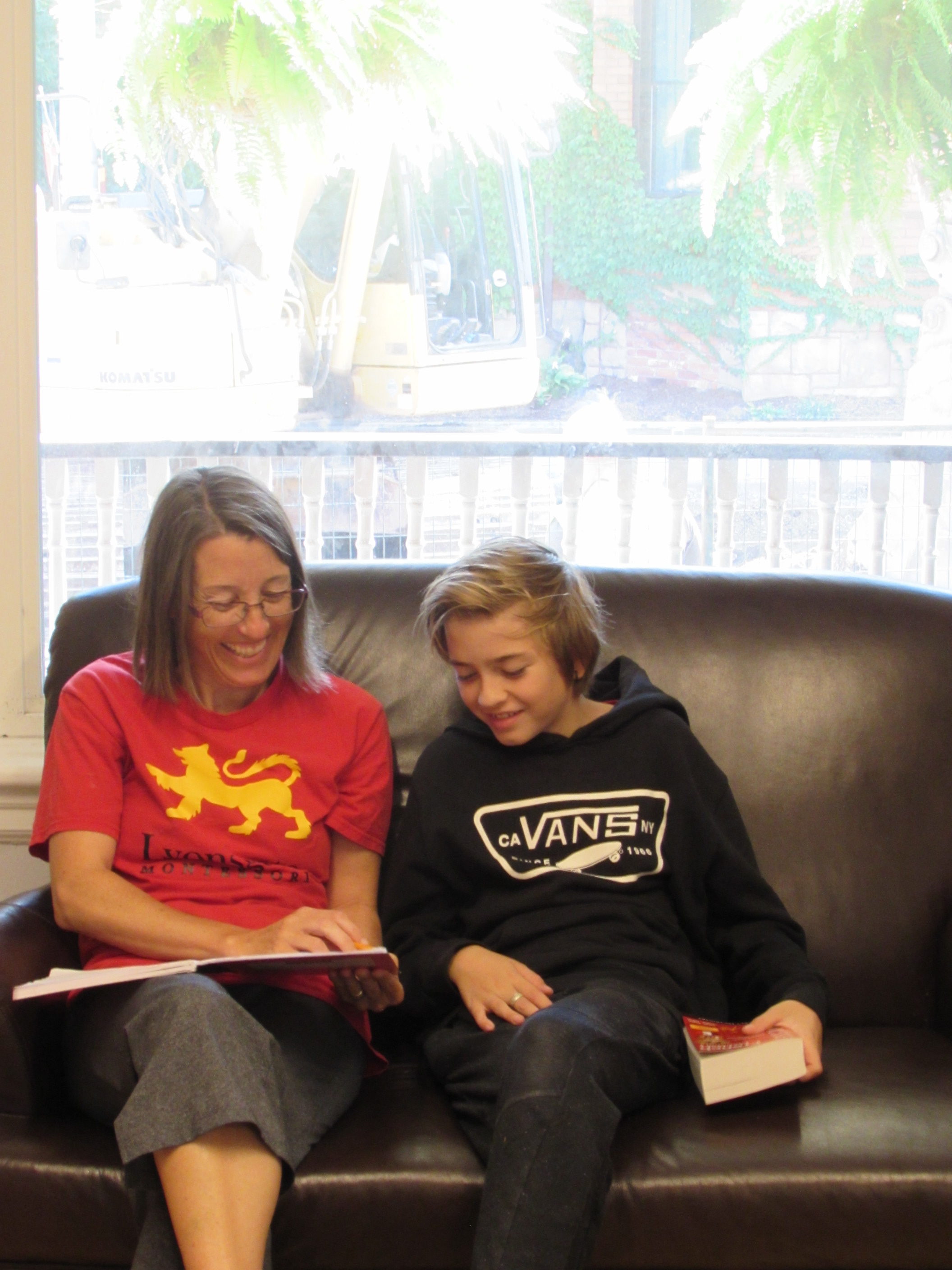 Our Upper Elementary pupils are keeping journals in French this year and are reading a Scholastic magazine called Allons-y every week, where they keep abreast of various celebrations, events, and famous people in the francophone world (all relevant and appealing to their age group of course).
All the children are continually made more aware of the francophone world simply by learning the French language, but this week we immersed ourselves in a part of African culture. Jean Assamoa, originally from Côte d’Ivoire in Africa, paid us a visit. His mission is to share traditional story telling and music from his birthplace with children in North America. Your children had fun learning to use various percussion instruments from Côte d’Ivoire, and dancing to Jean’s wonderful drumming. More information about Jean can be found here.
https://youtu.be/weMjDSlfX8w
This year, we are fortunate to have a greater number of French speaking children form part of the Lyonsgate Elementary community. Their everyday banter in French is wonderful for their peers to simply sit and listen to, all the while soaking it all up. These children will gradually fulfill the role of helping their peers to practice their French. The naturally kind and nurturing environment of our Elementary classroom will lend itself to this peer support.
At this point, I have met the majority of new parents to Elementary this year. If I have not yet had an opportunity to talk with you I hope that I will soon. Please also remember that I can be easily reached by email at janice@lyonsgate.ca.
À bientôt,
Madame Egan
Handbook Highlight
This week, we are highlighting the "Food and Nutrition Policies" section of your Parent Handbook [p. 112 in the embedded viewer]. Food service and nutrition requirements are addressed by a number of different guides and pieces of legislation at all three levels of governance:
- Federally through Canada’s Dietary Guidelines (this is the updated Canada Food Guide).
- Provincially through CCEYA legislation.
- Municipally through Hamilton Public Health.
The impact of diet on concentration levels and health is well documented and the best time to instill in children a healthy attitude to food and nutrition is when they are young. We know how stubborn children can be around food, but quite often children are more open-minded amongst peers.
In this section, you will find information and requirements for both Lyonsgate and parents regarding:
- The "Hot Lunch" program.
- "Bagged" lunches — ie. lunches from home at the Elementary level.
- Alternative and supplemental snacks.
- Menus.
- Allergies and food restrictions.
Following the "Food and Nutrition" section is a comprehensive resource from Health Canada with a link to Canada's new Dietary Guidelines, as well all sorts of food and nutrition tips.
Coming Up
Check your Lyonsgate calendar regularly for updates and details.
- Casa Families: Next Thursday, Sept. 26, is your first Parent Education event, from 4:00-5:00 at the Primary (Aberdeen) campus. Your children's Montessori guides will be discussing "Movement: How the Casa Environment Supports and Encourages this Sensitive Period." Child care, and a snack, will be available.
All Casa parents, please click here to let us know if you are coming to your Parent Education session, or not, and to register for childcare if needed.
- PD Days: There are some PD days coming up, and there are details to note, especially for Elementary families:
-
- On Monday, Sept. 30, both Lyonsgate campuses will be closed. This is to accommodate the Rosh Hashannah observance at the Beth Jacob synagogue, and to give Lyonsgate staff an opportunity to meet after the first month of school.
-
- On Tuesday, Oct. 1. only the Lyonsgate Primary (Aberdeen) campus will be closed. The Elementary campus will be open for Elementary students. Before Care, After Care, and Extended Care for registered Elementary students will take place at the Elementary (Locke St.) campus. The Primary (Aberdeen) campus is not available due to the Rosh Hashannah observance — there is no walking school bus.
- Toddler and Elementary Parent Education: Toddler and Elementary parents are asked to attend your first full Parent Education sessions of the year on Thursday, October 3.
-
- Toddler families: your Parent Education session will take place at the Primary (Aberdeen) campus from 3:00-3:30.
- Elementary families: your Parent Education session will take place at the Elementary (Locke) campus from 4:00-5:00
- Registration and childcare details will be available next week.
-
Lyonsgate Weekly Update | Friday, Sept. 13, 2019
Happy Friday Lyonsgate Families!
We hope everyone is settling into school routines both at school and at home. We had some excitement this week with the tree that fell onto the car just outside the Lyonsgate Primary campus parking lot.
In other exciting news, you can now find the Lyonsgate lunch menu on our website. The hot lunch menu works on a rotating 4-week cycle; you can check the Lyonsgate calendar to see which week we are on. The menu indicates the vegetarian option for each meal, where applicable. All other allergy/restriction meal substitutions (dairy, gluten, etc.) are on a per meal basis. Please don't hesitate to contact the school if you want to know what a specific substitution was for a specific meal for your child.
Toddler

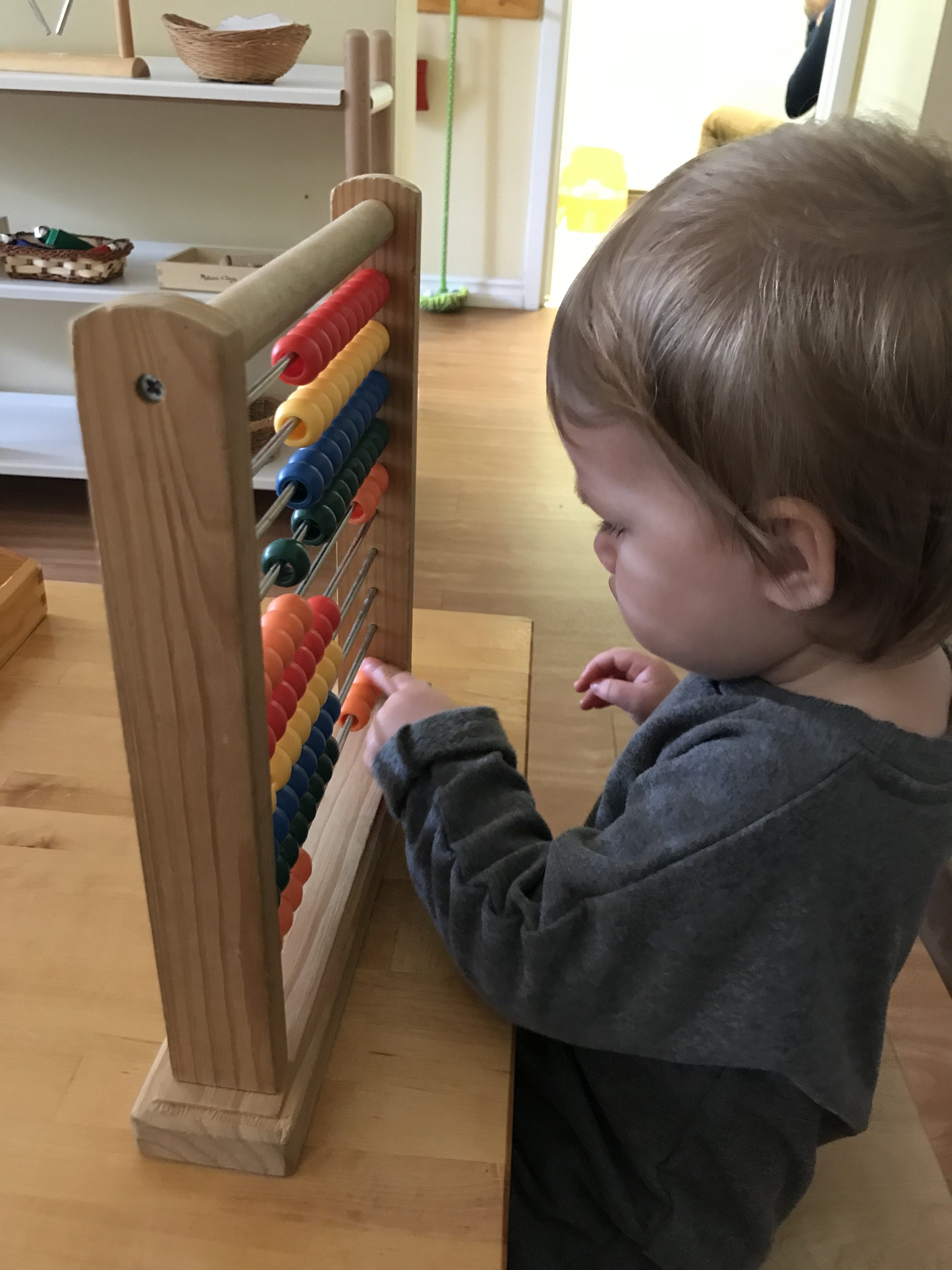
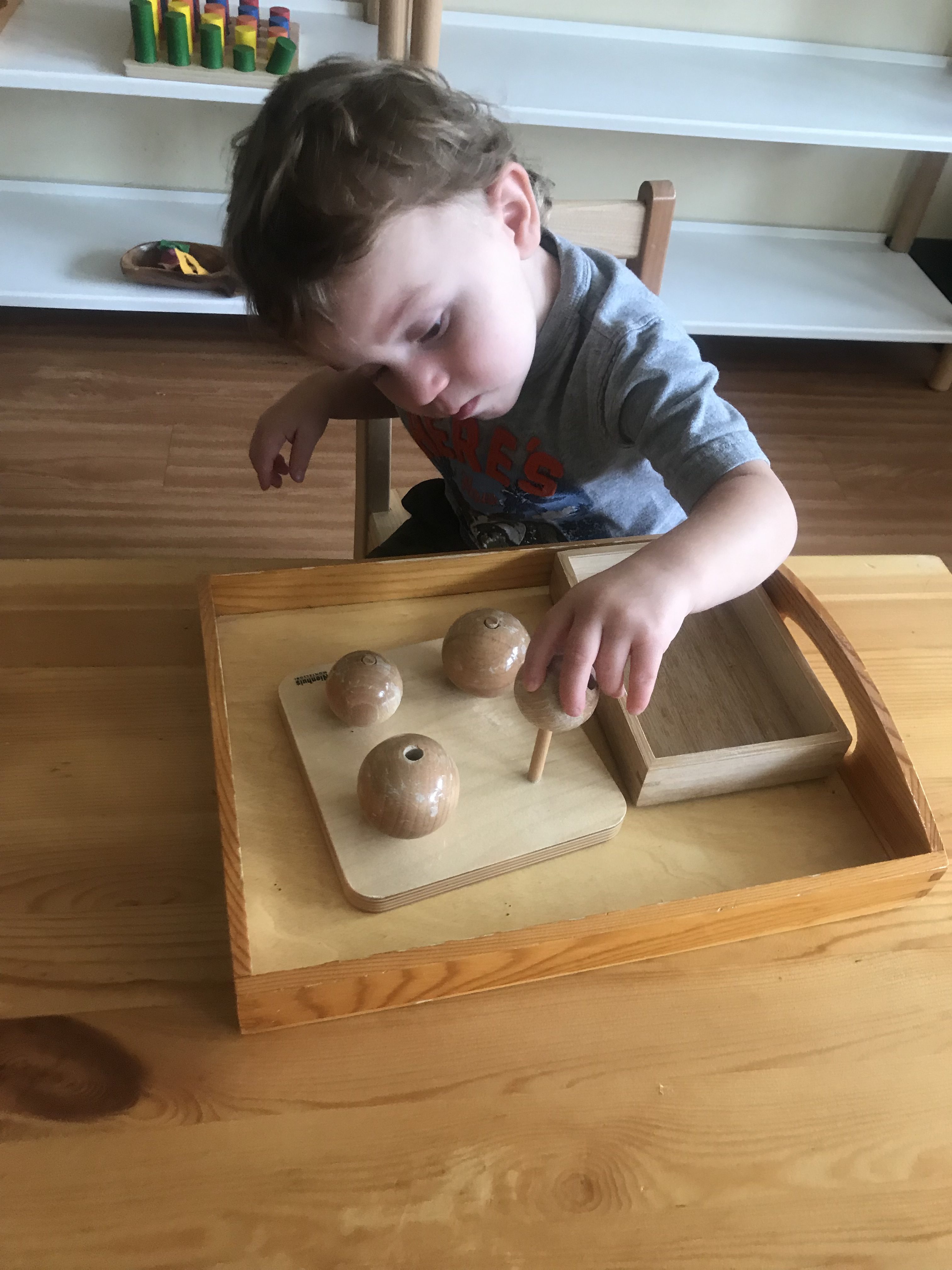
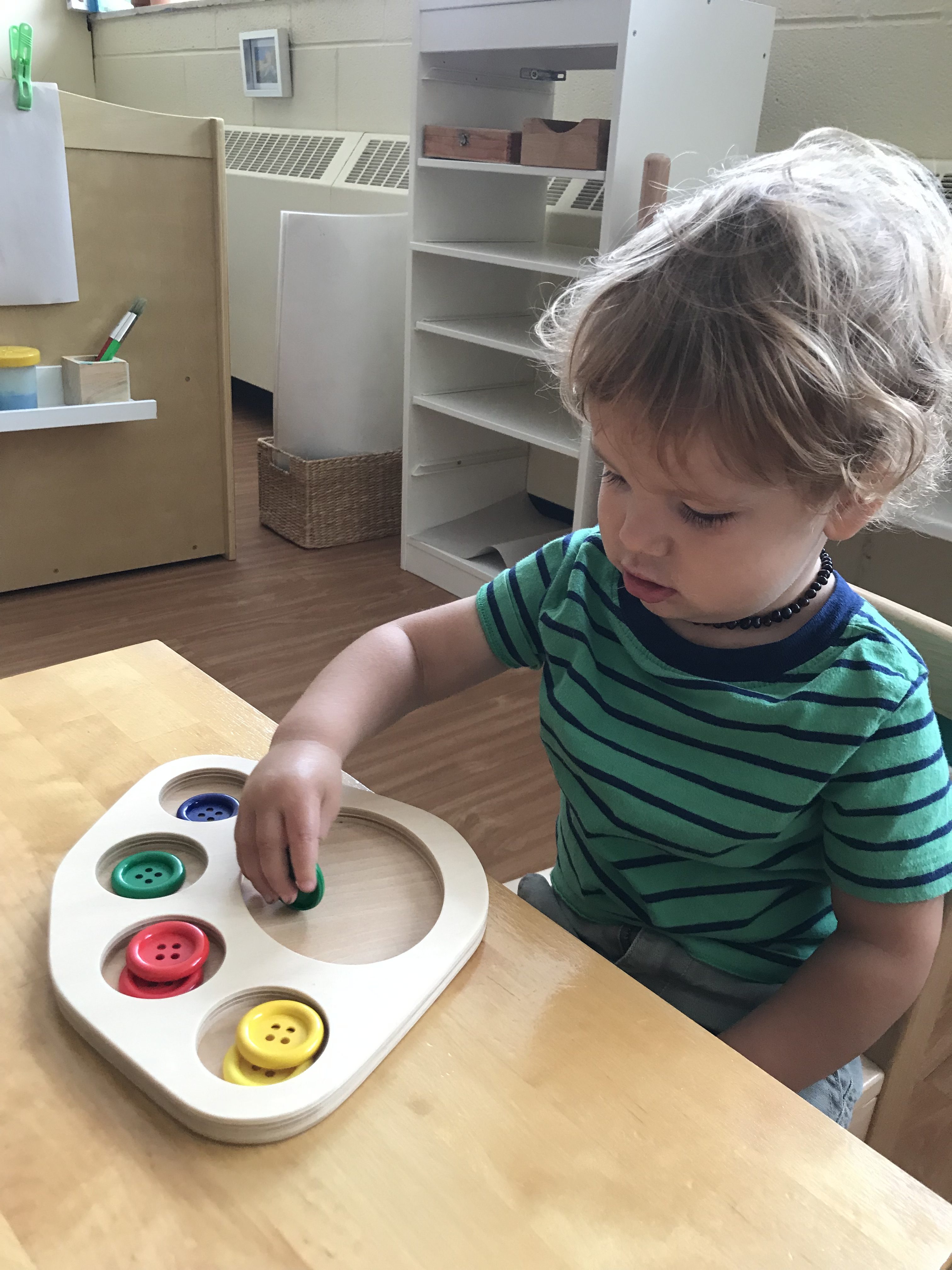
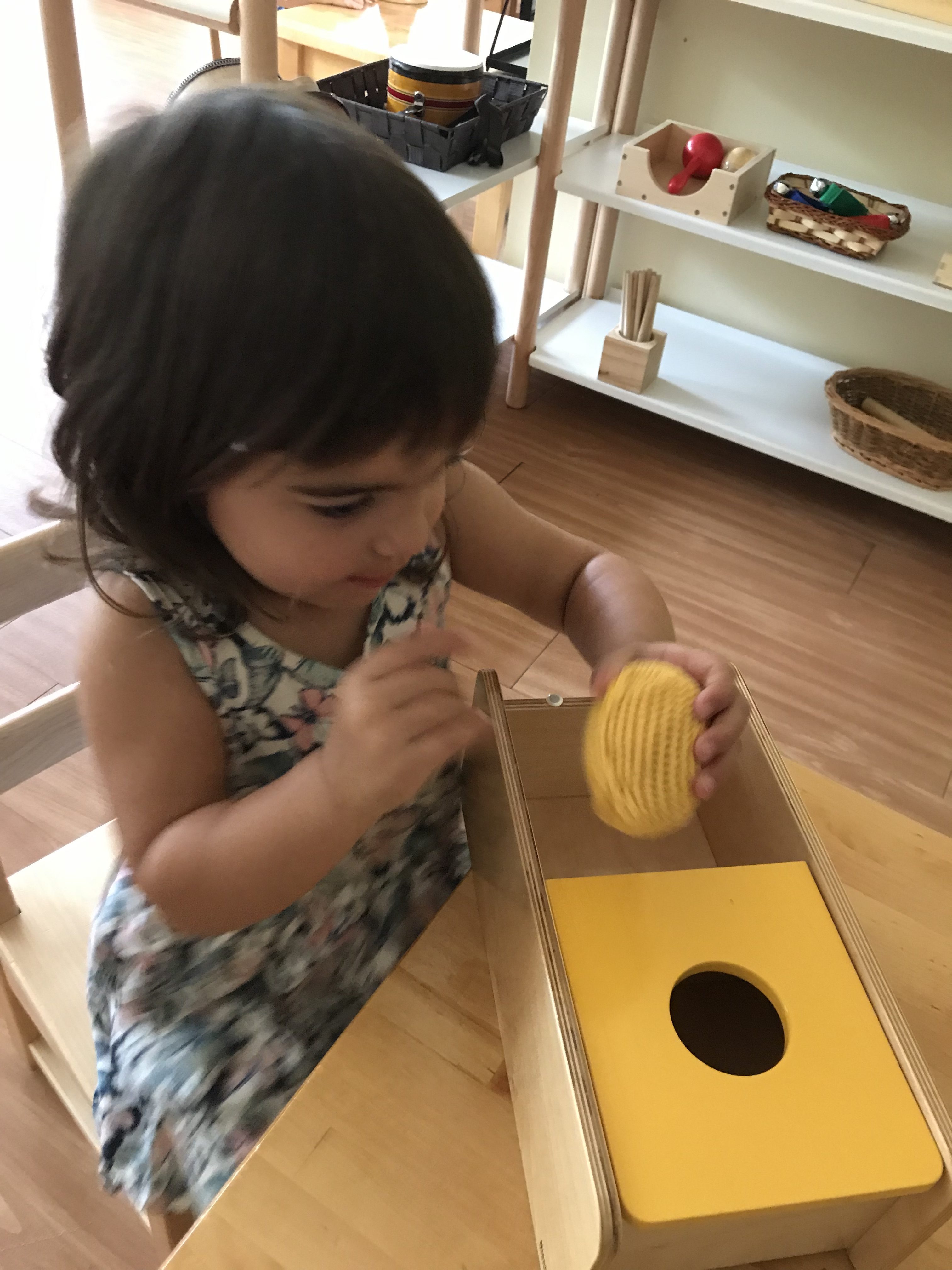
Happy second week of school! First (ever!) for some of our new friends.
This was our first week with all the children. They are settling into the classroom and are becoming more eager to seek work. Consistency in their routines is helping them settle much easier. Thank you.
The daily lunch menu has been posted on the Lyonsgate website; you will find it under the "Parents" tab. Check the Lyonsgate calendar to see which week of the 4-week cycle we are on.
Outdoor play is unanimously a group favourite at the moment as they get to see toys that are familiar and run off some toddler energy.
Reminders:
- Drop off: Mr. Davis will be in the cloak hall assisting children as they arrive between 8:25 and 8:45 daily. He is helping remove outdoor gear and preparing them for the classroom entry. A quick drop off, although so hard some mornings, is the best thing for your child; it establishes a consistent routine and children are able to settle and enjoy their Montessori days. Once children are dropped off, please know that they are being loved and cared for and comforted, and that they do calm themselves and enjoy their day. Please exit the Lyonsgate property; if a child catches a glimpse of a peeking parent or grandparent it takes them much longer to settle, or re-settle.
- Pickup: We encourage parents to wait outside of the playground gate where one of the teachers will bring your child over to you when picking up. The daily log is posted on the clipboard on the fence and provides pertinent details about their day. The Toddler school day ends at 3:30, which is when children are to be picked up. If you need extra time, you can register for After School care, which runs from 3:30-4:30. Children in After School care can be picked up anytime between 3:30-4:30 from the Room of Requirement just across the hall from the Toddler room.
- Water bottles stay at the school and are washed by us.
- Please avoid shoes with buckles, laces, and anything else that hinders children from doing it for themselves.
- Blankets are sent home for a wash every two weeks on Friday, starting next Friday, Sept. 20th.
Have a wonderful weekend. We will see you all next week! — Miss Dee
Casa South
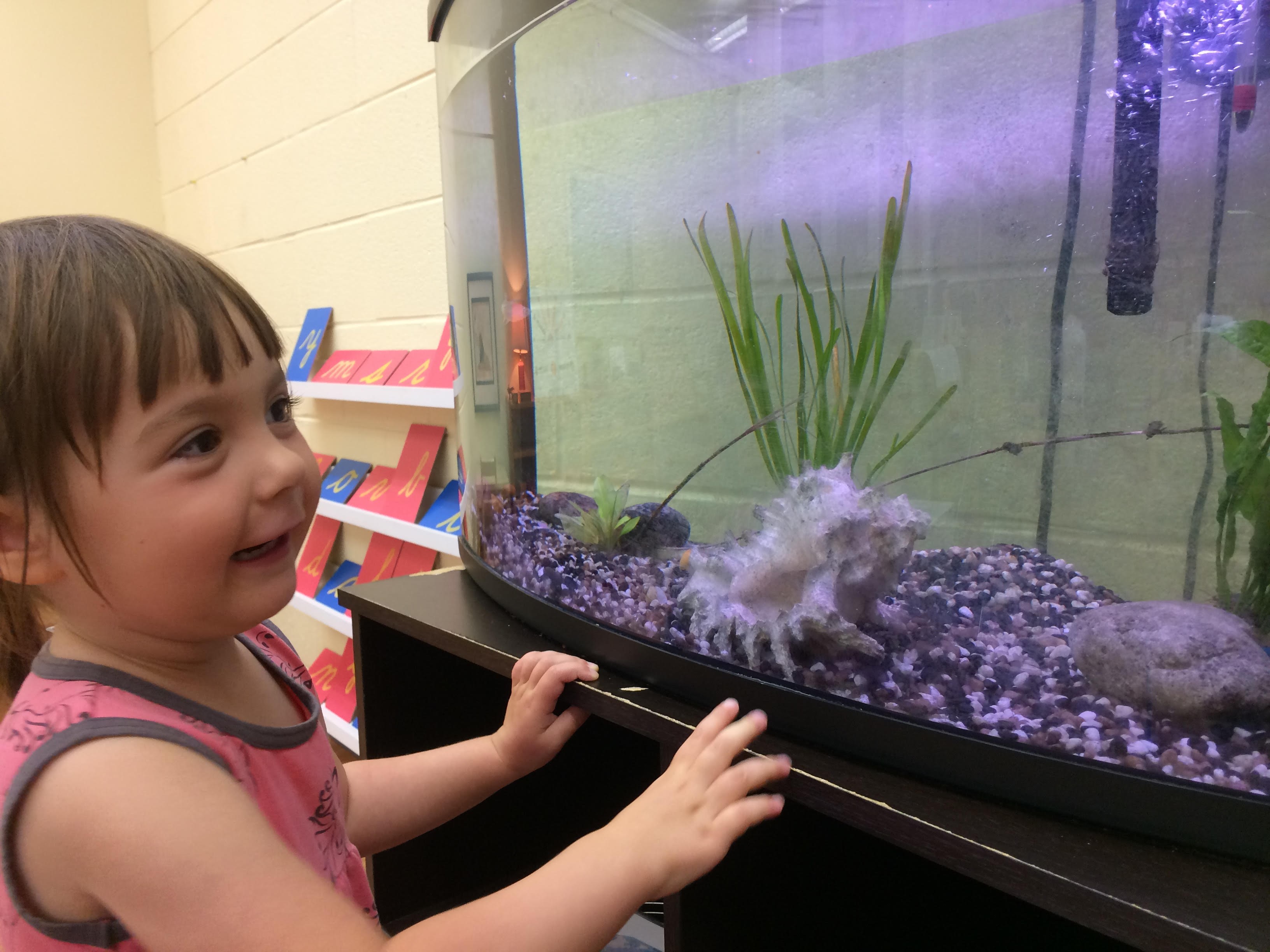
Casa South's first full week was a great success. Our third-year Casa students are embracing their roles as leaders in the Montessori environment and are serving as little assistants helping the new Casa children become familiar and comfortable.
The new first-year students are very excited to receive presentations with new and fascinating Montessori materials, and to finally get their hands on materials they may have seen in visits to the classroom while they were in Toddler. Our second-year students are showing us that they are ready to work with the more challenging materials all of their hard work last year prepared them for.
We encourage you to find ways to allow your Casa child to experience and develop independence at home. They are learning to do things for themselves at school, such as entering the school independently every day and getting themselves ready in the cloakroom, and the more practice they have the more confident and capable they will become. The best way we encourage independence as adults is through patience, and by making sure we have the time to allow children to work through their independent tasks.
Please remember to try and save superhero and other popular culture/media emblazoned articles of clothing and accessories for wear at home and on weekends. Even things like socks and hair clips are significant distractions for young children that are learning to develop focus and concentration. Thank you for understanding.
— Miss Moffatt
Casa North

Hi Casa North Families,
Another week down! As your little ones are starting to settle into their new routines, here's a few ideas for helping them along.
Rather than asking "What did you do at school today?" try asking, "What was your favourite thing about your day?" Often, the day is so full of presentations, observing, eating, playing at recess, and socializing it can be overwhelming to say all of the things that happened. A favourite thing might be talking to a friend, having bread at lunch, or simply "recess," but it gives a little bit more insight into their day.
Reminding your child that the weekend is two days at home and then back to school on Monday is helpful as well. A weekend can feel like an eternity for a Casa child, and it doesn't hurt to let them know that the school week starts again Monday morning.
Lastly, please do your best to arrive between 8:25-8:45 a.m. for regular arrivals. It makes such a different in the morning when they arrive with their peers, and before the classroom has come into a settled work cycle. There is extra staff on hand (including me!) to help those who are extra sensitive, and it helps instill the value of arriving at a set time. This will ultimately make a huge difference in how they settle into their routine as well!
Thank you for entrusting us with your children. We don't take the responsibility lightly, and are so grateful that you share each one of them with us. I couldn't be happier with the community we are building.
Enjoy a safe and happy weekend,
— Miss Boyle
Elementary
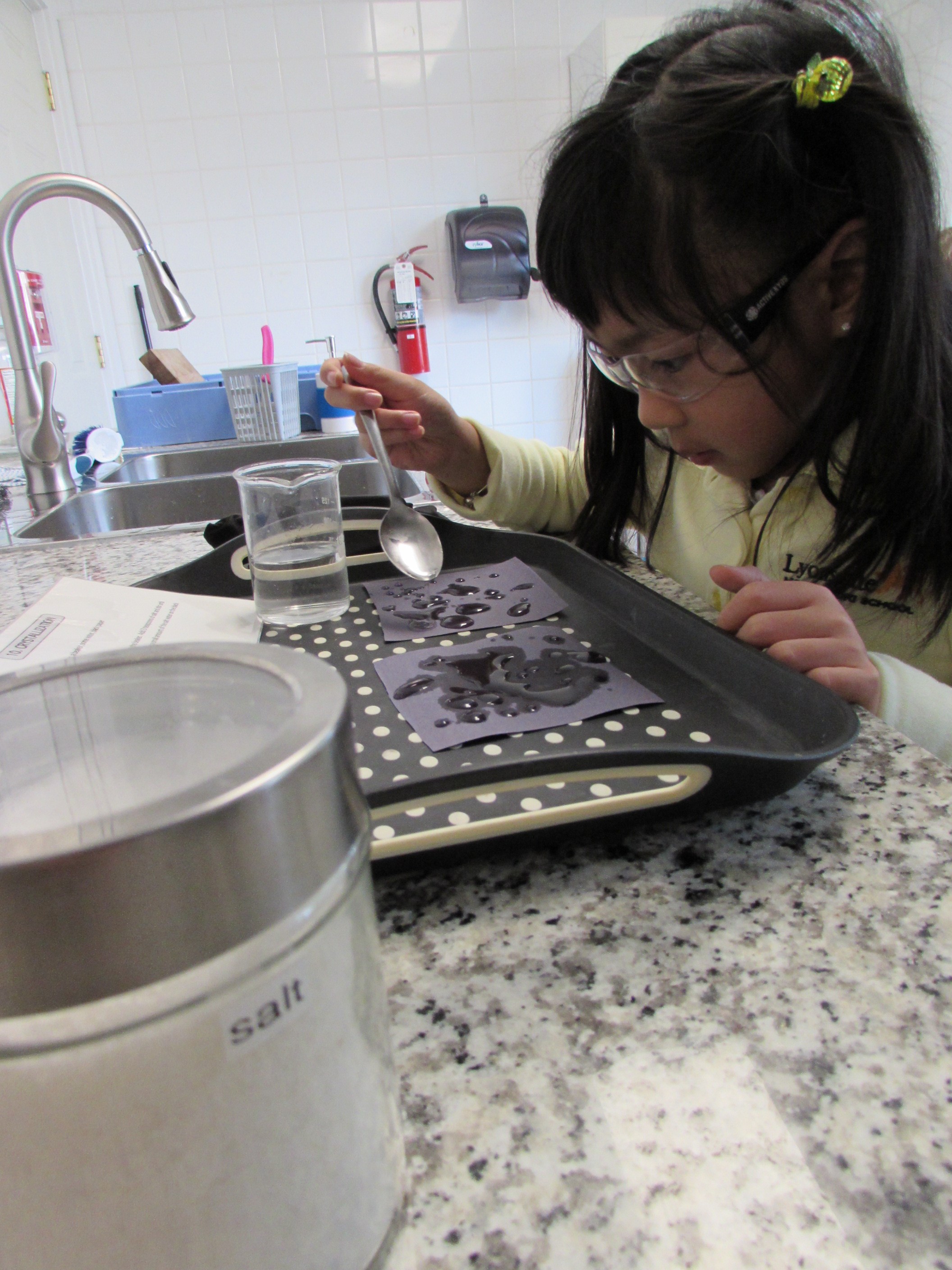
As we conclude the first full week of school, the Elementary students are settling into the rhythm of the daily work cycle and developing partnerships with their peers. The Montessori Grammar Boxes and Chequerboards have re-appeared, paintings and calligraphy samples are laid out to dry, and there are student-made kale chips at snack. The youngest students have begun an exploration of volcanoes in follow-up to the Montessori Story of the Creation of Universe, and have received the Second Great Lesson: The Coming of Life.
This week, as we hiked a small section of the Bruce Trail (its full length extends 895 kms from Queenston to Tobermory), younger students learned about the trail system, found creeks and waterfalls, and used their keen eyes and ears to spot and hear wildlife, from squirrels and a variety of birds to a large spider hanging above the trail building a web, and older students heard the history of the Niagara Escarpment and imagined what life was like here 450 million years ago when our area was a warm, shallow sea filled with coral and ancient creatures, and observed spiders, garter snakes, and giant stick bugs, followed trail blazes, and learned about the formation of sedimentary rocks. Despite the heat, the Upper Elementary students were also determined to climb the 289 steps up the escarpment to the lookout at Cliffview Falls! Round-trip, their little legs covered nearly 5 kms, but they returned with smiles on their faces, full of enthusiasm, pride, and stories to share.
NOTE: there is an addition to the Lyonsgate Elementary outing schedule. On Wednesday, Sept. 18, we will begin our day with an hour of yoga instruction at the Primary (Aberdeen) campus. Students can be dropped off at either campus; we will depart the Elementary (Locke) campus at 8:50 sharp to travel to Primary. Students are asked to wear yoga appropriate clothing and to bring a yoga mat if you have one. Our yoga session will be led by Lyonsgate Montessori Mom Lauren Speziale.
Handbook Highlight
This week, we'd like to draw your attention to the "Immunizations" section of your Lyonsgate Parent Handbook (p.94 in the embedded viewer).
Most parents are not aware that each time your child receives an immunization you are required to report it to Hamilton Public Health. This section of the handbook covers how to do that. You will also find information about required immunizations; religious, conscience, and medical objections to/exemptions from immunizations; and links to Hamilton Public Health immunization information.
Families of new children just starting school, or families who may have recently moved to Hamilton, or who have never done so before, are asked to pick up an "Immunization History for Licensed Child Care Centre" form from the Lyonsgate office, complete it, and return it to us so that we can submit them, as required, to Hamilton Public Health. You can find your child's immunization history on the yellow cards we all receive, and then promptly misplace. You can now register for an online immunization record with Public Health so that you can lose the yellow card and not worry about it.
If immunization records are not up to date with Public Health we will receive a suspension notice from them asking us to suspend your child from school until immunizations are up to date. In most of these cases, updating administered immunizations with Hamilton Public Health is all that is required.
Coming Up
We have a quiet week in terms of events next week, but here are a few upcoming things to keep in mind. Don't forget to check your Lyonsgate Calendar regularly:
- Casa Parent Education, Thursday, Sept. 26, 4:00-5:00 p.m.
- PD Days for Rosh Hashanah:
- On Monday, Sept. 30, both Lyonsgate campuses will be closed.
- On Tuesday, Oct. 1, the Primary (Aberdeen) campus will be closed. Elementary will be open.
- Casa and Toddler Field Trip: Wednesday, Oct. 9. See your Sept. 9 "RBG Field Trip" email for details; pertinent info is on your Lyonsgate Calendar.
Lyonsgate Weekly Update | Friday, Sept. 6, 2019
One week down, 45 more to go (minus a few for the winter and March breaks). We have some new Casa children still to join us, and we hope everyone had a great first week — both children, and moms and dads that had to say goodbye to tearful tiny people. Your hearts are not permanently broken, and children will be used to their new routines and excited to see their friends at school in no time.
This is your first weekly update of the school year. Every Friday, we post an update to the website. You will find it in the "Updates & Announcements" section under the "Parents" tab. We will also send you an email digest containing any important dates or events to remember and a link to the full update post.
Be sure to read the full website post because it will contain updates from your children's Montessori guides and assistants, as well as photos of your children in their Montessori environments. We'll start taking photos in the next week or two once children are feeling settled and comfortable.
Keep a close eye on the "Coming Up" section at the end of each update. This week it highlights two parent education events coming up next week:
- Montessori 101: An introduction to Montessori education for parents of new Toddler and Casa children. It will take place at the Primary (Aberdeen) campus and will be hosted by Lyonsgate principal Rachel Lyons. We hope to see all new Toddler and Casa parents there on Thursday, Sept. 12, from 9:00-9:45 a.m.
- Second Plane Parent Education: Our Elementary Montessori guides will discuss the Second Plane of childhood development and what you can expect from your changing child. We'd love to see all parents of new Elementary students and all parents of 3rd year Casa children at the Lyonsgate Elementary campus, at 248 Locke St. S., on Thursday, Sept. 12, from 3:30-4:15 p.m. This parent education session will be hosted by Montessori Elementary guide Marissa Achong.
Toddler
Welcome to the first week Montessori Toddler at Lyonsgate. There were lots of tears, but also lots of comforting.
It is heartwarming to witness the returning older children in the classroom; they have been so empathetic towards the new children. More new Toddler children will arrive next week, so the harmonies during the morning will increase dramatically. It is important for parents to remember to drop children off with teachers in the cloakroom area and to give a quick goodbye. We know it is hard to do, but it is the best thing to do for your child and will allow them to adjust to the daily school routine more quickly.
As children are adjusting, they may choose to eat a few bites of their food and drink very little of their water. It is important to encourage them to eat a full breakfast in the morning so that they don't become too hungry during the school day. Snacks for after school when you've picked up are a good idea too.
Don't forget to register on Seesaw for updates from the Toddlers!
All of the Toddler staff are very much looking forward to this school year and all of the new faces, friends, and memories we will make together. Working together as a staff, as a community with the children, and as partners with parents, we can make it through these first few weeks of change in children's lives, and in yours. Know that you can have faith in your children; they are fine, and they will continue to grow and change and develop, and we are taking great, compassionate care of them. Don't forget to breathe, relax your shoulders, and show them your brave, calm face, and give them the biggest hugs ever when you pick them up every day.
Miss Dee
Casa South
Welcome back to Casa South! What a great first week back, we missed you all! We hope everyone had a great summer! It was so wonderful to watch the returning children fall back into their routines, friendships, and favourite activities. We welcomed four new friends from Toddler with open arms; it is such a delight watching the second and third year children helping our new friends learn the ropes. Lots of presentations were had (with more in store). We can't wait to see what the year has to offer!
Miss Moffatt
Casa North
Hello Casa North Families!
Wow! What a start to the year. It never ceases to amaze me that the first day of school can be so beautiful, so purposeful, and so quiet! The returning students fell right back into their regular routine — it was evident that they had missed their Montessori environment and were eager to reconnect with the materials they had been missing. A few refreshers about the order of the day and they were well on their way to fostering a happy and functioning classroom.
Last year's Toddler graduates moved up seamlessly and were thrilled to enter their roles as first-year Casa students. I was constantly moved this week by the peer leadership and empathy that our new third-year students showed to the younger ones.
We are looking forward to having a few brand new children join our community next week; by next Friday our group will be complete. Thank you for your patience and support of Casa North, and for encouraging each and every child to start their day independently (right from the front door!). We are looking forward to a great 2019-2020 school year.
With warmth and excitement,
Miss Boyle
Elementary
The first week of school is always packed with other "firsts," even for those students returning to Elementary. It may be the first time coming to class without a favourite friend, or bravely setting off in the morning to walk to school on your own. It is a new class dynamic with a shifting social structure as children age, friendships change, and new students (and guides) enter the mix. Despite the new challenges facing them, each student rose to the occasion this week and has begun to settle into the rhythm of school.
We played icebreakers, sang songs, listened to the class read-aloud "The Mouse and the Motorcycle," and all together received the classic Montessori First Great Lesson of the Creation of the Universe.
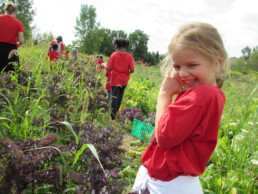
We ended our week happily exploring the fields of Plan B Organic Farm, tasting the produce as we harvested, and returning to school full of joy. Check Seesaw for photos of our day.
Thank you for sharing your children with us and growing our school community. We are excited for the adventure to continue next week!
With love from the Elementary campus,
Marissa, Michelle, Mme. Egan, and Jason.
Handbook Highlight
Every now and then, we will highlight a section from the Parent Handbook for you. This week, we're highlighting the "Disease and Illness" section starting on page 95 [p. 97 in the embedded viewer]. This section outlines requirements from both the Ministry of Education and Hamilton Public Health regarding children's illness, and includes a table from Public Health that provides guidelines on when children must remain absent from school, and for how long, depending on their illness.
Now that children are together at school each day, they are going to get sick. We know that having to leave work to pick up sick children and having to miss work to stay home with sick children can be difficult. If we all work together to manage illnesses in the school we can all have a healthier, happier school year.
Thank you.
Coming Up
Keep an eye on the Lyonsgate calendar for upcoming and updated information about what's going on at Lyonsgate Montessori School.
- Thursday, Sept. 12, 9:00-9:45 a.m.: Montessori 101. This is a Montessori Orientation event for parents of new Toddler and Casa children. It will take place at the Primary (Aberdeen) campus and will be hosted by Lyonsgate principal Rachel Lyons.
- Thursday, Sept. 12, 3:30-4:15 p.m.: Second Plane Parent Education. This parent education session is for parents of new Elementary parents, and for all 3rd year Casa families. It will take place at the Lyonsgate Elementary campus at 248 Locke St. S. and will be hosted by Montessori Elementary guide Marissa Achong. Elementary children not registered for after or extended care will be accompanied in the Elementary backyard.

Welcome to the 2019.2020 Lyonsgate Montessori School Year

Welcome
We are very excited to welcome all of our students, those new and those returning, to Lyonsgate Montessori School for the 2019.2020 school year. Here's what you need to know:
Start Dates:
Tuesday, September 3, is the first day of school for:
- Returning Toddler students, and Toddlers that have older siblings at Lyonsgate.
- Returning 2nd and 3rd year Casa students.
- All Elementary students.
Thursday, September 5, is the first day of school for:
- Students that were in Lyonsgate Toddler last year and are moving into Casa this year.
Monday, September 9 — Wednesday, September 11:
- Staggered start dates for students new to Lyonsgate Casa and Toddler. If you are unsure of your child's start date, please contact admin@lyonsgate.ca.
Smooth Transitions
There will be tears. In order to make your children's transition to school as smooth as possible, please follow these guidelines:
- Casa families, right from the first day, please say goodbye to children at the entrance door and allow them to enter the school independently. Do not accompany children upstairs.
If children have extra stuff the first week, extra staff will be on hand to help carry it, and of course to escort and comfort tearful children.
Establishing a consistent routine will make the transition period much easier for your children.
- Toddler families, please accompany your child to the Toddler cloak area where they will be greeted and assisted in getting ready to enter the classroom. A quick hug and kiss, reassurance that you will see them later in the day, and a definitive departure will help your child adjust to their new school routine more than you can imagine.
Dropping our young children off at school is one of the most difficult things we do as parents. Please be assured that years of experience have taught us that prolonged goodbyes and an extra..., or a just this time, truly makes the adjustment more difficult for children.
Pick-Up
At the end of the day, please do not leave with your child before they say goodbye and shake the hand of their classroom teacher on the playground. For your child's safety, we record departure times.
Casa parents, if you have questions about your child's day or information to share, please come into the school before you go to the playground. The Lyonsgate staff supervising the playground must keep their attention focused on the children. Thank you.
Before, After, and Extended Care
We recently sent out a link to register for Before School Care, After School Care, and Extended Care. If you still need to register for Before School Care (8:00-8:30) | After School Care (Elementary and Toddler only, 3:30-4:30) | or Extended Care (Casa and Elementary only, 4:30-5:00), please click here.
All extra care takes place at the Primary (Aberdeen) campus.
Addressing and Contacting Staff
Children at Lyonsgate address the staff as follows:
Toddler Staff:
Ms. Dee
Mr. Davis
Mademoiselle Noordham
The Toddler staff can be contacted at toddler@lyonsgate.ca.
Casa North Staff:
Ms. Boyle
Ms. Sullivan
Monsieur Bouquin
Casa North can be contacted at casanorth@lyonsgate.ca.
Casa South Staff:
Ms. Moffatt
Ms. Kamongue
Mademoiselle Paul
Casa South can be contacted at casasouth@lyonsgate.ca.
[Note: the Casa and Toddler email addresses are different than last year, but your old contacts will still work]
Elementary Staff:
Marissa [marissa@lyonsgate.ca]
Michelle [michelle@lyonsgate.ca]
Madame Egan [janice@lyonsgate.ca]
Administration Staff:
Mrs. Lyons [rachel@lyonsgate.ca]
Mrs. Kennedy [admin@lyonsgate.ca]
Ms. Mattar [admin@lyonsgate.ca]
Jason (Elementary administration) [jason@lyonsgate.ca]
Seesaw
Each classroom at Lyonsgate Montessori uses Seesaw to share photos and videos of your children. Look for an email from your child's teachers soon about how to sign up and join this year's Seesaw classes.
Seesaw is a private system and we ask that families do not share photos or videos to personal social media accounts.
Lyonsgate Website
Our website is lyonsgate.ca.
Although it looks and functions the same as last year, we have made some upgrades that make it more secure and that will allow us to make it a better resource for you. Under the "Parents" tab you will now find:
- An online Lyonsgate calendar. This calendar will be updated throughout the year and is your go-to source for what's happening, and when, at Lyonsgate Montessori School.
- The Lyonsgate Parent Handbook. The Parent Handbook contains everything you need to know during your child's time at Lyonsgate Montessori School. You can view it on the website in an embedded PDF viewer for easy navigation. The "Table of Contents" is hyperlinked so you can jump straight to the section you need.
Lyonsgate Weekly Update | June 28, 2019
Hello Lyonsgate Montessori Families,
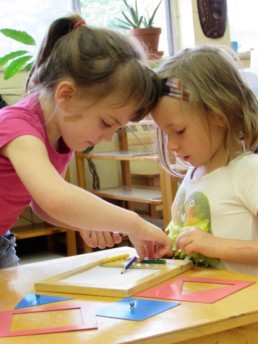
I want to thank you for reading along all year. My hope is that these weekly updates have helped keep you informed about what's going on at Lyonsgate Montessori School, and offered you glimpses inside your children's Montessori environments.
It's been a true pleasure getting to know your children this year. I think you have made an excellent choice in choosing Montessori education for your children. My own children attended Montessori and I have seen many Montessori schools in action. Rest assured that Lyonsgate does Montessori right, and very well. Also, know that we don't rest on our laurels; Lyonsgate staff was back at school preparing for next year the day after the year-end concert and graduation.
Once things are in place we'll be joining your children in a much deserved summer break, and will be back to school mid-August, refreshed and revitalized, getting ready to welcome your returning children to the next stage of their developmental journey, as well as children new to both Lyonsgate and Montessori at all levels. Lyonsgate continues to grow and develop right alongside your children.
Have an amazing summer together; make memories, plan to have no plan every now and then, get dirty, explore the woods, swim, build, grow, pick, eat, drink, laugh, smile, make other people laugh and smile, do something scary, get up and then go back to bed, invite everyone over for an impromptu BBQ, ride a bike, or learn to ride a bike, go to a festival, ride a bike to a festival, read a book, then read another book, climb some trees, buy fruits and vegetables from a local farmer, slide on waterslides, make a backyard waterslide, make a rope-swing, build a big campfire, go camping, teach the kids to mow the lawn, call in sick cuz it's a nice day, play outside in the pouring rain, play board games, build a model, start a puzzle, finish it if you want, or don't, whatever, it's summer and you and your kids deserve to relax and not care and enjoy each other's company, and we'll hear all about it in September. — Jason.

The Last Week:

Toddler:
Thank you all for an amazing year. I have enjoyed getting to know each and every one of you. Thank you for entrusting us with your children! I appreciate every attempt and success made in speaking to me in French or trying to figure out what I am saying. It's a wonder to see the understanding the children now have of the French language, and the parents' as well. I wish you all a warm and adventurous summer. — Mlle. Noordham
To the wonderful parents of Toddler Class 2019.
Thank you for allowing me to be a part of your children's lives for this year. I have had the privilege of watching many of your children go from starting confused and overwhelmed in the classroom to seeing them stepping up and showing their classmates how to take care of their environment and each other. I met children that sometimes had only a few words to use that can now have full conversations with me, and I have loved getting to know them in the process. I know that they have so much more growing to do, and I feel reassured to know that they will have your love and support while they do it.
Thanks for a great year,
Emily Colbert
It is hard to believe that we have reached the end of the school year! I have watched the Toddlers develop their unique potential through their constructive power, and witnessed incredible milestones involving language, motor skills, and toilet learning. They have developed into leaders, attained challenging work that pushes for concentration and critical thinking, and developed their resilience through various changes ranging from new students to unpredictable snow days.
The Toddlers have displayed positive socialization on various occasions — they moved from the natural state of egocentrism to an altruistic state. Empathy was displayed daily — they made it their duty to ask a sensitive child if they are okay, reassured them that they will be, and proceeded to bring their concern to an adult’s attention. The end of the school year has fortuitously transformed some of the works in the classroom to duo or group work in order to fulfill their need for socialization. One of my favourite memories was listening to a child create a song about washing dishes and happily expressing, “We’re washing dishes!”
An explosion of language occurred amongst the younger Toddlers — by the end of the school year they began forming four to five word sentences and were able to actively participate in conversations with their older peers. The Toddlers’ understanding of French has been incredible to witness — they have carried lengthy conversations with Mlle. Noordam and have even translated some of her conversations.
The Toddlers took pride in baking independently and sharing it with some of the staff at the school. There were many moments where we were able to sit and observe them in awe — they had reached a level of independence where they worked as if the adults were not around.
The end of the school year is marked by changes of course — we have a large group of children moving on to Casa and the three children from January will become second year students in the fall. This time of the year proves to be bittersweet — I am proud to see the Toddler’s transition to Casa but will miss the piece of the puzzle they represent in our little community. Nevertheless, I have wonderful memories created by each child, individually upon which I will reflect for the upcoming year, and really throughout the course of my professional life.
I want to thank you all for entrusting your children to our care. I know those precious hours away from them can be difficult, and I am beyond thankful to have been a witness to their developmental milestones. The children have expressed their excitement about summer break — these extra weeks will give you the opportunity to be spectators to their developmental milestones and adjust the home environment to fulfill their current needs.
I will be thinking of them, truly, and will cherish the footprints they have left in my heart. It has been my greatest privilege to watch their personalities unfold. Thank you all for an astounding year, these beautiful children, and wonderful memories.
Cheers to an adventurous summer! — Ms. Dee


Casa

Casa South: I can't believe another school year is complete! I am so proud of all the hard work done by the students in Casa South!
It was so exciting to see children tie their own shoes for the first time, or read their first word... and even the simple moments, such as pouring water into a glass without spilling! Everyone grew, everyone learned.
I also want to extend a huge thank you to all of the Casa South parents! Thank you for attending Parent Education Nights, for bringing your children on time (most of the time!), and for being a part of our Lyonsgate Montessori community.
I wish everyone a very happy, healthy, and fun summer. I hope it is full of lots of time with family and friends. For those of you moving on to new schools and to our Elementary school, I wish you all the best (I will miss you!)
Lots of Love, Miss Moffatt.


Casa North: Wow, I can't believe the end of our year has arrived. This time of year is always filled with reflection for me — thinking about how far each child has come is all the inspiration we need as Montessorians to stay true to what we are doing. I want to extend a heartfelt thank you for sharing your little ones with us. Whether it be providing flowers, attending parent education evenings, joining your child in the classroom for a Show and Share, or coming in for an observation, your support of the school does not go unnoticed.
From tears and hugs in September to happily skipping up the stairs, the children have progressed in countless ways. I'm sure you see many changes at home, but please know that your child is also a contributing member of a functioning, independent, and beautiful community in Casa North.
Thank you for all that you do. Have a safe and fun summer. For those of you moving on, thank you and good luck! For those returning, we will see you in September for another great year! — Ms. Boyle


Elementary:

The final weeks and days of school pass by far too quickly, with the classroom humming with busy students, final projects, looming deadlines, and the excitement of sleepovers, canoe trips, and the year-end play.
It is a bittersweet time for guides in the Montessori environment as the students increasingly separate from the adults, supporting each other and showing greater individual grit and determination to succeed. It is wonderful to see each child's growth and development throughout the school year, yet we also know that the child we say goodbye to in June will not reappear in the fall. They will have grown and changed again after a summer full of new experiences and adventures.
Our Montessori students thrive not only because of the wonderful environment you have chosen for them, but because of your on-going support and participation in their life and school. You have kept on top of important dates, reminded your child to have the appropriate clothing and tools, and, most of all, known when to stop helping. You have joined us for parent education evenings, show and share events, concerts, project presentations, community outings, and more. It is because of your efforts and wonderful children that our little community is flourishing, and for that we are very grateful.
Thank you so much for sharing your amazing little humans with us. It has been our privilege to guide each of them as they travel their own paths. Have a wonderful summer together.


Coming Up:
SUMMER VACATION!

Lyonsgate Weekly Update | June 13, 2019
Hello Lyonsgate Montessori Families,
Next week is the last week of school! These last few weeks of the school year always seem to sneak up on us more quickly than a toddler can dismantle a tidy house. Your children are very busy finishing up work and seeking out last-minute presentations, and your children's Montessori guides are busy preparing final reports and making sure everyone is ready for next year, and for a well-deserved summer break.
Your children's Montessori guides have also been busy preparing for your Parent-Teacher conferences, so we don't have individual classroom updates this week. Instead, you each get a personal update, live and in person. We'll see most of you on Friday, June 14. Remember, there is no school on Parent-Teacher conference Friday, but childcare is available at the school during your conference timeslot.
Concert and Graduation Info: Please join us on Thursday, June 20, for our year-end concert and graduation ceremony. Please plan to arrive at the Primary (Aberdeen) campus between 2:15-2:25 and proceed straight to the Sanctuary (auditorium) downstairs. The show will begin promptly at 2:30 and will run until approximately 3:30.
Please Note: There is no After School or Extended Care on Thursday, June 20. This is our last (sort of) full school day for the 2018.2019 school year. The next day...
Friday, June 21, is a PD Day, but we will meet you all at the Dundas Driving Park (71 Cross St., Dundas) at 3:30 for our annual year-end super fantastic picnic of fun. Be sure to pack a water bottle, and a bathing suit and towel as there is a great splash pad.
We have reserved Kitchenette 1.
The picnic will be pot luck, and this year we are asking everyone to please Bring Your Own Water Bottle to help alleviate the plastic in the land fills. Thank you.
Last week, you should have received an email notification for access to an online sign-up sheet for picnic items, or you can click here to sign up. Thank you.
Lyonsgate Weekly Update | June 7, 2019
Hello Lyonsgate Montessori Families,
Remember, Lyonsgate will be closed on Friday, June 14, for year-end parent-teacher conferences. There are still a few time slots available in some classes for after school conferences during the week leading up to Friday.
Childcare will be available during your conference time.
Conferences are 20 minutes in length and take place in your child's Montessori classroom. Please be on time and do not stay beyond your scheduled time slot so that we can keep everybody on schedule. Thank you.
Please click here and select your child's class to schedule your parent-teacher conference.
This week, your children's Montessori guides have some tips for the summer months, including second language tips from the Casa French assistants. There's some great advice; be sure to read them all and use them as references throughout the summer months.
This Week:
Toddler:
We have some tips for how to make the summer months enjoyable for your toddler (and soon to be Casa, in some cases!) children, and how to set them up for a successful return to school in the fall:
- Take an inventory of the current toys at home to see what children have outgrown, and remove them. This helps prevent under-stimulation, which leads to the inevitable summer refrain of "I'm booooorrrrred!". Observe what children gravitate to organically and guide them to toys or tasks that reinforce their natural learning desires.
- Thankfully, the summer months are (usually) accommodating of the importance of outdoor time. Spending time outdoors, whether looking for bugs in the backyard, going on bike rides, hikes, or neighbourhood walks together, or camping in the woods, outdoor play is essential for children's development. Outdoor play helps children refine their sensorial skills — how we take in the information our world has to give us.
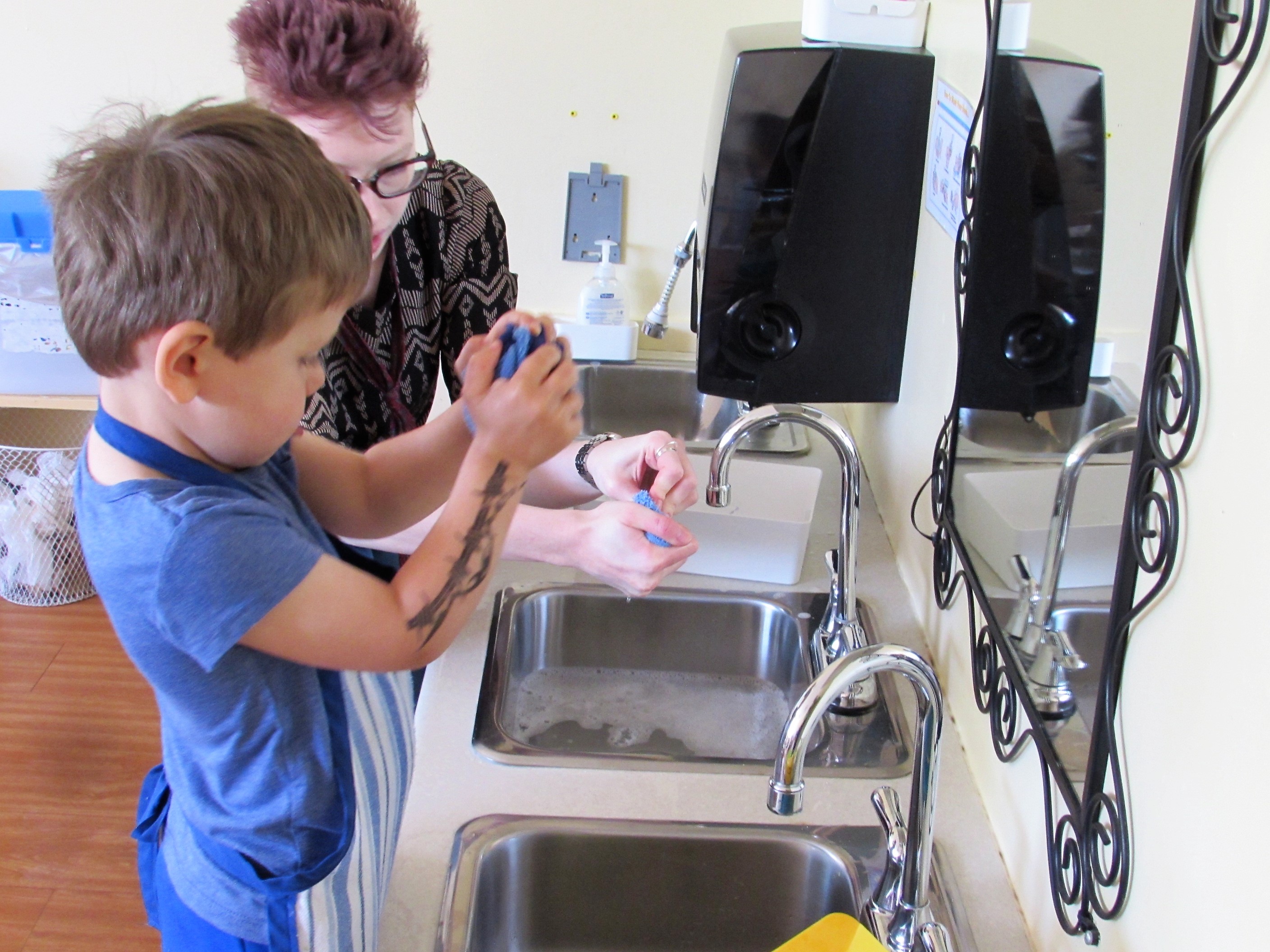
- Practical Life activities are also a great way to keep children engaged and on a good developmental path. Over the school year, you've seen pictures of toddler-age children performing tasks such as sweeping and mopping (with appropriate child-sized brooms and mops) and helping to prepare food. These activities are fun for children (they want to help clean up, whereas we adults have to) and support the development of coordination and motor skills, and logical sequencing
- You can also help children continue their language development by simply using clear, concise, correct language yourself. For example, say "train" instead of "choo choo" or "dog" instead of "pup pup," and use your regular voice instead of a kid voice. This helps children to learn correct vocabulary and allows them to hear the correct sounds that words and language are built from.
- Finally, and especially for toddler-aged children, consistency in toilet learning is essential. Please avoid reverting to diapers/pull-ups during the summer months. Your children are currently in a sensitive period for toilet learning. Reverting back to the old routine will cause them to regress (and children going to Casa in the fall need to be toilet trained).
Thank you. We know you will all have a fabulous summer vacation with yor children, just like we've had an amazing school year with them. If you have any questions about things to do over the summer, please bring them to your parent-teacher conferences next week! — Ms. Dee
Casa
Casa South: In the past few weeks in Casa South, there’s been a big presence of reading in French. Just like the English phonetic readers they work on with Ms. Moffatt, some of the children have started to work on the French ones as well — and if they haven’t reached reading them yet they certainly enjoy sitting to listen to their friends read with me.
Another great French activity is writing labels. The children love seeing that any work they’ve been shown in English can be done in French too! On the back of each classified card in the class are an English and a French label. I encourage them to explore further than seeing what’s on each card and see if they can write their own label for it (whichever language they choose — sometimes it’s both!).
Music is also a part of their learning experience. When I pick a song to teach them in my French group I have to make sure there are lots of gestures I can add and that it’s not too fast (it is their second language after all and it’s more fun when you know what you’re singing and are able to keep up). However, I also make time to play songs (Édith Piaf is a classic) explicitly to listen to and explore French culture.
With summer fast approaching, I welcome parents to include a little bit of French in even the most mundane activities. Listening to French audio books (or reading French books if you can) and songs is always nice for them. They hear me speak French all day at school so it’s great if they can continue to hear a little bit. Another awesome way to incorporate French is when you’re writing your grocery list; feel free to look up the French word for some of the fruits or vegetables (they’ll likely recognize those from the classroom). Lastly, I’ll leave you with a couple of links you might want to check out if you’re ever in the mood for a day trip to Toronto:
— Mlle. Paul
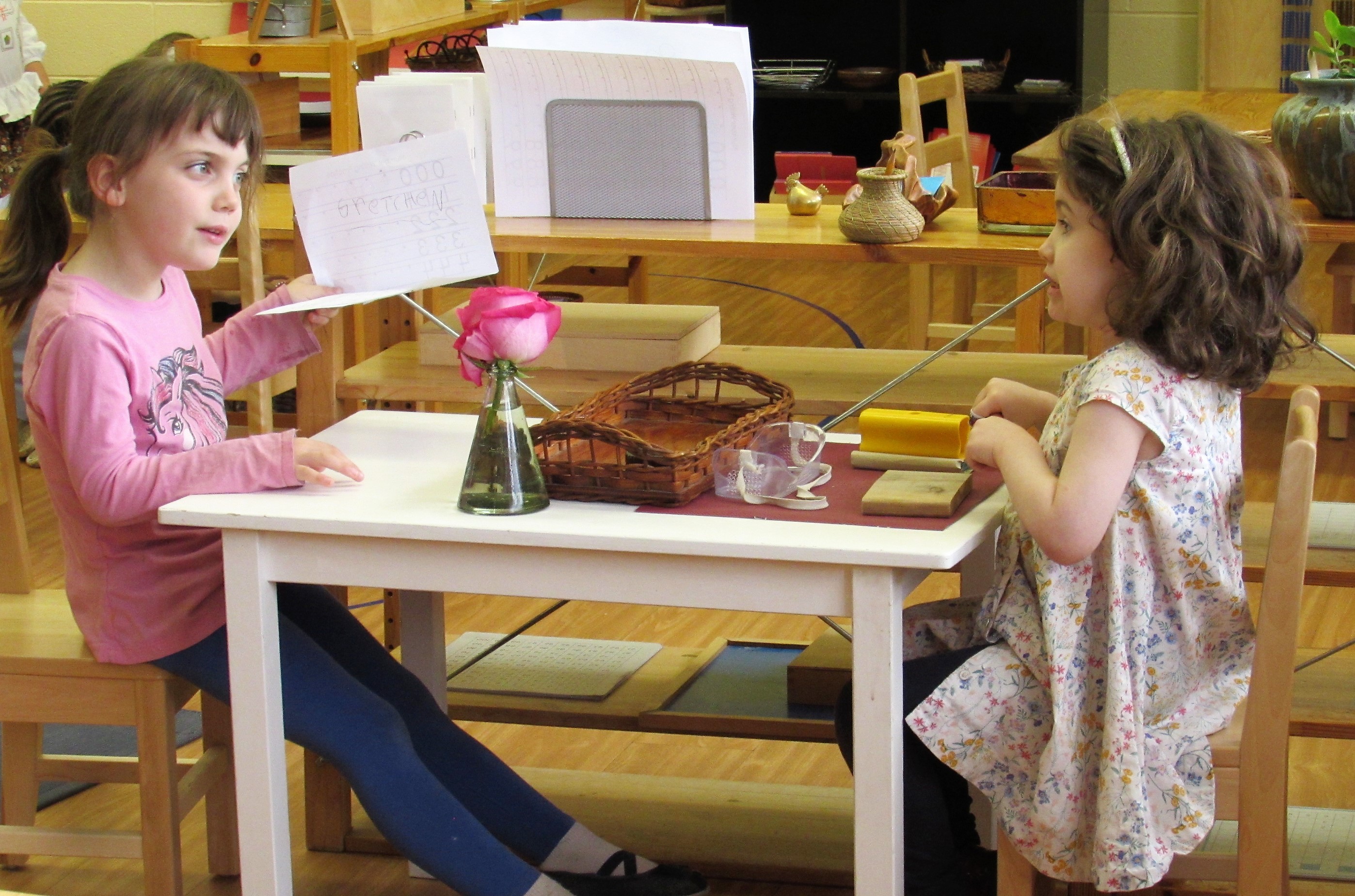
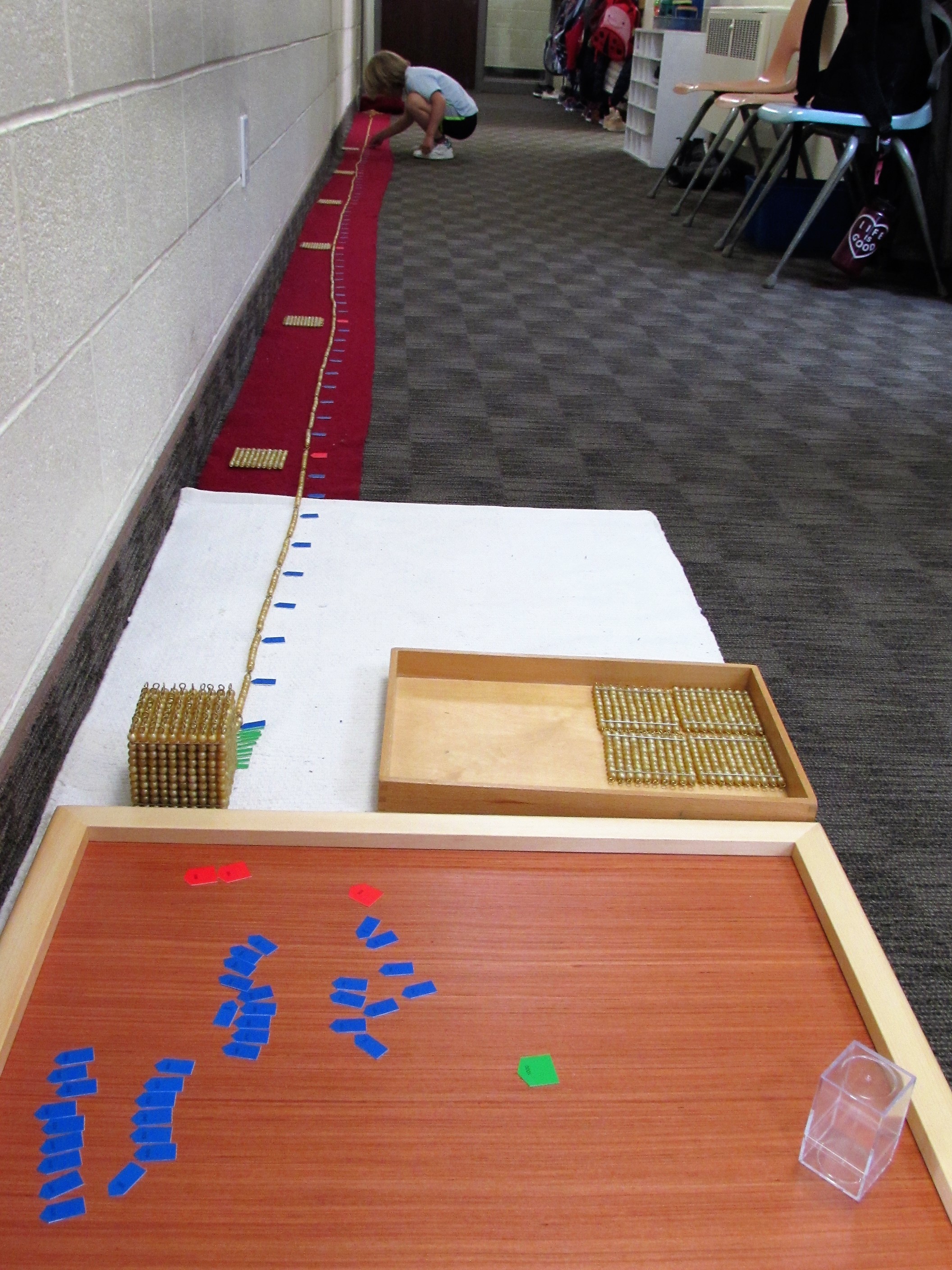
Casa North: It has been a great joy — “un grand plaisir” — to work with your children in French this past year. I am frequently in awe of how readily (and seemingly effortlessly) they absorb new vocabulary, and then repeat it back to me unprompted, at the most unexpected of times. (An inspired bit of bilingualism from a child helping clean up after lunch the other day: “Wow…there’s beaucoup de mess here, Mademoiselle Peat!”).
Seeing the building blocks of language-learning begin to lock into place is a sheer delight, and something that can be facilitated at home, too, over the coming summer months! A second language can become more accessible when delivered in the form of a song, and/or when accompanied by plenty of gestures — a central part of language-learning is muscle memory! Learning to associate sound and sense kinetically is both fun and constructive. Just a few of the songs that your children have learned with me: “Au clair de la lune,” “Une souris verte,” “Tête, épaule, genou, et pied” et “Coucou hibou.” Ask for a little demonstration: you may be surprised!
If you’re eager to foster bilingualism in your child, but high school French class feels like a distant memory, not to worry/“pas de soucis”! Simply demonstrating that you too are testing the waters — even with a simple “Bonjour” or “Au revoir” — suggests that language-learning is approachable, and worthwhile! They will absorb your curiosity, and your enjoyment. I have certainly absorbed theirs, and it has deepened my appreciation for the ways in which bilingualism cultivates connection.
Merci beaucoup, et à la prochaine! — Mlle. Peat
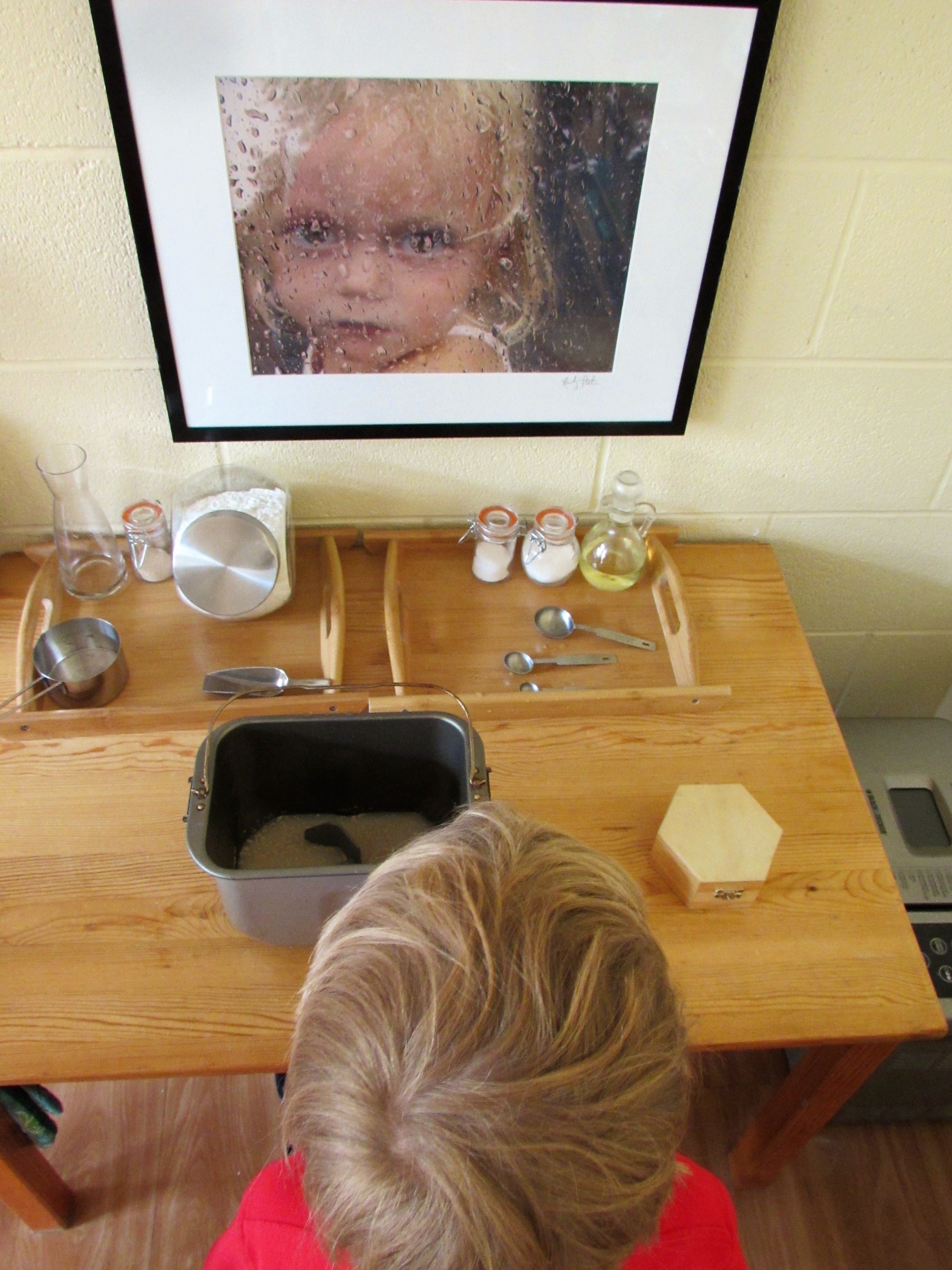
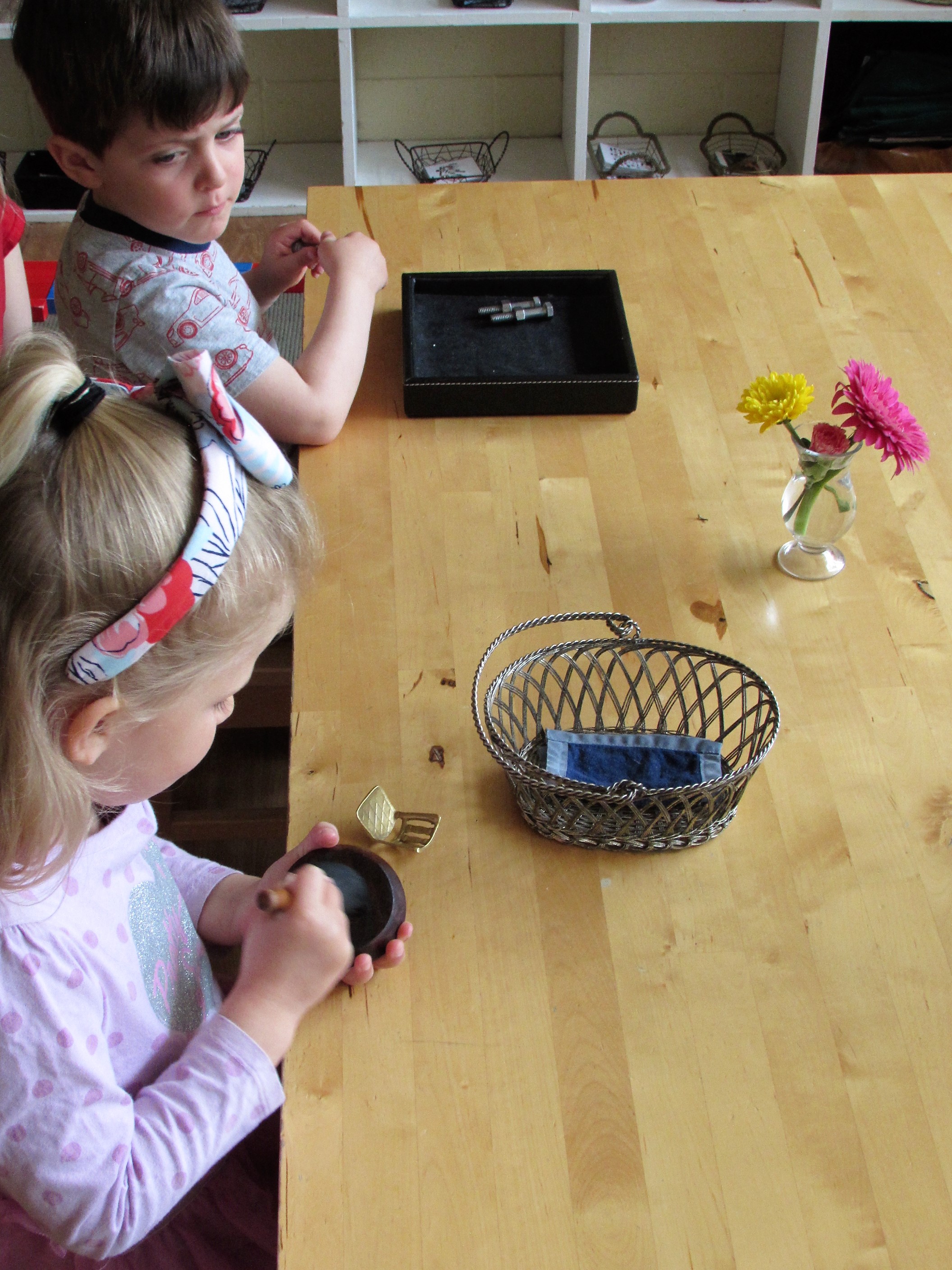
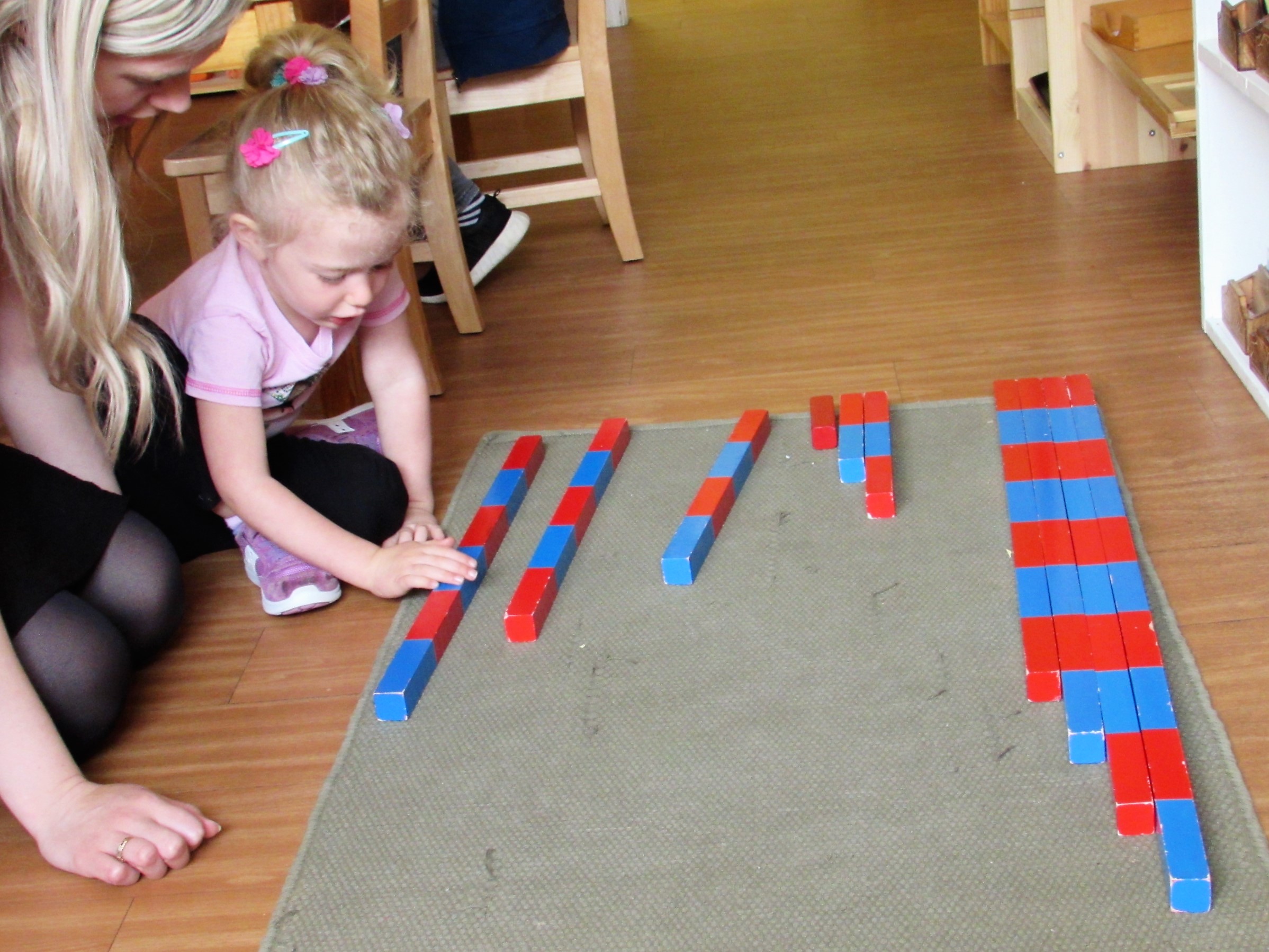
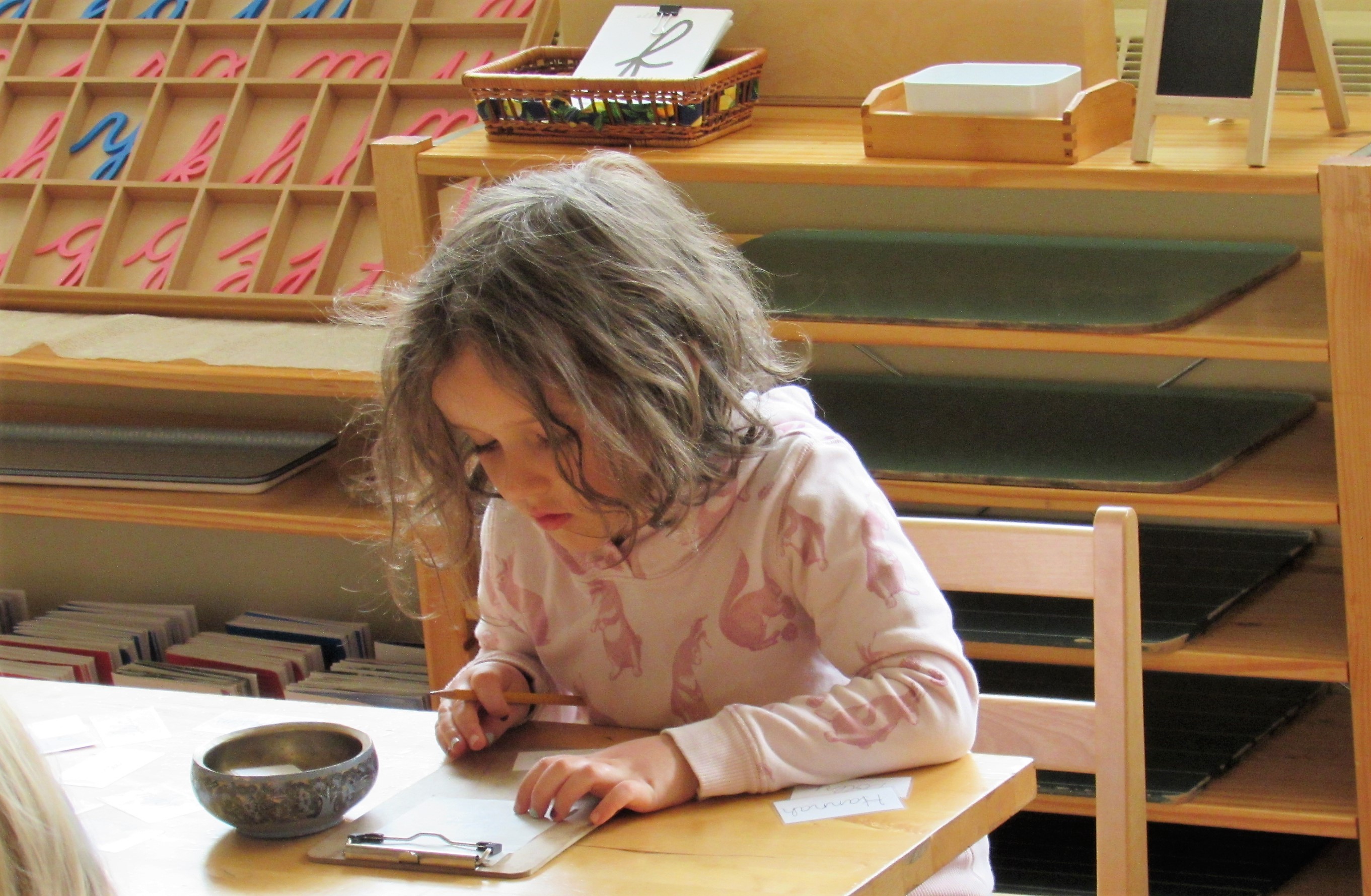
Elementary:
June is such a busy time in the classroom with students integrating new skills and knowledge gained through the year into their final projects, play production, and special events. Thank you, everyone, for joining us for the Parent Social to enjoy some time together in the classroom celebrating the Great Work accomplished by your students. The Parent Social is also an important exercise in Practical Life, with students learning how to show their gratitude to others by hosting people for an event. They work to prepare the environment (dusting and sweeping), the refreshments (juicing lemons, chopping veggies to make some guacamole, and whipping up a batch of no-bake squares — the coveted flapjacks), and practice the grace and courtesy rituals of seeing that their guests are happy, fed, and entertained.
Every year, right before the summer break, parents begin to see the articles warning of the summer slide, and the advertisements for STEM camps and curriculum workbooks and magical apps that will ensure your child doesn't forget what they have spent the school year learning. I would be concerned about the summer slide myself, if I thought for a moment that children stop learning once they leave the classroom, but I know that they don't. They are still the curious explorers they always were, but now it is your family and community that will be their guides.
Throughout the summer months, it is important to encourage children to not stop this work of Practical Life, but rather to continue to apply what they have learned. Invite your child to record the items you need from the grocery store on a list. Empower them to make healthy choices within a range of approved options on your list (e.g. "Should we buy strawberries or blueberries this week?" "Which do you think would be better for re-hydrating on a hot day: a freezie or an ice-cream sandwich?"). Keep some cash on hand so they can participate more fully in speaking to cashiers, conducting an exchange, and being responsible for getting change and a receipt. Heading off to camp? They can prep those lunch boxes with carrot or pepper sticks or slices of cheese, and make their own sandwich. Having children take on greater responsibility for themselves is not easier for the supervising adults; it is much harder to budget 40 minutes to prepare a snack rather than 10, to hold your breath as you watch them choose a gigantic knife for slicing tiny grapes... but this is the work of the parents — to make the time for learning and independence; to take the risk of standing back quietly and simply observing how wondrously able your little human has become.
So, this summer, hit the beach! And then let your kids do the sandy, wet towel and bathing suit laundry (even if it sits moulding on the floor for an extra day). Go to the amusement park and divide out some cash so they can budget for their own refreshments. Ask them to read you a story, not for reading practice, but for your entertainment. Put them in charge of taking photos and making journal entries to preserve the memories made on a family vacation. Put up your feet for an hour or two and declare them the adult for the afternoon, and have fun with the misadventures that may arise along the way!
I look forward to meeting with most of you over the next week at our parent-teacher conferences. Hopefully the summer weather is here to stay. Enjoy the weekend! — Marissa
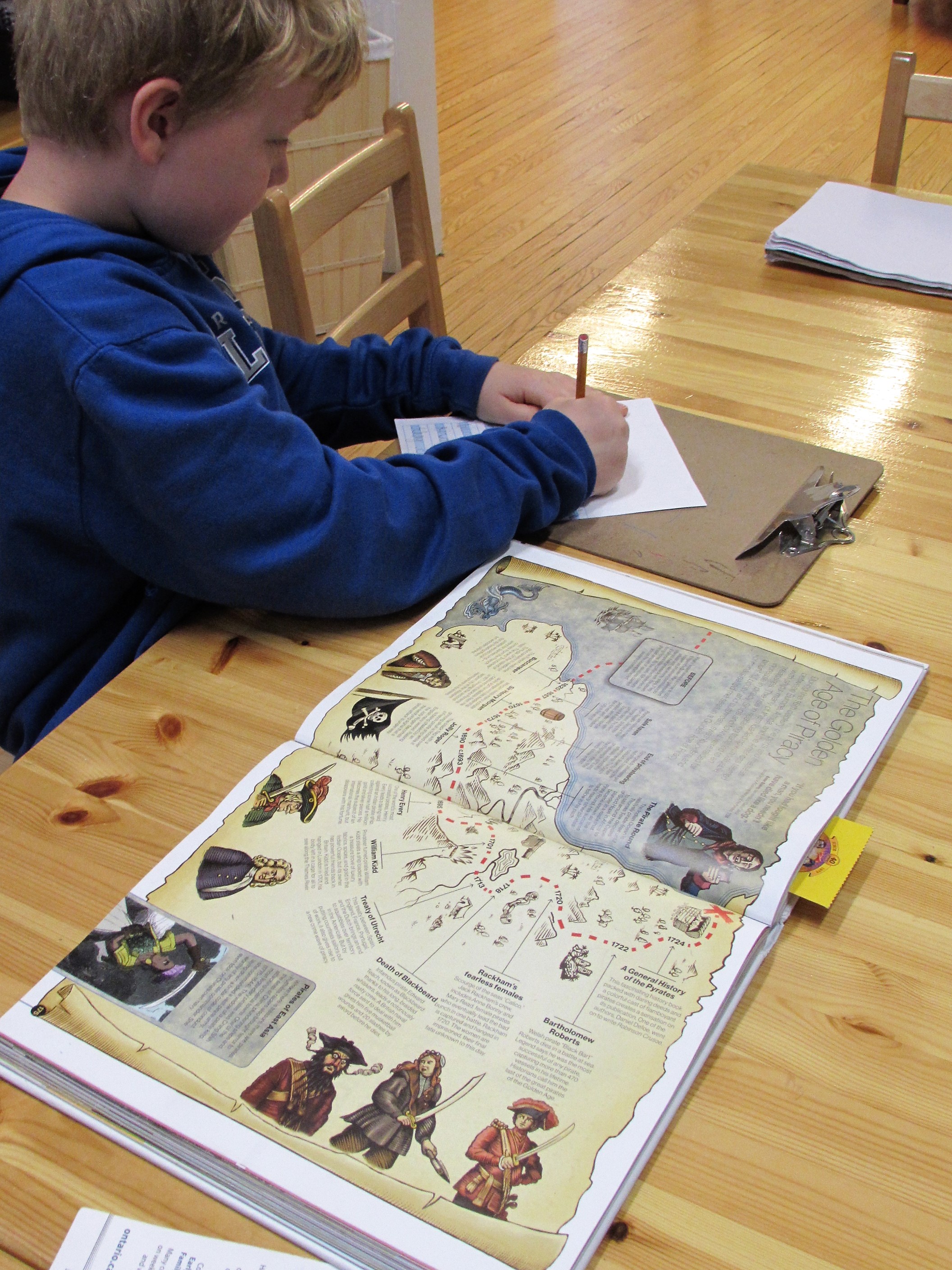
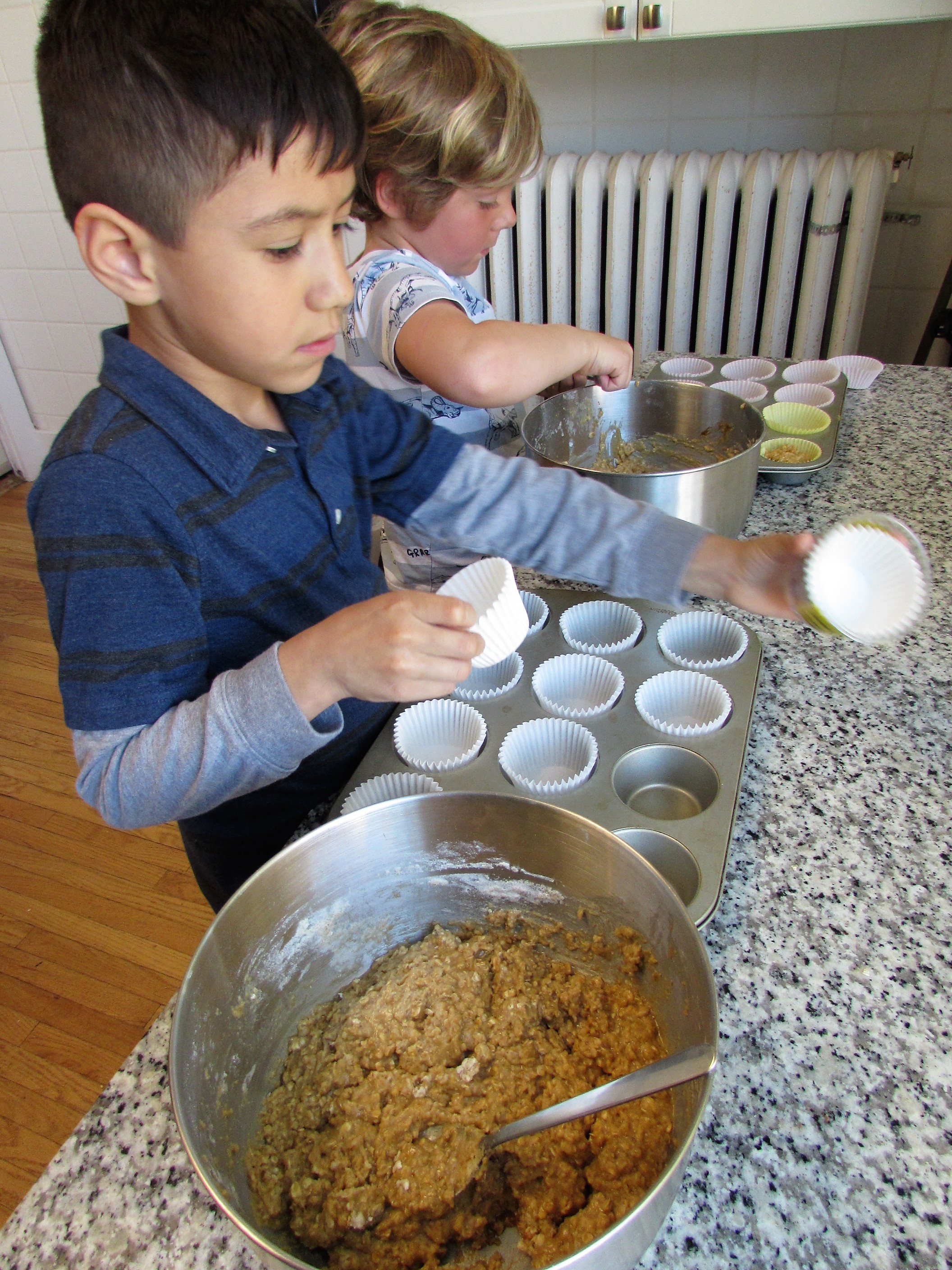
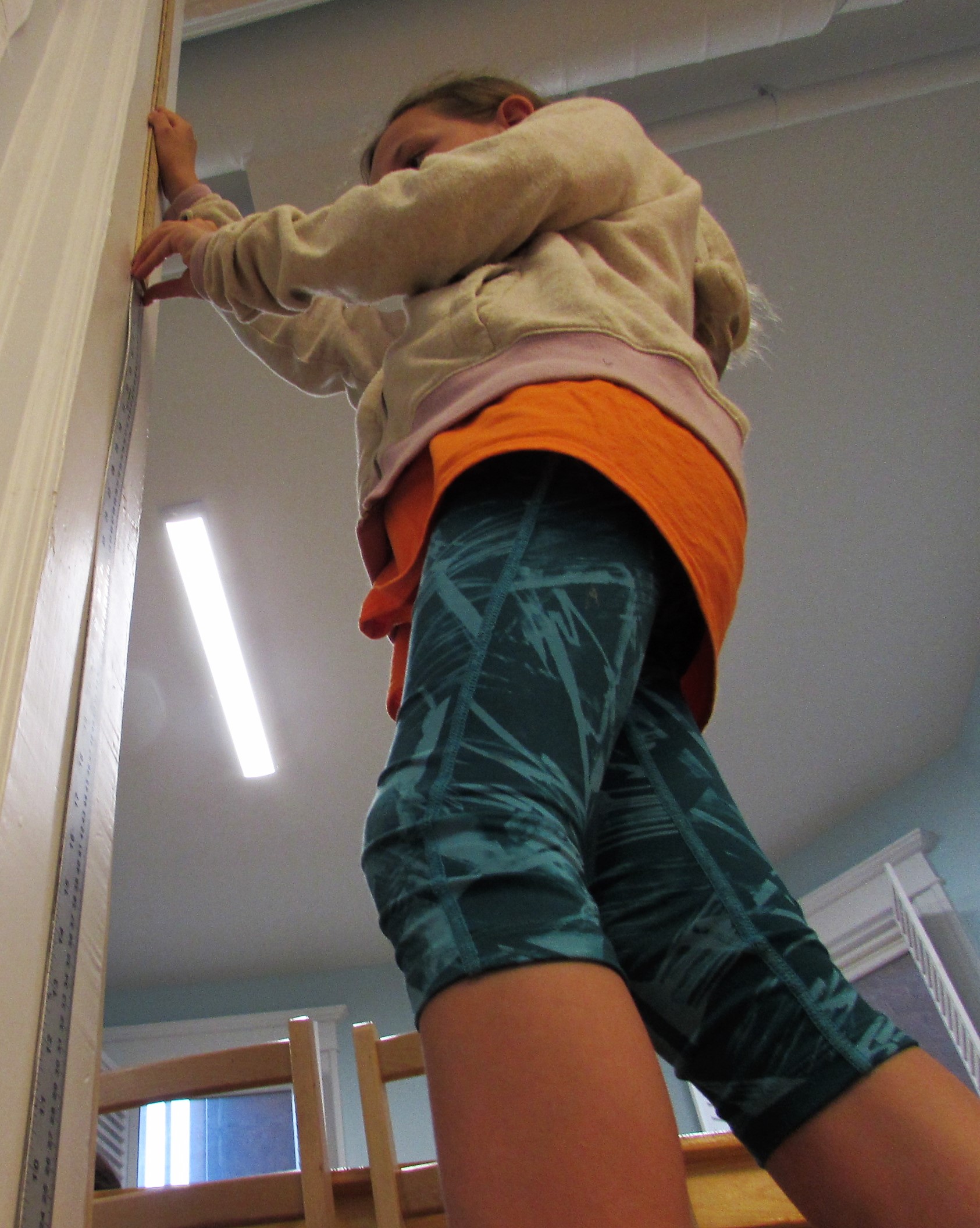
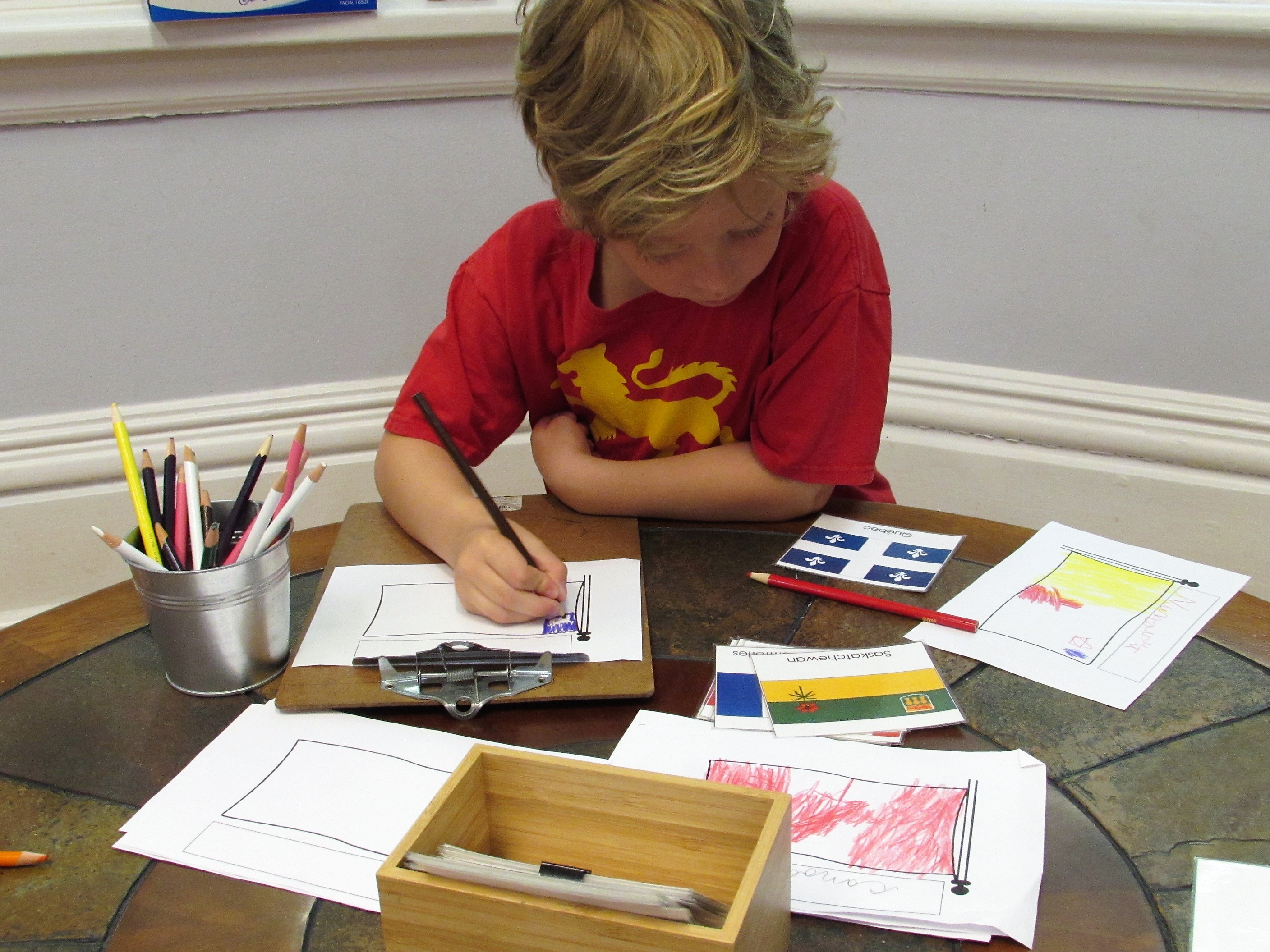
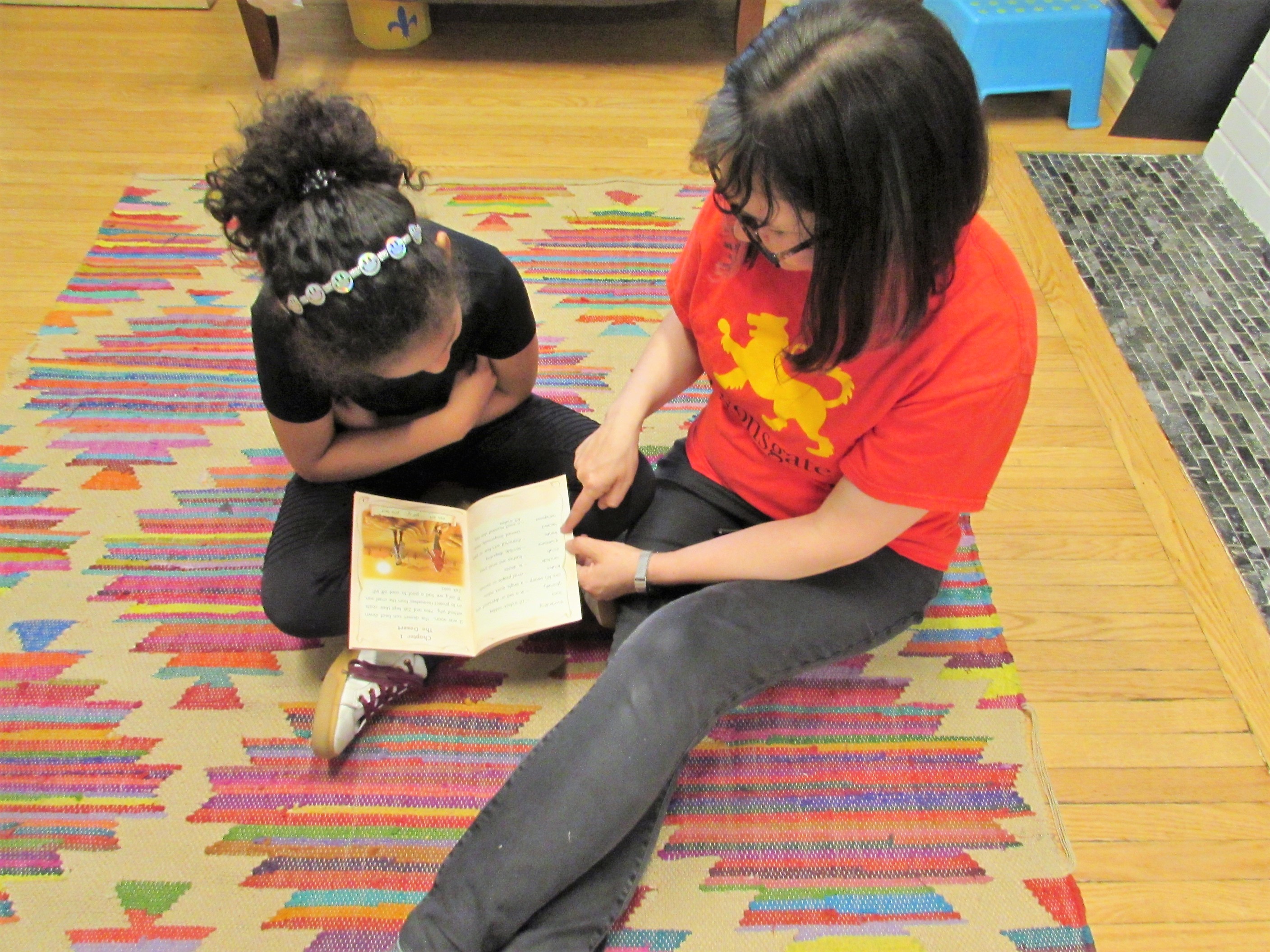
Coming Up:
Year-End Events:
-
- Concert/Graduation: Please join us on Thursday, June 20, for our year-end concert and graduation ceremony. Please plan to arrive at the Primary (Aberdeen) campus between 2:15-2:25 and proceed straight to the Sanctuary (auditorium) downstairs. The show will begin promptly at 2:30 and will run until approximately 3:30.
Please Note: There is no After School or Extended Care on Thursday, June 20. This is our last (sort of) full school day for the 2018.2019 school year. The next day...
- Friday, June 21, is a PD Day, but we will meet you all at the Dundas Driving Park (71 Cross St., Dundas, ON, L9H 2R5) at 3:30 for our annual year-end super fantastic picnic of fun. Be sure to pack bathing suit and towel as there is a great splash pad and water bottle. We have reserved Kitchenette 1.
The picnic will be pot luck, and this year we are asking everyone to please Bring Your Own Water Bottle to help alleviate the plastic in the land fills. Thank you. You should have received an email notification for access to an online sign-up sheet for picnic items for each classroom (and you can also click here).
- Concert/Graduation: Please join us on Thursday, June 20, for our year-end concert and graduation ceremony. Please plan to arrive at the Primary (Aberdeen) campus between 2:15-2:25 and proceed straight to the Sanctuary (auditorium) downstairs. The show will begin promptly at 2:30 and will run until approximately 3:30.
Lyonsgate Weekly Update | May 31, 2019
Hello Lyonsgate Montessori Families,
Parent-teacher conferences:
Lyonsgate will be closed on Friday, June 14, for year-end parent-teacher conferences. There are also a few conference time slots available after school during the week leading up.
Childcare will be available during your conference time.
Conferences are 20 minutes in length and take place in your child's Montessori classroom. Please be on time and do not stay beyond your scheduled time slot so that we can keep everybody on schedule. Thank you.
Please click here and select your child's class to schedule your parent-teacher conference.
This Week:
Toddler:
Casa visits have officially begun — this is a very exciting time for both the children and for us! We invite the children who are moving up to have visits at the level they will be attending. This provides them with an orientation to the classroom, various presentations, and the opportunity to observe and interact with some of the children that will be in their class in September.
Post-visit, it is always interesting to hear about their amazement at the classrooms. I get to hear observations ranging from, "The classroom was really big," to "My new friends are really tall," and even the inevitable, "The classroom has a lot of people." It is equally interesting to hear about the presentations that they have received — Rolling and Unrolling a Mat, Bottles and Boxes, and Nuts and Bolts. The children are fascinated by the similarities between the classes — "I shake Ms. Boyle's hand just like I shake your hand," "There is a book shelf with a lot of books," and "I saw some snacks!" Upon their return, the children leap into our arms and will express that they missed us but truly enjoyed their visit.
I look forward to speaking to you all during the week of June 10 for parent-teacher conferences. We will talk about your children's development during this school year and what the summer can look like to ensure a successful transition in September.
Reminder: Our next community outing is on Wednesday June 5. Please ensure that your child has their backpack so they can carry their snack (that we will provide) and water bottle.
Thank you for your continuous donations of flowers, protein snack, and plastic bags; we truly appreciate this little community. — Ms. Dee
Casa
Casa South: This week, I wanted to take a step outside of Casa South and into a couple of Montessori classrooms around the world. I have been lucky to have experienced teaching in Montessori classrooms internationally and the adaptability of the Montessori classroom to different cultures, space, and time has always been a source of intrigue.
Maria Montessori developed her Montessori Method by studying the child. She developed her philosophy for every child.
Montessori schools exist all over the world, even in remote locations. As Montessori grows, so does the opportunity for children and our world.
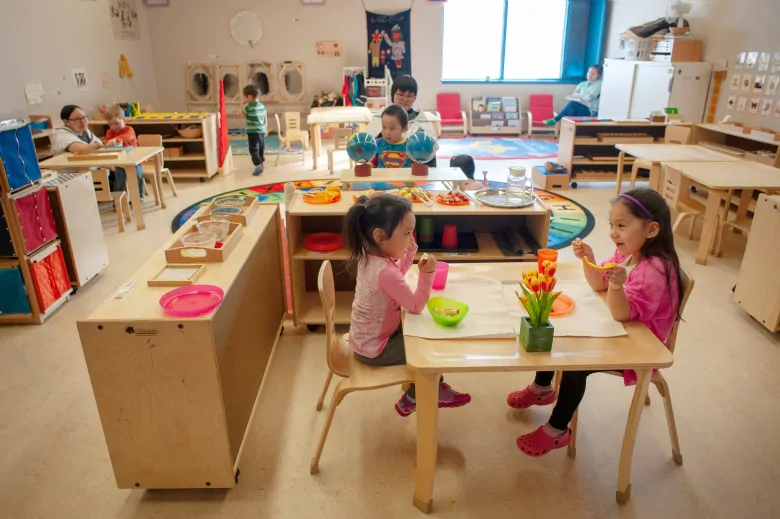
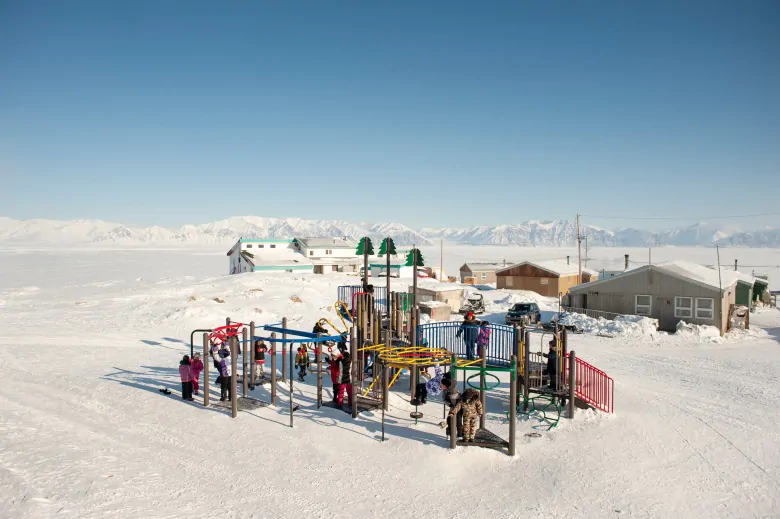
"Pirurvik," which means "a place to grow" in Inuktitut, is the name of a school in Pond Inlet Nunavut. Tessa Lochhead and Karen Nutarak are the founders of Pirurvik Preschool which they opened after working in the education system and experiencing it's shortcomings. Nutarak and Lochhead developed a unique early childhood education program blending Montessori teaching principles and Inuit Qaujimajatuqangit, or Inuit traditional knowledge (IQ).
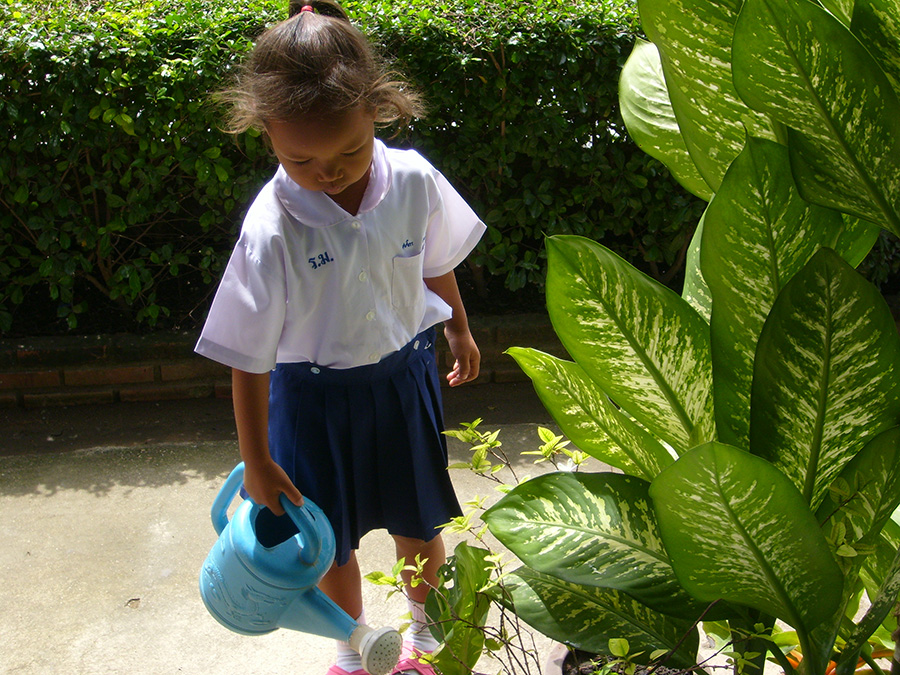
Thailand underwent significant educational reform since 1999. The Association Montessori Internationale (AMI) partnered with the Thai government Office of Basic Education to provide Montessori education in a growing number of public schools in Thailand. Since 2004 over 82 Casa classrooms have been established and 300 educators have been trained.
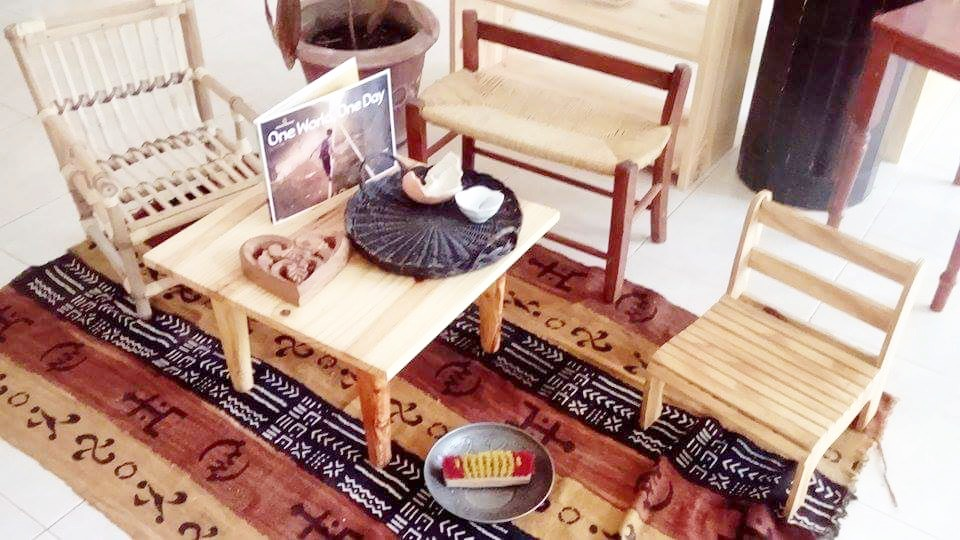
In October of 2016, Nacee Mercier opened two Montessori classrooms, one toddler and one casa, in The Gambia. Moonflower Montessori adapts to the culture of Gambia by incorporating many beautiful textures and textiles of local artisans, from baskets to wall hangings to wooden walls. — Ms. Moffatt
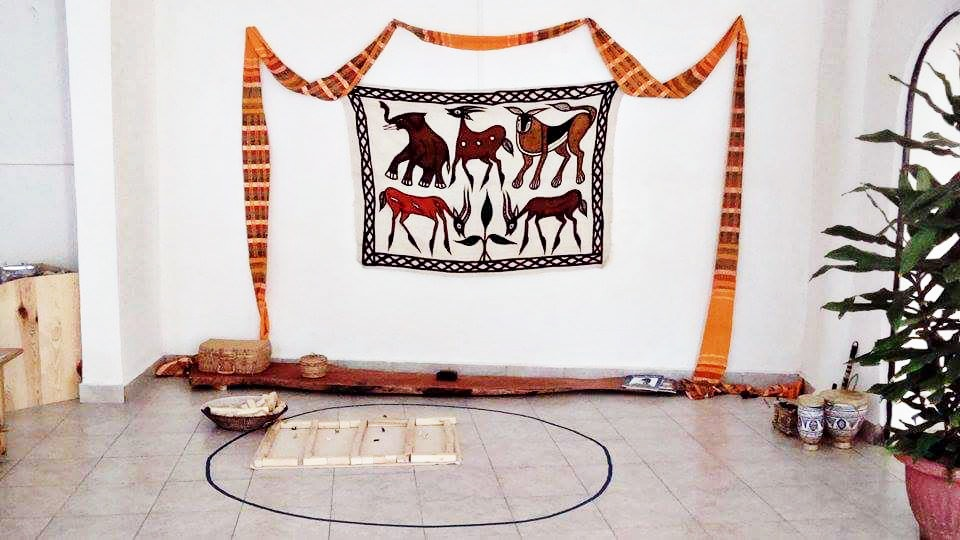
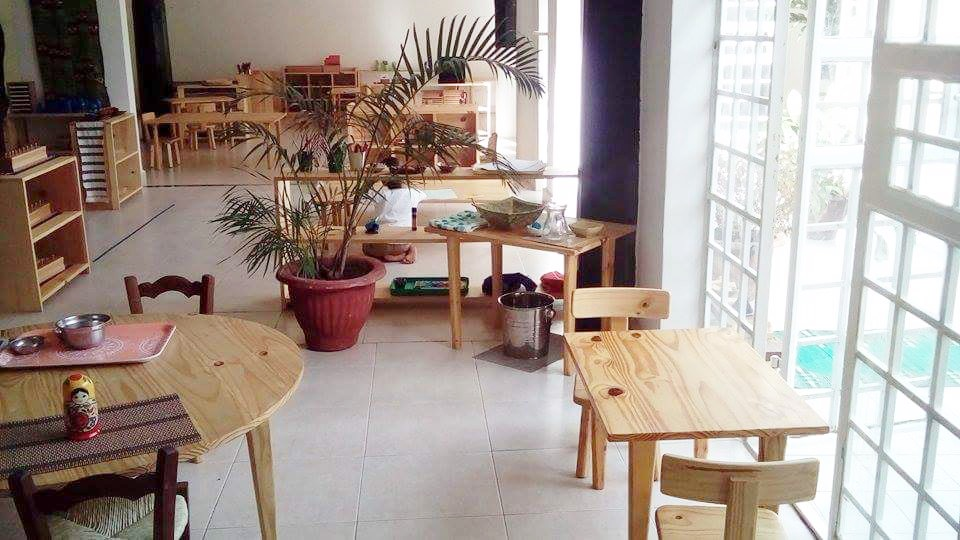
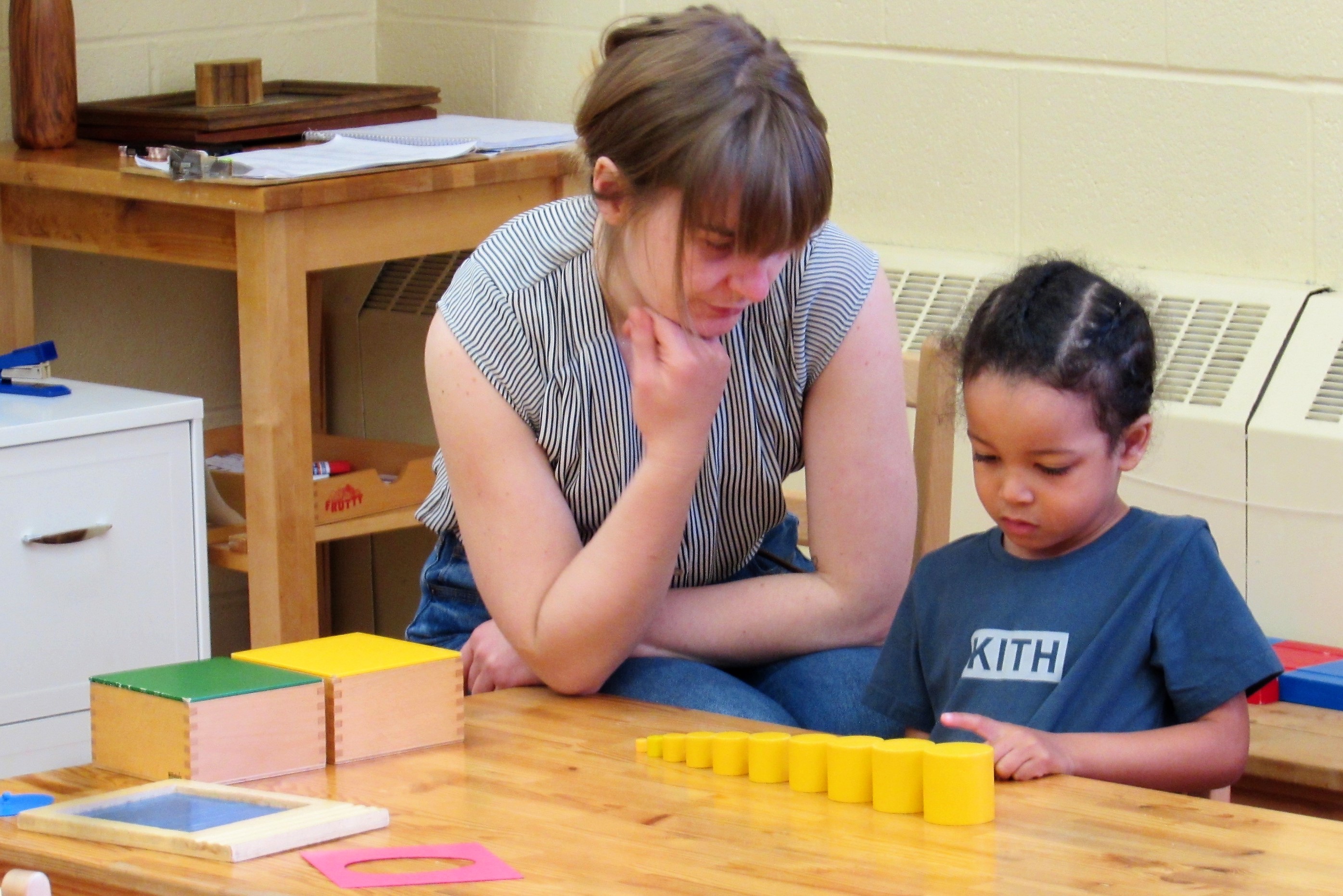
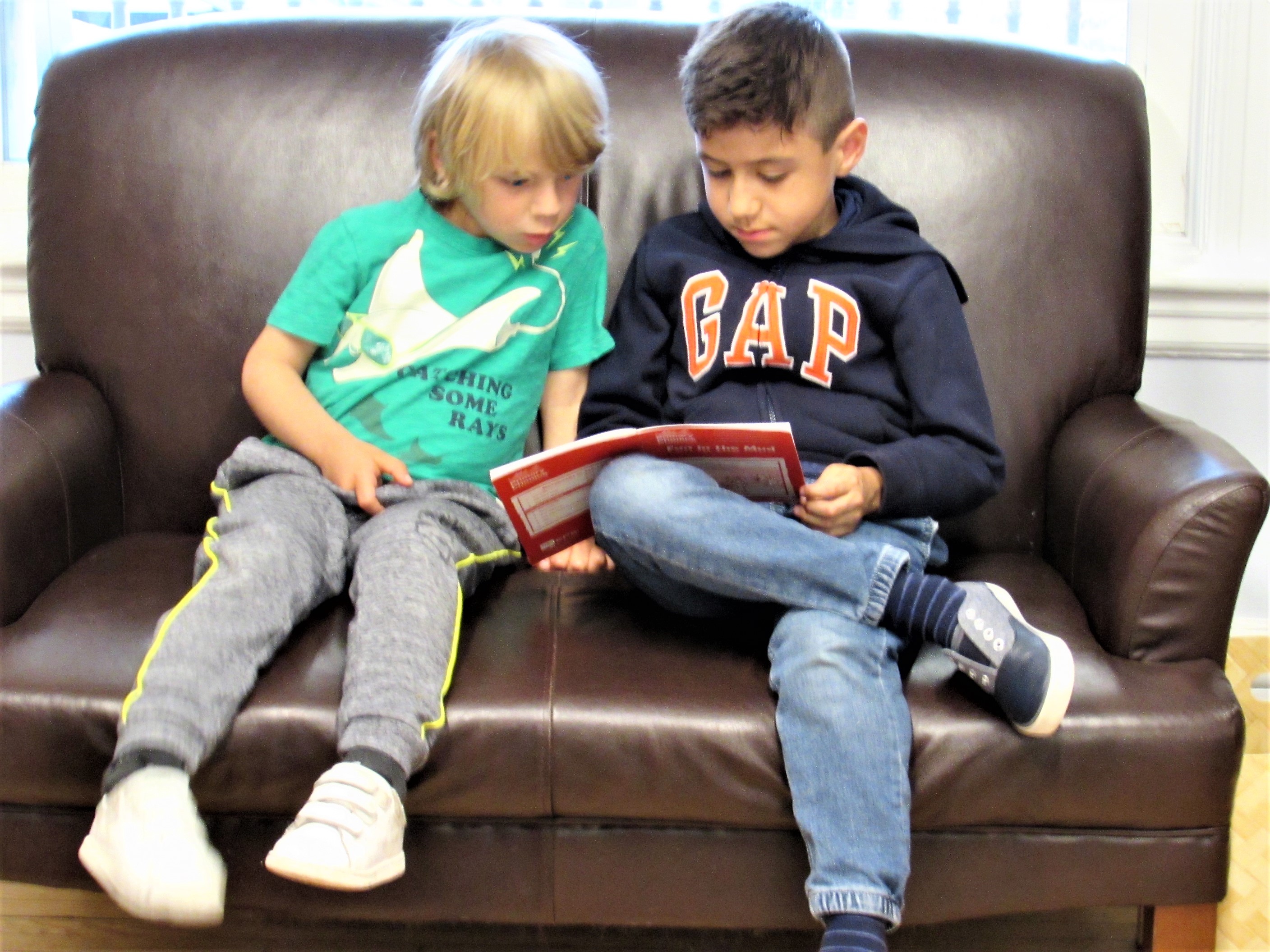
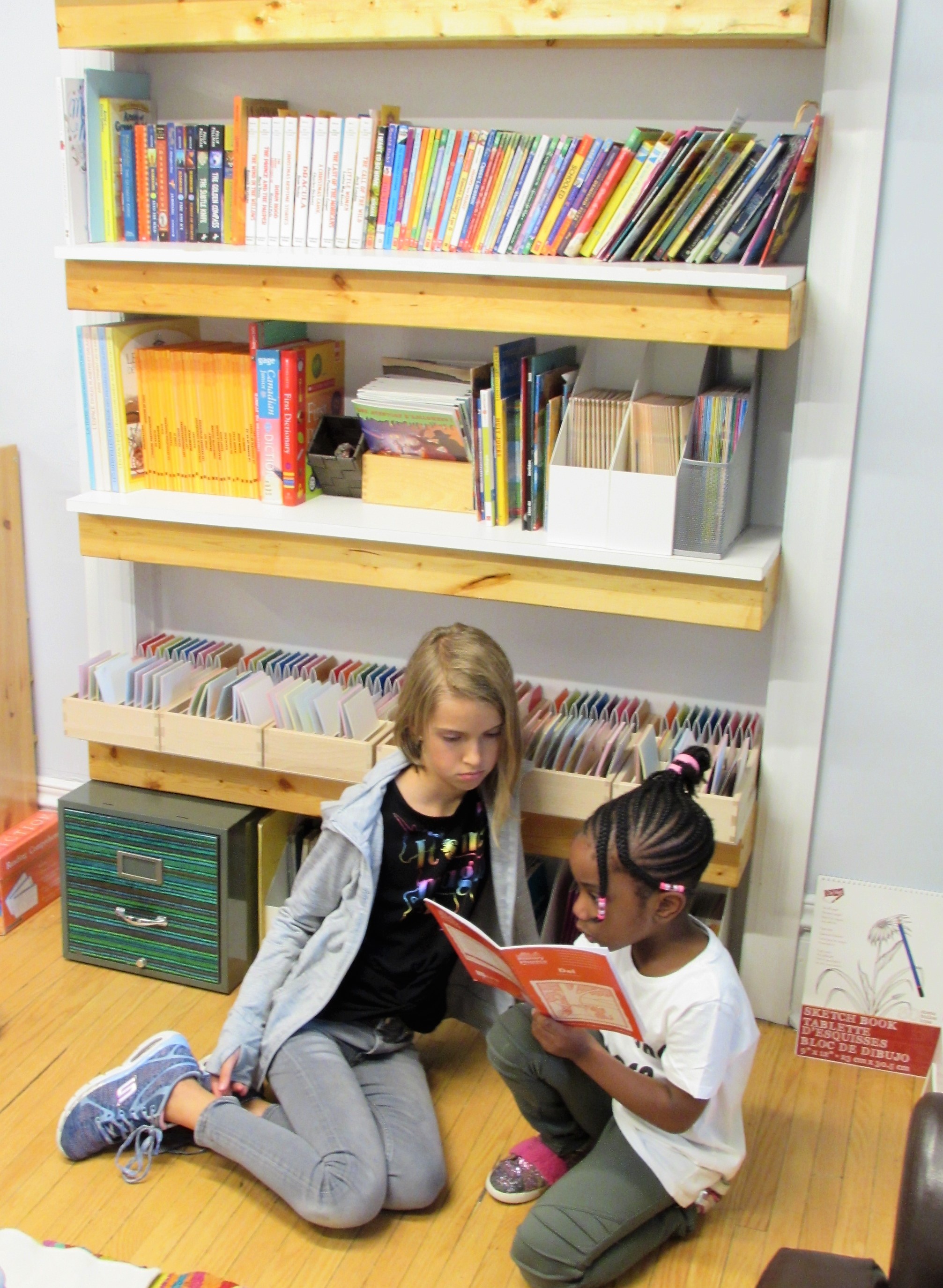
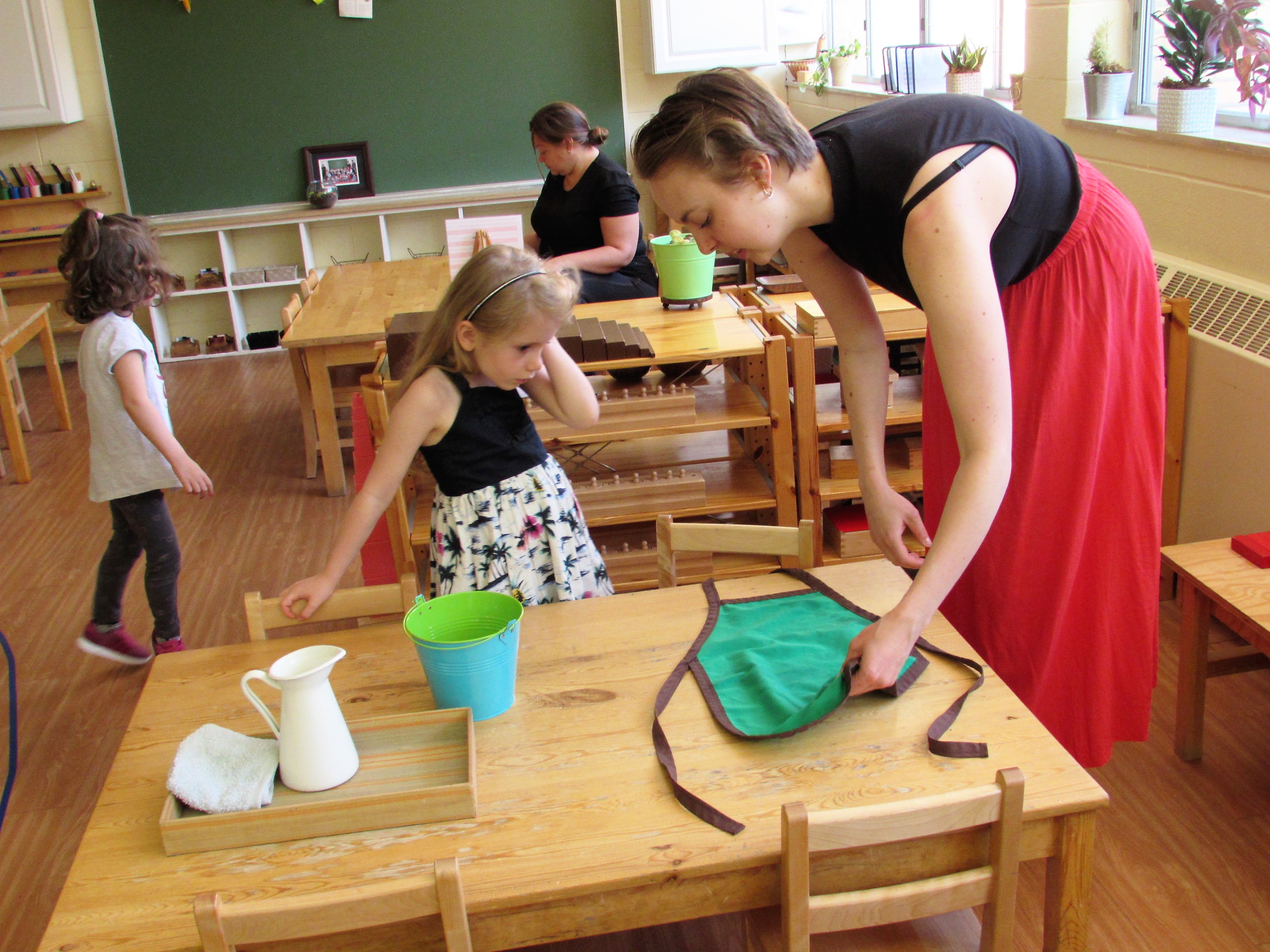
Casa North: When Dr. Montessori first established a house for children (or Casa dei Bambini), she wanted it to be what she called a prepared environment. There are four different types of prepared environments: the earth, the womb, the home, and agreed upon spaces like offices/courts of law/restaurants etcetera. Maria Montessori believed that people need to have prepared environments that are suitable to them at different stages of development, and thus the children's prepared environment was born.
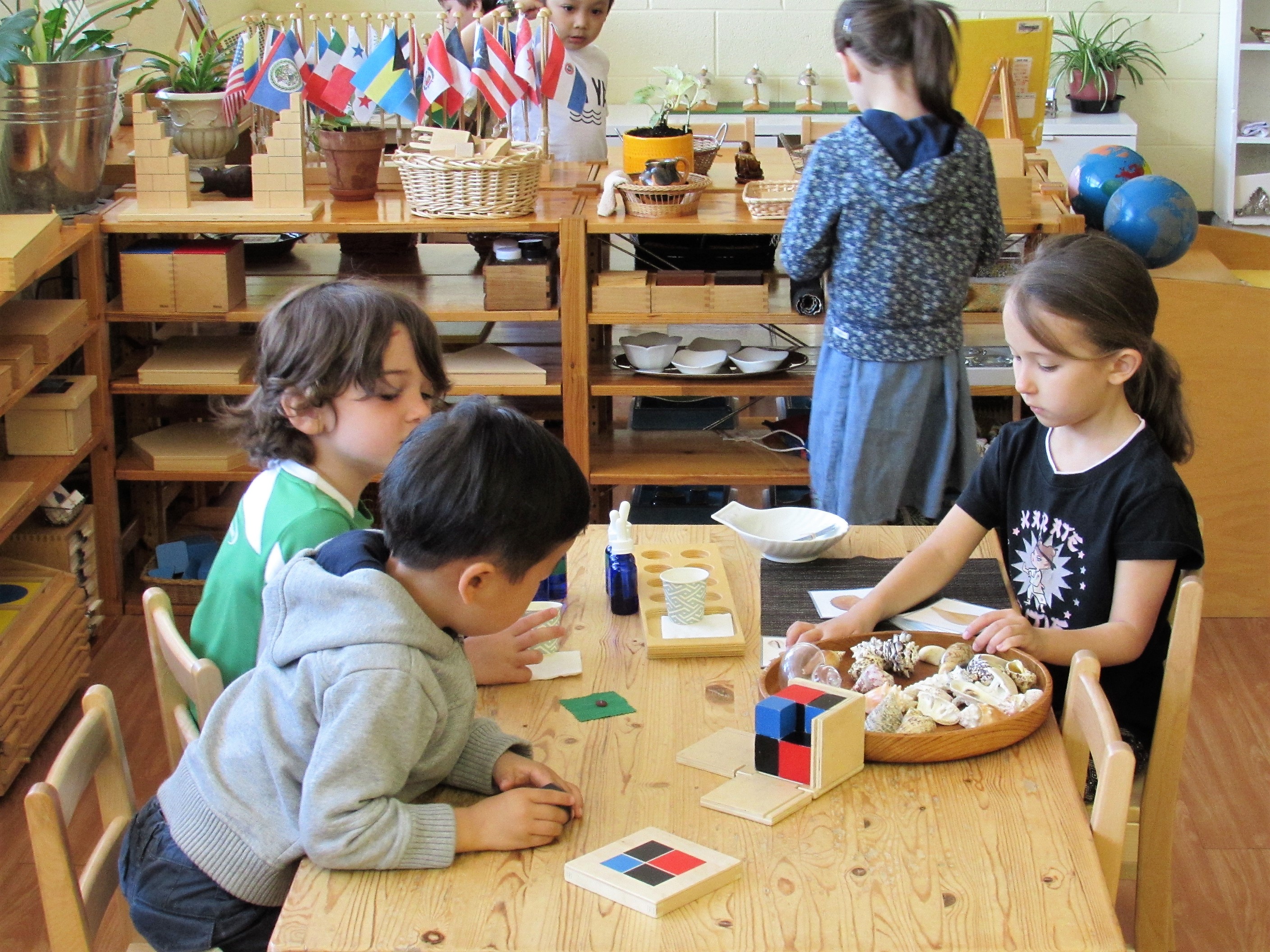
The Montessori prepared environment is for learning, not for teaching. A child does not learn by simply watching — they learn by doing. In our environments, unnecessary obstacles (like ill-fitting furniture or purposeless materials) are removed in order to accommodate this learning. Our space is constructed to allow each child to reveal his or her true nature.
We curate our environments and ensure that there are always limits within the freedom that naturally exists. Our Casa environments are limited in time (only for children ages 3-6), space (appropriately sized), the number of children, and the materials we have. Within the limits of the space the children are free to move, to touch, to associate with other children, to engage in conversation, to choose from their interests, and most importantly to repeat.
Our job as the adults in the prepared environment is to prepare ourselves. If your child is registered in Before Care, you may have seen the adults of the school bustling around, quickly ensuring the spaces are ready and waiting for your children to arrive. In terms of ourselves, we do our very best to be neat, specific, intentional, and warm so that your child has the best possible example to follow. This is the intangible prepared environment, and this part is arguably the very most important of them all.
Thank you for your donations of plastic bags to the classroom — they are being put to good use! I look forward to meeting with you at our upcoming conferences to talk about a wonderful year. — Ms. Boyle
Elementary:

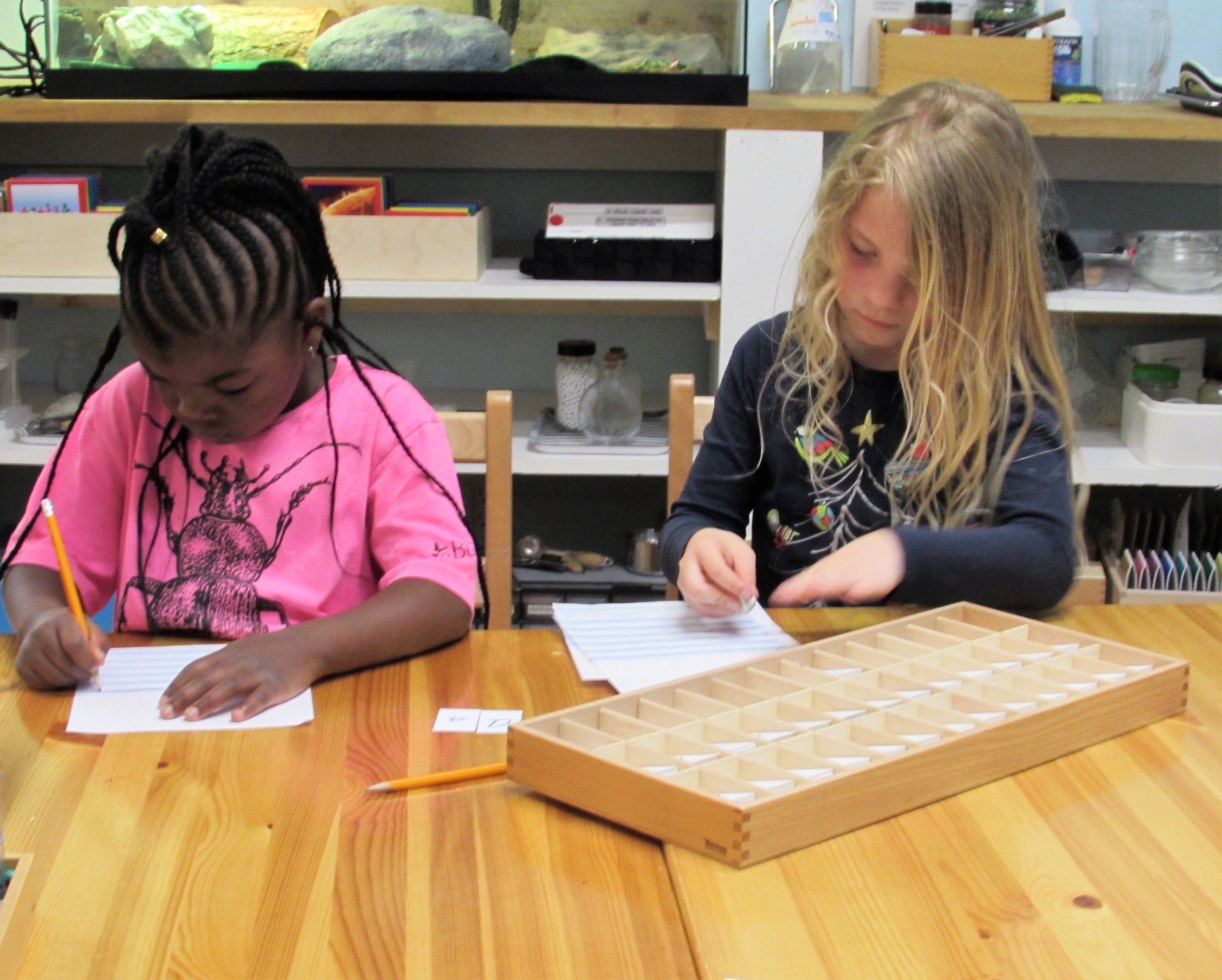
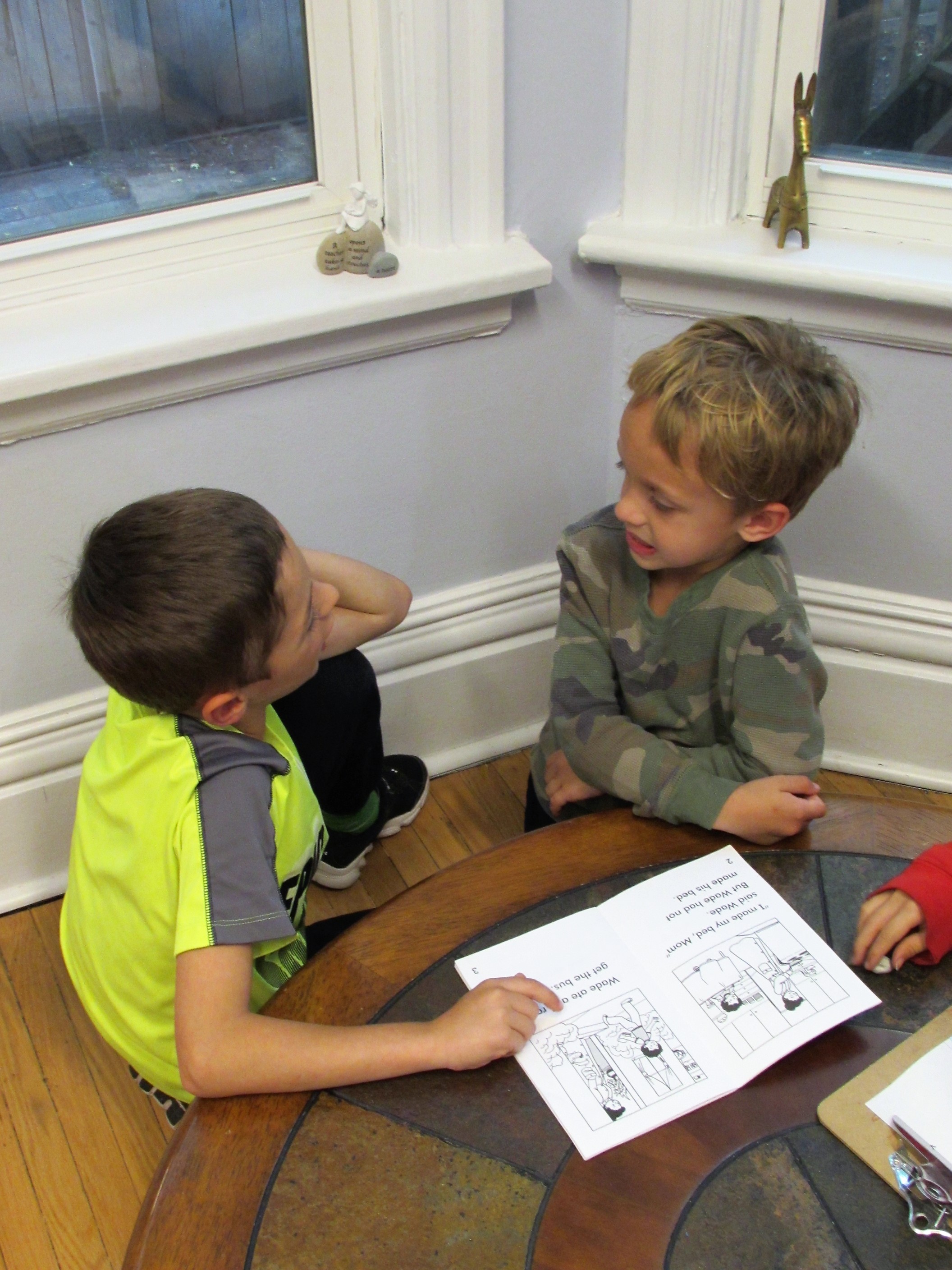
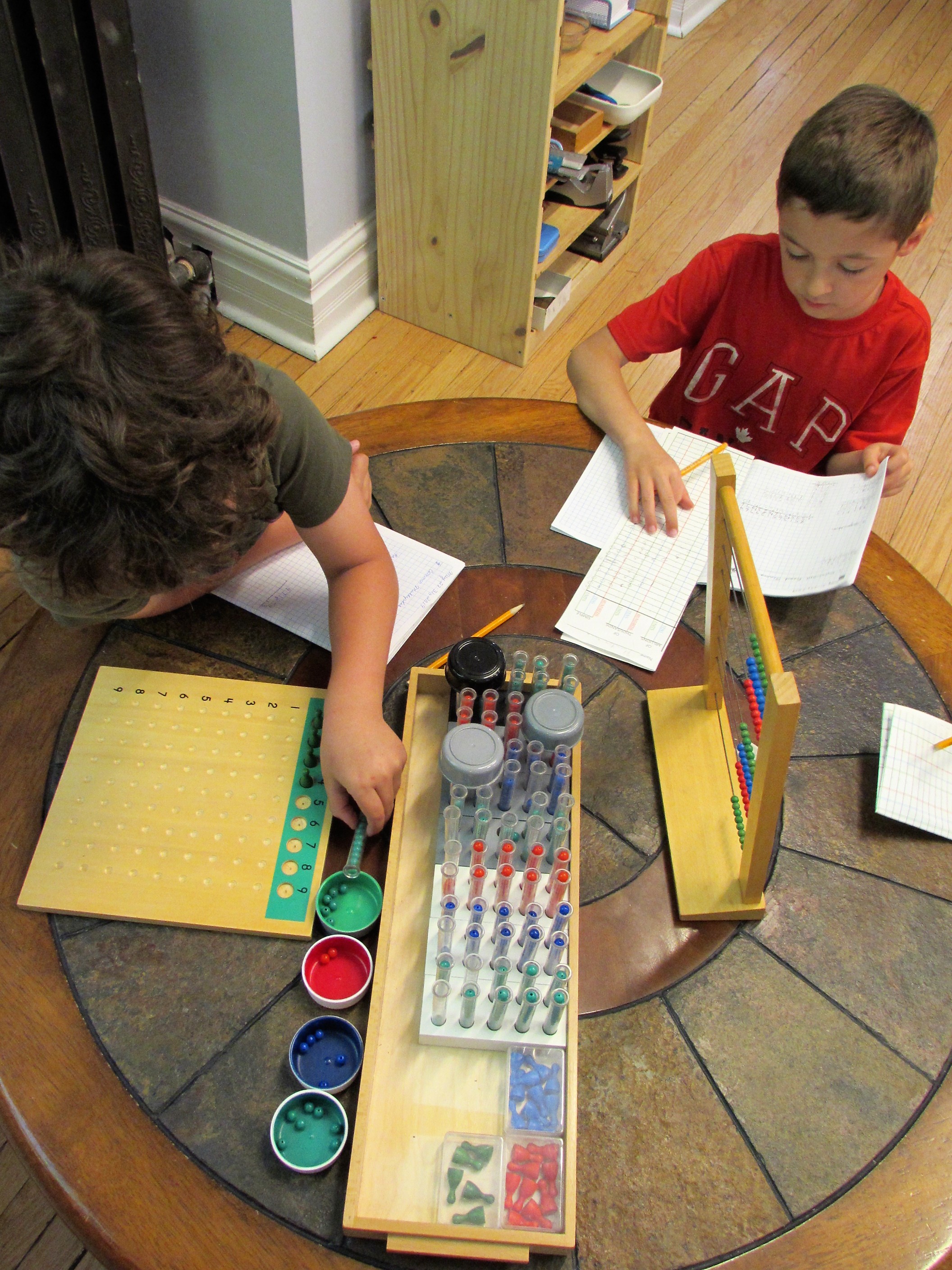
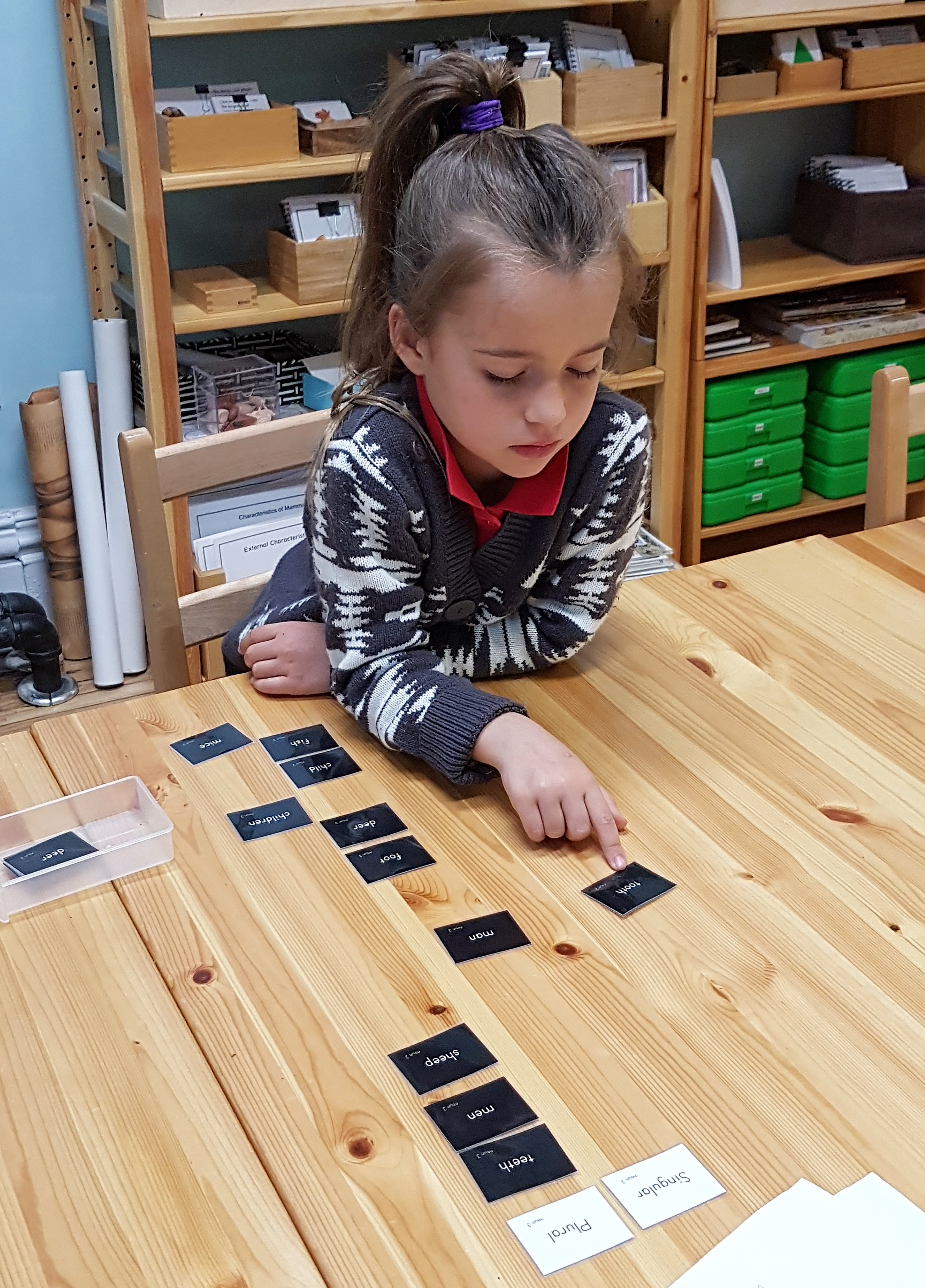
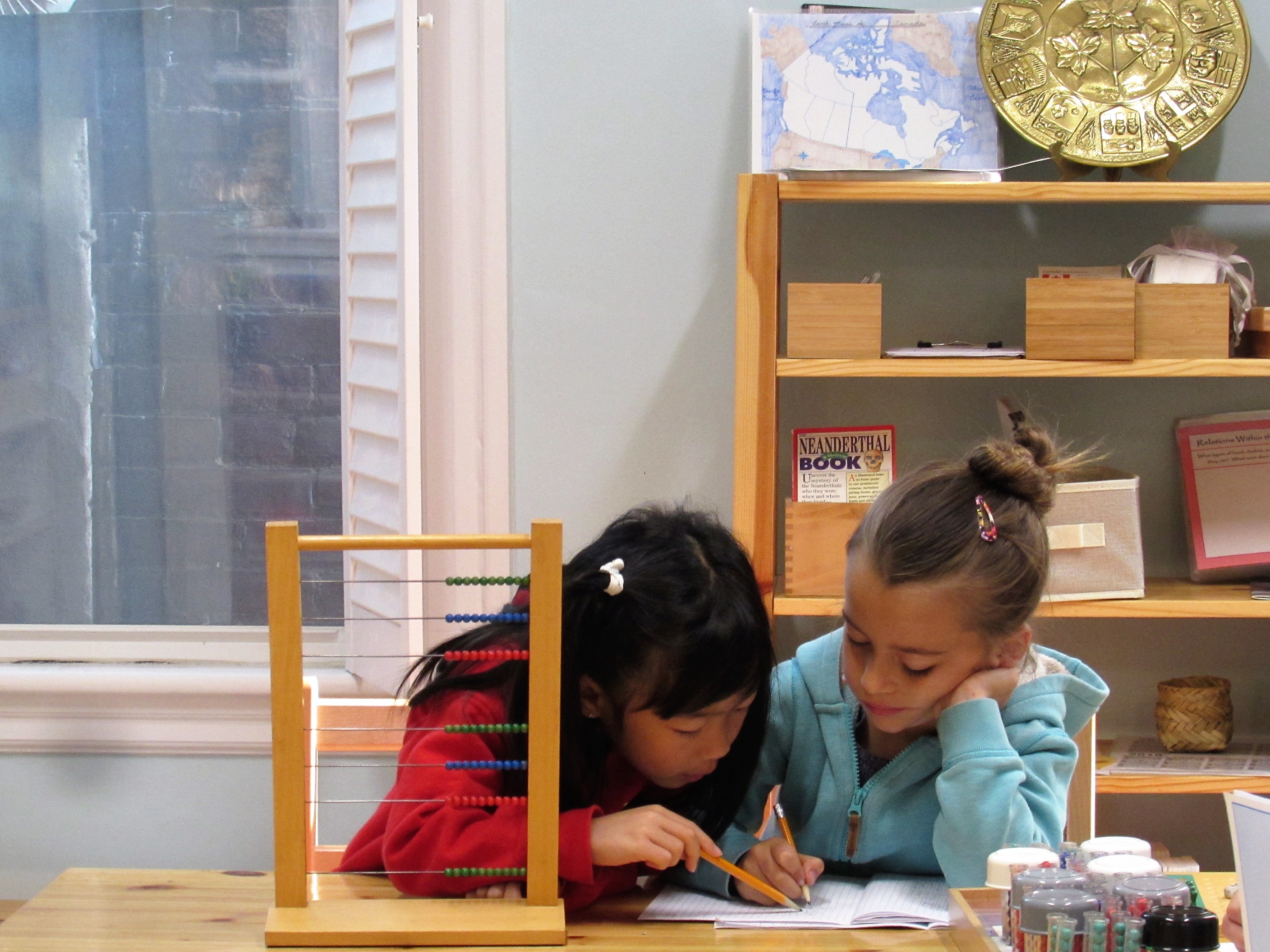
Between the ages of 6-12, children double their vocabulary to an astounding 50,000 words. Building upon the strong foundation of varied and precise oral language in the Casa environment, the Elementary classroom is packed with nomenclature materials, magazines, and books to feed each child's search for the right words to express their thoughts, opinions, and knowledge.
Many of the language materials used in the early Elementary years are manipulative cards that isolate particular concepts, such as compound words, or develop a specific skill, such as separating words into syllables, or explore different parts of speech, as with the Grammar Boxes. Yet the beautiful and precise language seeded throughout these activities and all areas of the classroom contains enormous potential. Even when a child feels they have mastered a material or topic, a new layer of language awaits.
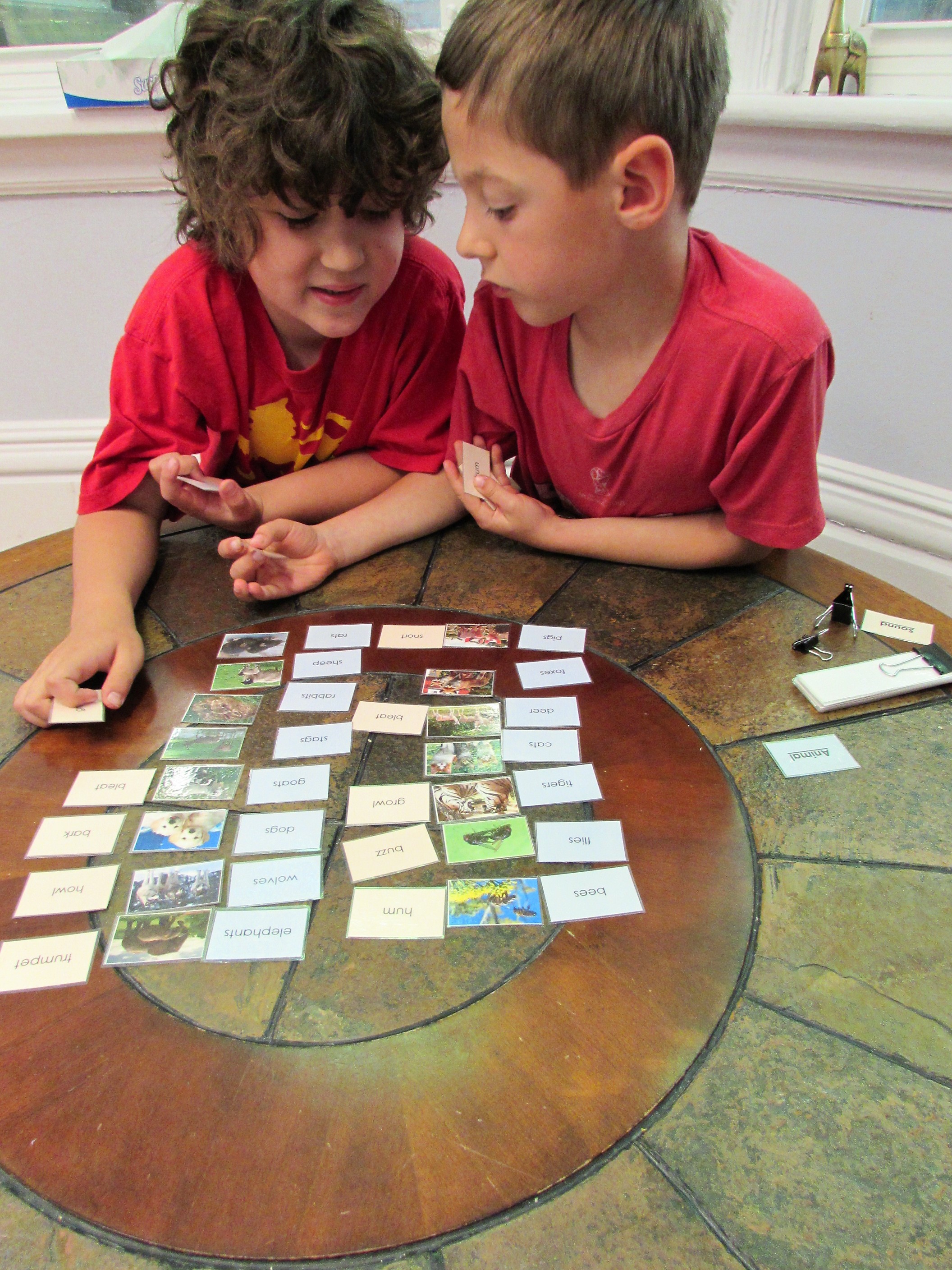
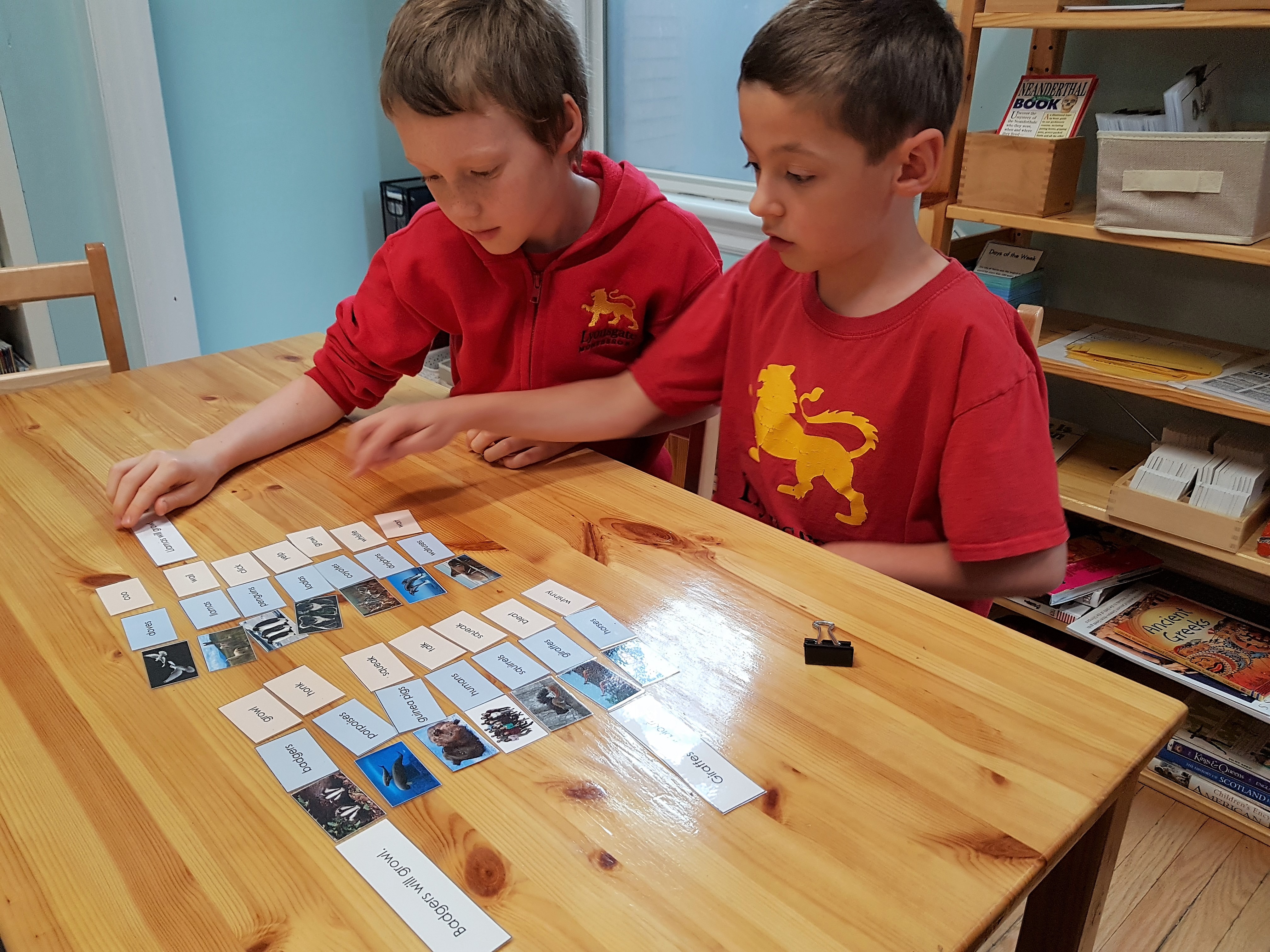
This week, a student who reads with confidence and easily identifies nouns and their purpose, was invited to return to what appeared to be some simple card work. Match the picture of an animal with its written name, and then find the word card for the sound that animal makes. Simple, right? The pig grunts. The horse neighs. The walrus... What sound does a walrus make?! (They "wort"). What sounds does a weasel make? (They "dook"). A wondrous new layer of language was uncovered in an area the student thought he had already mastered! In this way, his curiosity and attention to the familiar is re-kindled.
As their facility in reading develops, students are challenged to build their vocabulary through research and fiction texts, as well as articles on current issues, such as climate change. Rather than relying on context to pass over an unknown word, they are asked to stop and investigate. To use the dictionary, to ponder the root, to examine a word's relationship to other languages (e.g. luminous).
In the third term of each school year, some students are invited to join a novel study group, taking turns to read aloud from a book that will act as a catalyst for discussion, historical research, and student-driven activities related to the story's setting, characters, plot, or theme. They support one another in understanding the weekly reading, eagerly discussing their predictions, criticisms, and enjoyment of the story. They become invested in the characters and argue over what is fair, right, and ideal in the fictional world presented. The development of verbal language is not only for us to connect with one another, but also with ourselves. As each child consumes and integrates the words around them, they are better equipped to not only communicate and collaborate, but to think and to reflect on the challenges and joys they experience at a deeper level, and to use them in their work of self-construction.
We look forward to seeing many of you at our Parent Social next week, and sharing with you some of the Great Work the children have created this term. Please RSVP if you haven't already done so. — Marissa

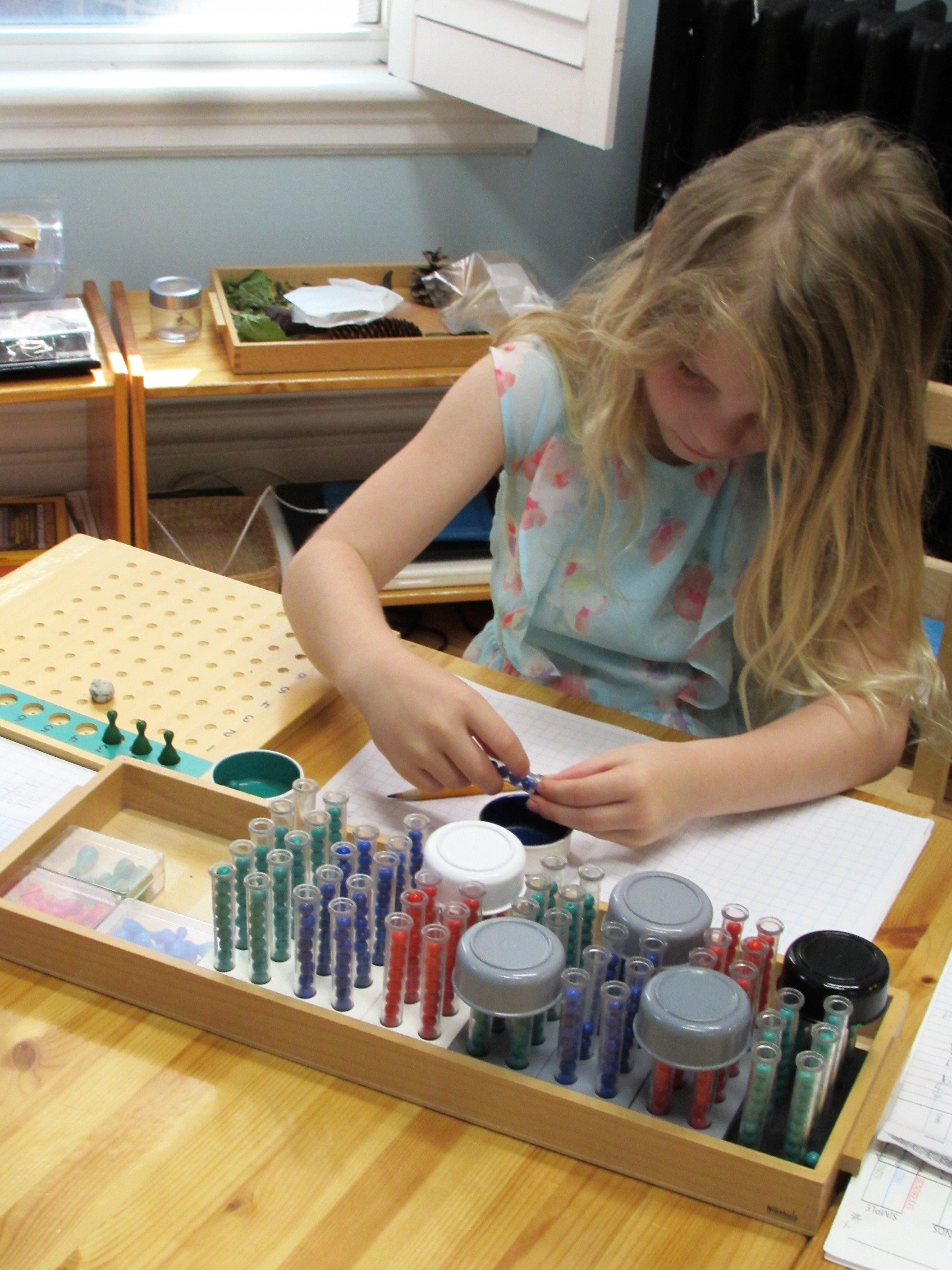
Coming Up:
June!

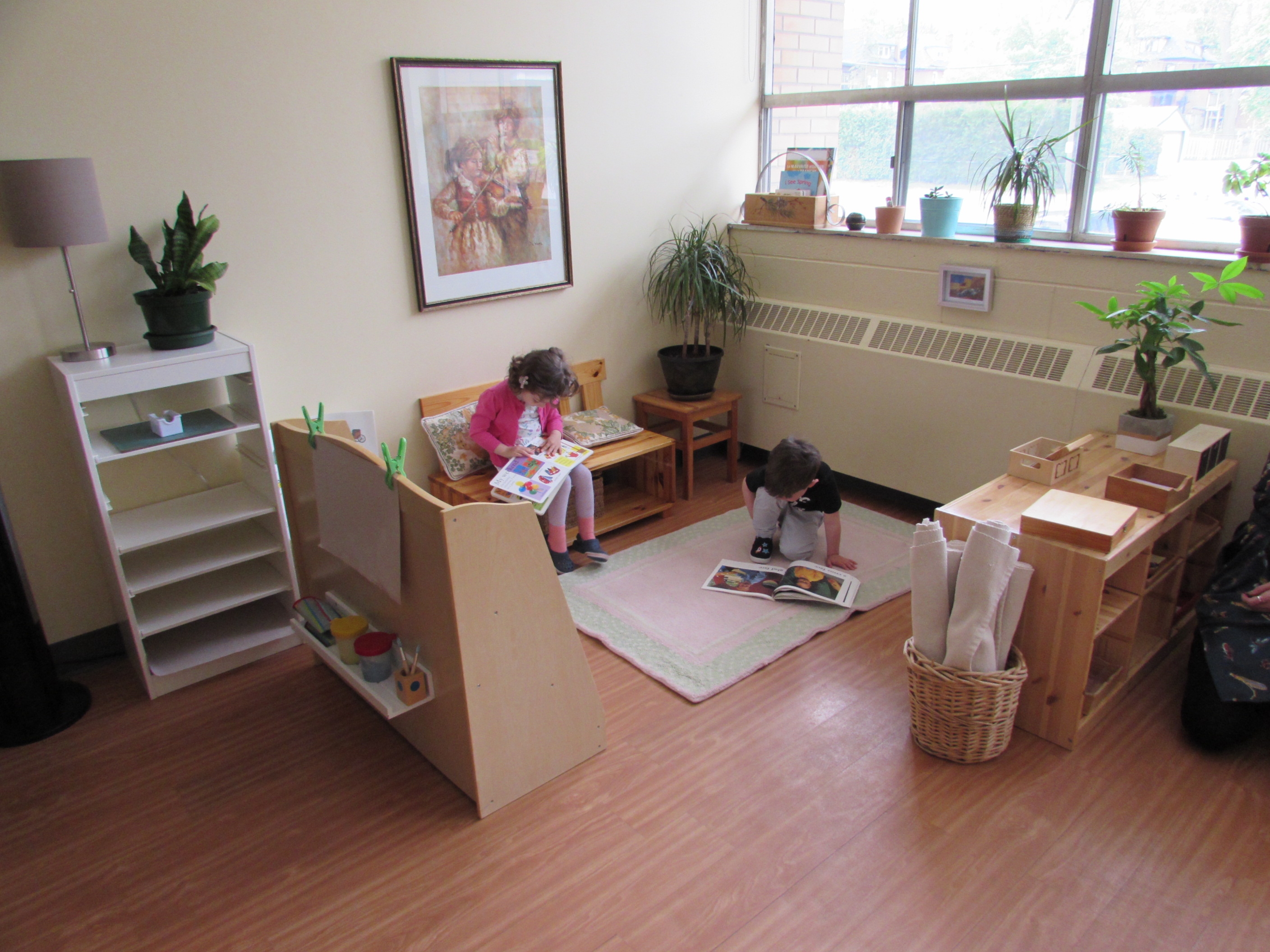
Lyonsgate Weekly Update | May 24, 2019
 Hello Lyonsgate Montessori Families,
Only one more week (and a bit) for parent observations in the Casa and Elementary Montessori environments. Observations in your child's classroom are 20 minutes in duration and occur during the morning work cycle. Before your observation, please review the Observation Guidelines for Casa, and/or for the Elementary program.
Please click the relevant link(s) below to schedule your observation:
- Casa North: Click here to schedule in Casa North (Ms. Boyle).
- Casa South: Click here to schedule in Casa South (Ms. Moffatt).
- Elementary: Click here to schedule in Elementary.
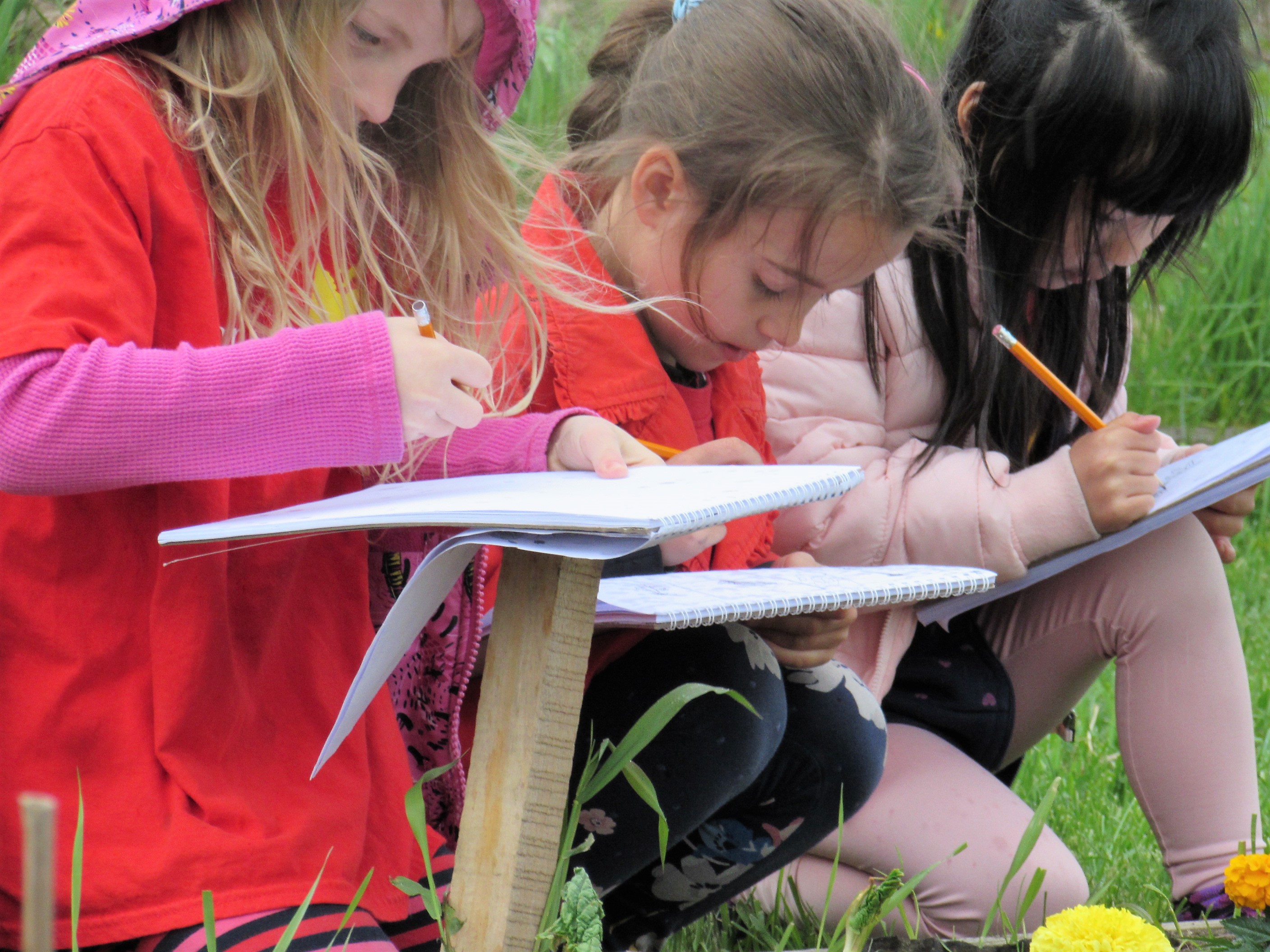
This Week:
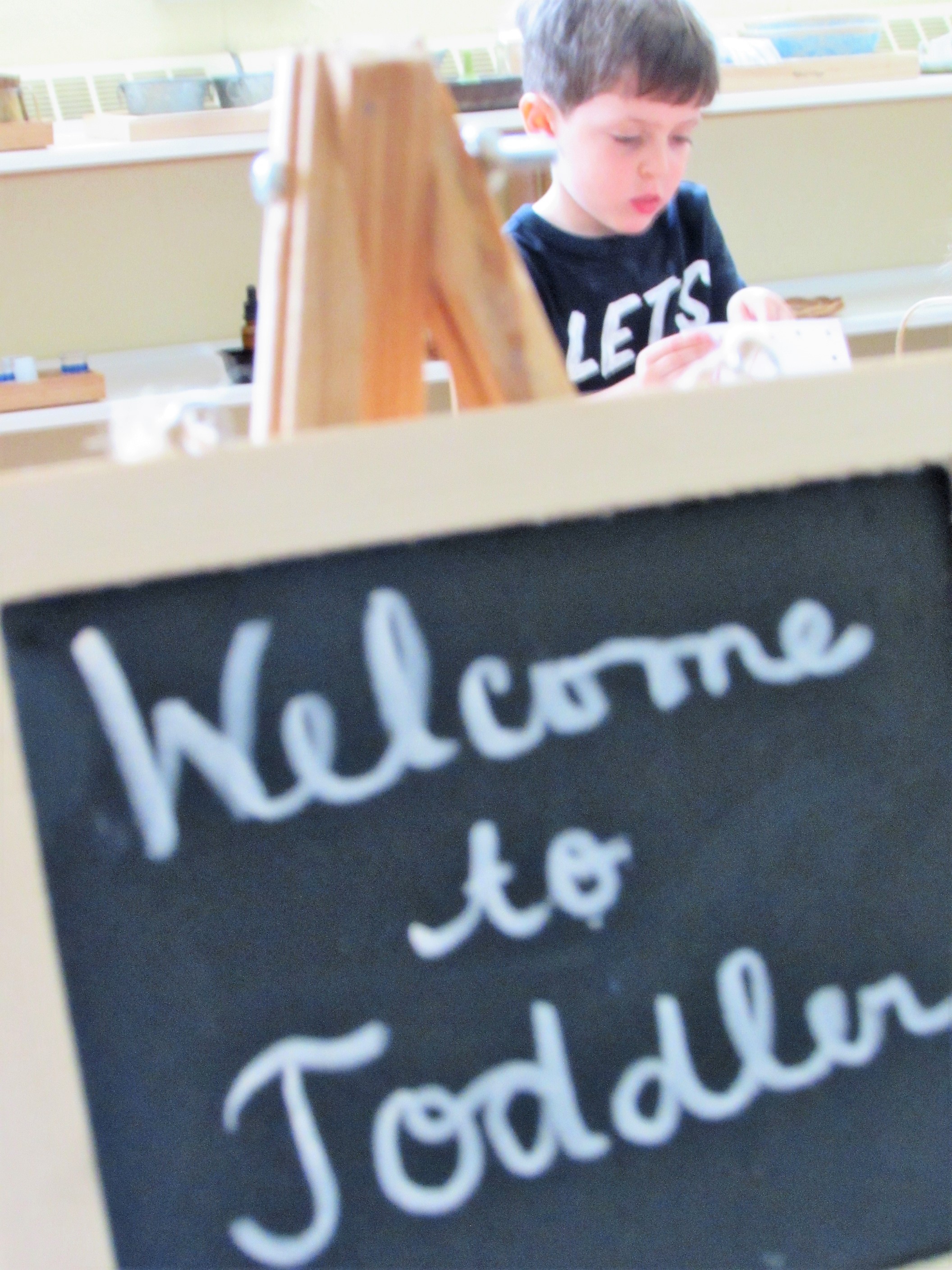
Toddler:
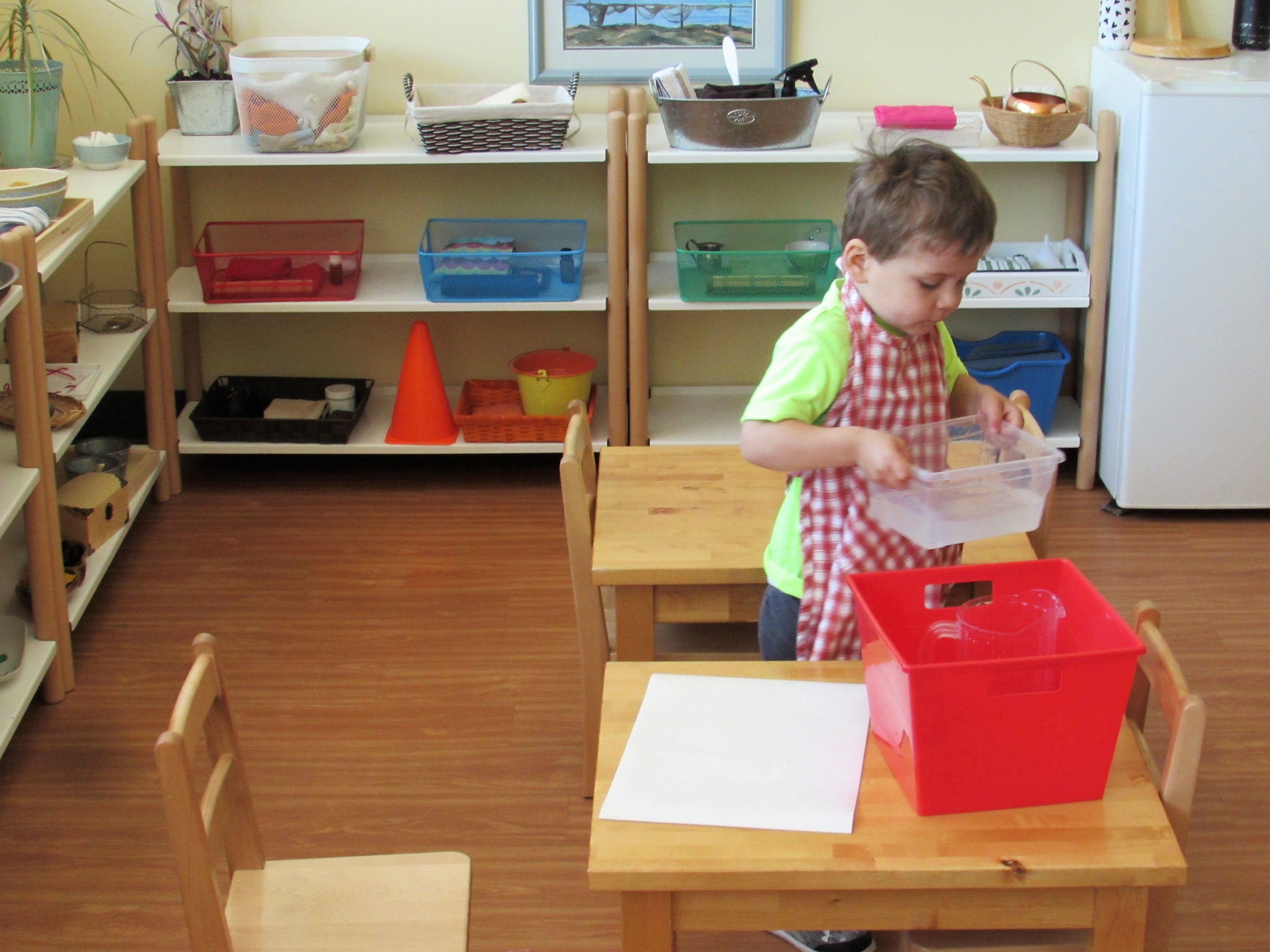
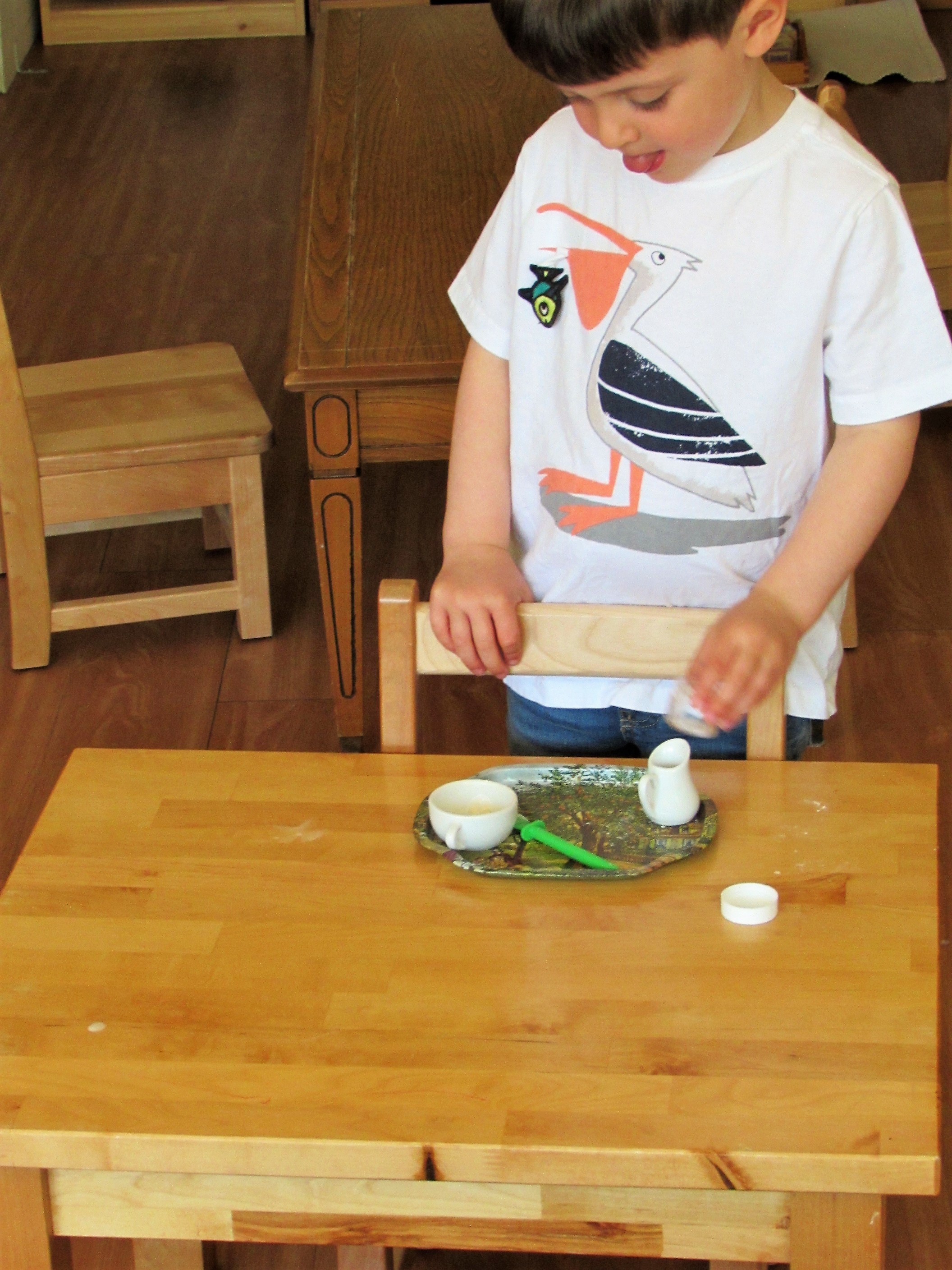
This week, I will be shedding some light on the colourful materials that are often shared through the weekly updates. In the past, we’ve seen pictures of the children working with activities such as hammering, stacking rings, sorting, beading maze, and various imbucare box materials. The materials each serve a specific purpose directly tied to children's development.
These materials are aesthetically pleasing and encourage the toddlers’ gravitation to them and simultaneously fulfill their sensorial needs. Children use their senses in order to study their environment. By participating in these sensorial activities, they can consciously obtain clear information that helps them classify their surroundings. Sensorial activities are used in Montessori learning to help children develop discrimination and order. They also help broaden and refine children's senses, helping them become more logical, perceptive, and aware.
In the classroom, the Stacking Rings activity is designed to assist in visual discrimination by allowing the children to recognize differences in dimension, length, width, and size.
The auditory sense is developed in materials such as the Xylophone and the Triangle in our music corner. The tactile sense is sharpened through the use of Fabric Feel, and our snack area fulfills the children's needs for the development of the gustatory and olfactory senses.
Dr. Maria Montessori believed that educating the senses preceded intellectual development. A child’s education begins at birth as they take impressions of their world through their senses.
Note: We are currently in need of plastic bags for our classroom and would really appreciate donations! Thank you. — Ms. Dee

Casa
Note: We are currently in need of plastic bags for our classrooms and would really appreciate donations! Thank you.
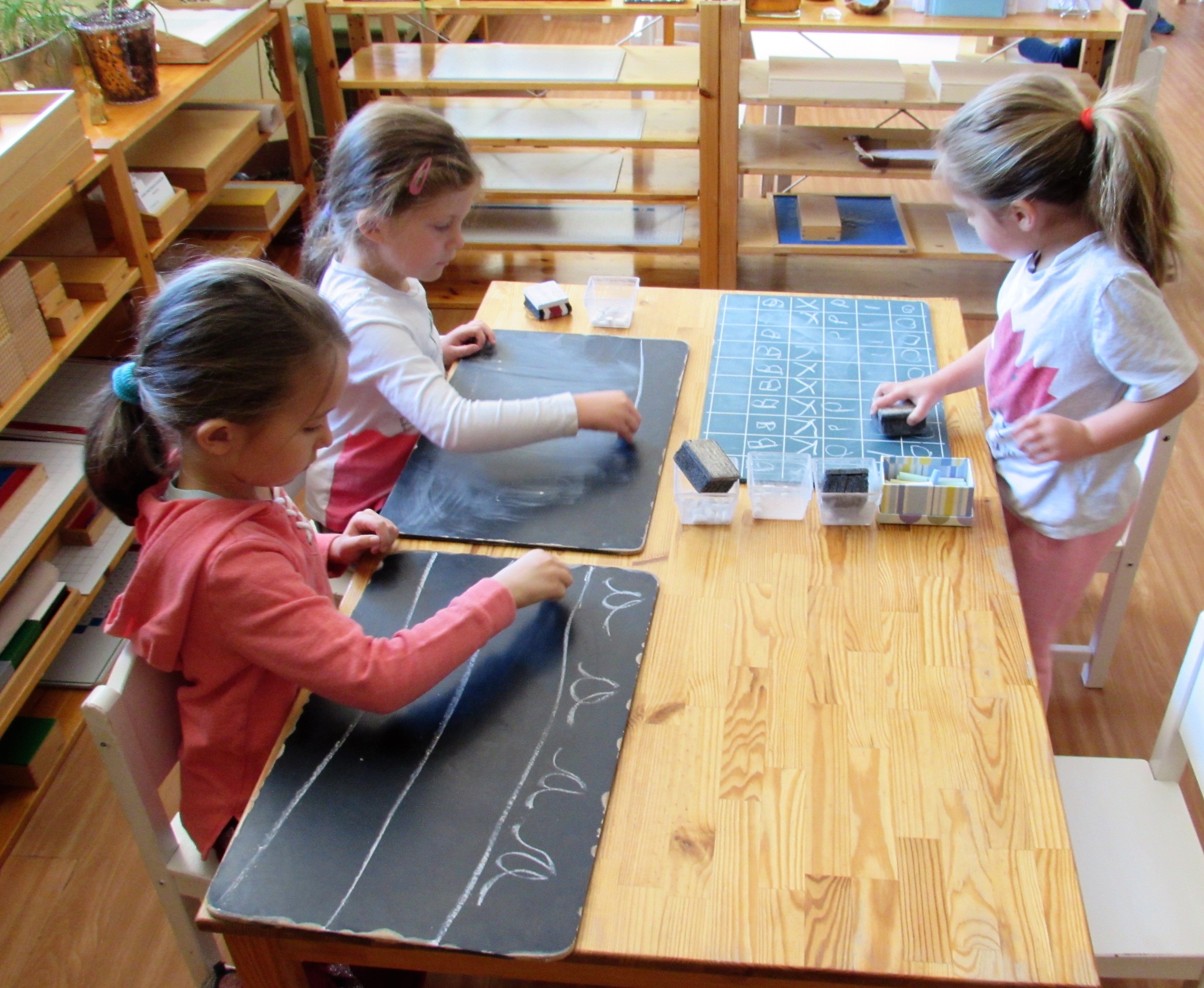
 Casa South: Music plays an essential role in our society and culture. The child comes into the world with a sense of rhythm. The ear completes its structural development between the second and fifth month of pregnancy. From that moment, it is exposed to constant noise. The child's ear is exposed to its first rhythm, the mother's heartbeat.
Children (as we have all probably observed) have very little restraint in their bodily response to music. When no one else is singing or dancing, turn to your young one and they are probably groovin'.
The Montessori classroom is a place of musical exploration. Children who sing or hum while they work are encouraged to do so, music is accessible by a cd player and we are constantly introducing new music and singing as a group.
Montessori was not a musician but she recognized the value of music in relation to the child and the human race. Montessori sought a musical instrument that the child could have a sensorial relationship with. She wanted an instrumnet that the child could: match with, grade with, evoke language, produce games from, and be taken apart, isolated, and put back together with ease. This instrument had to be theoretically sound.
Montessori approached Anna Maria Maccheroni, a famous musician at the time, with her ideas and musical endeavour. It was in this collaboration that The Bells were developed.
I have witnessed entire classrooms become more peaceful as one child spontaneously plays a bell. I have seen children become so engrossed in the sound of a bell fading in its sound. I have seen children attempt to play "We Will Rock You" (with minor success!). The Bells are one of the most elegant and thoughtful materials in the classroom, a very special piece of work indeed! — Ms. Moffatt

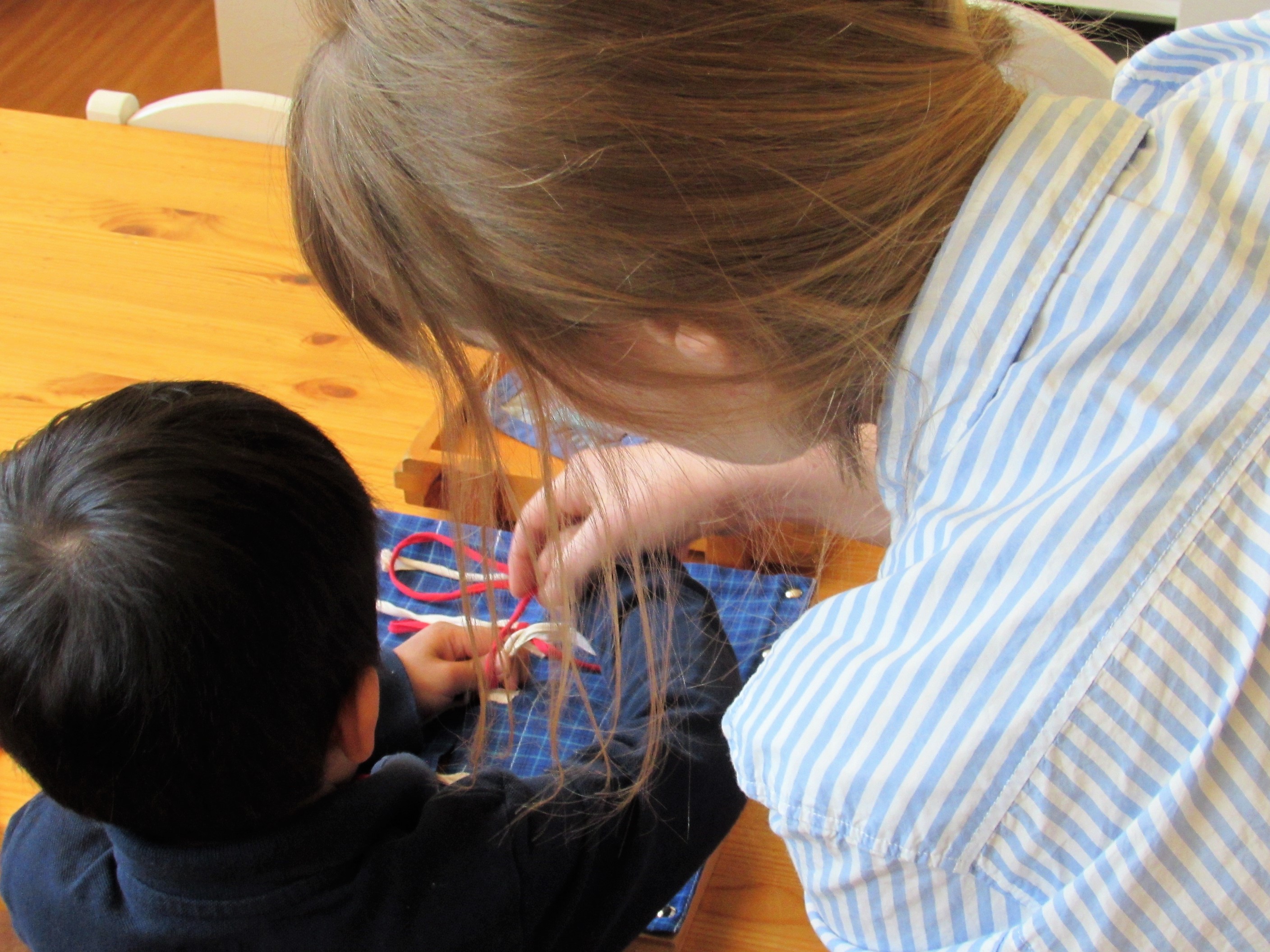
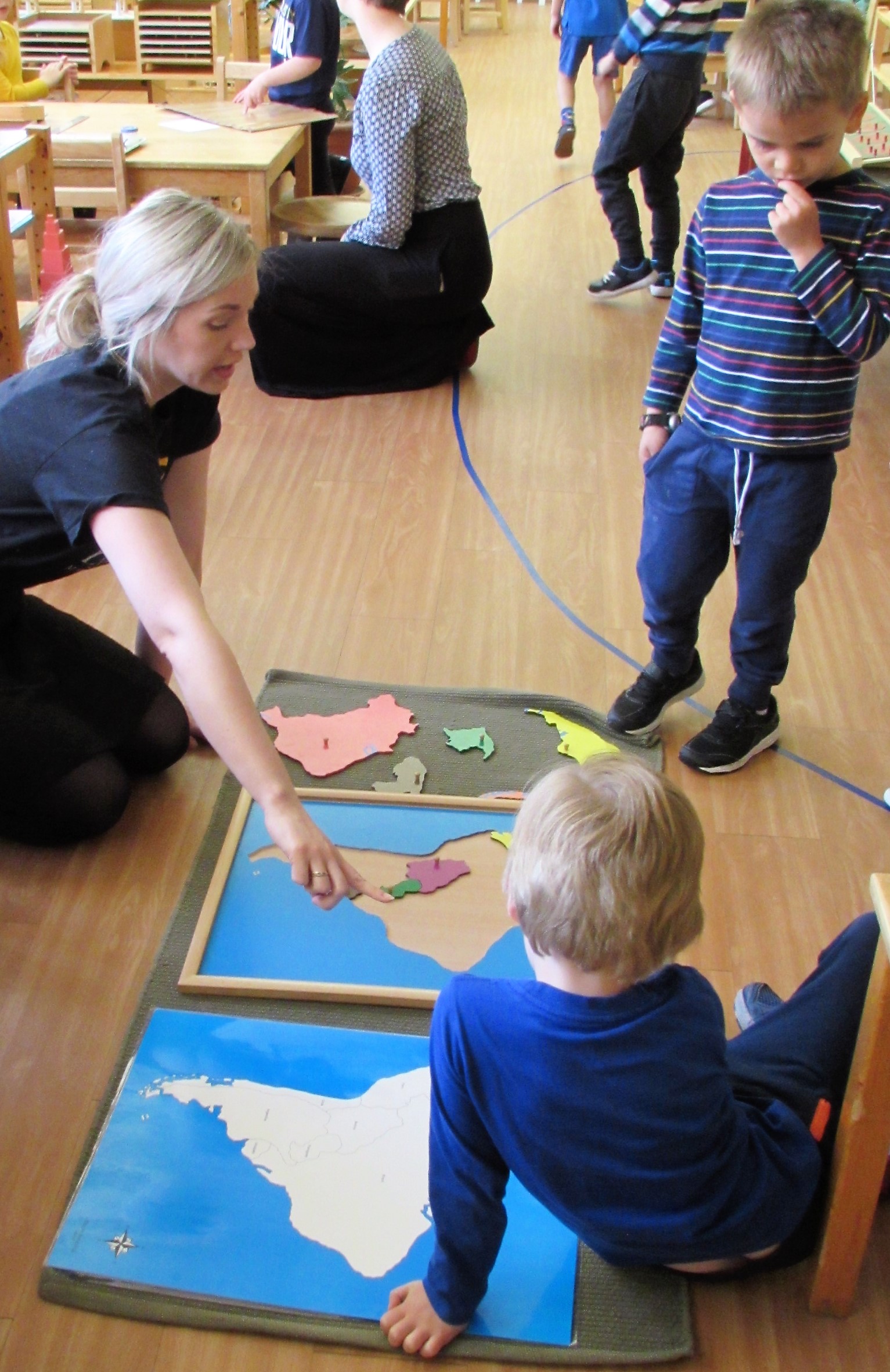
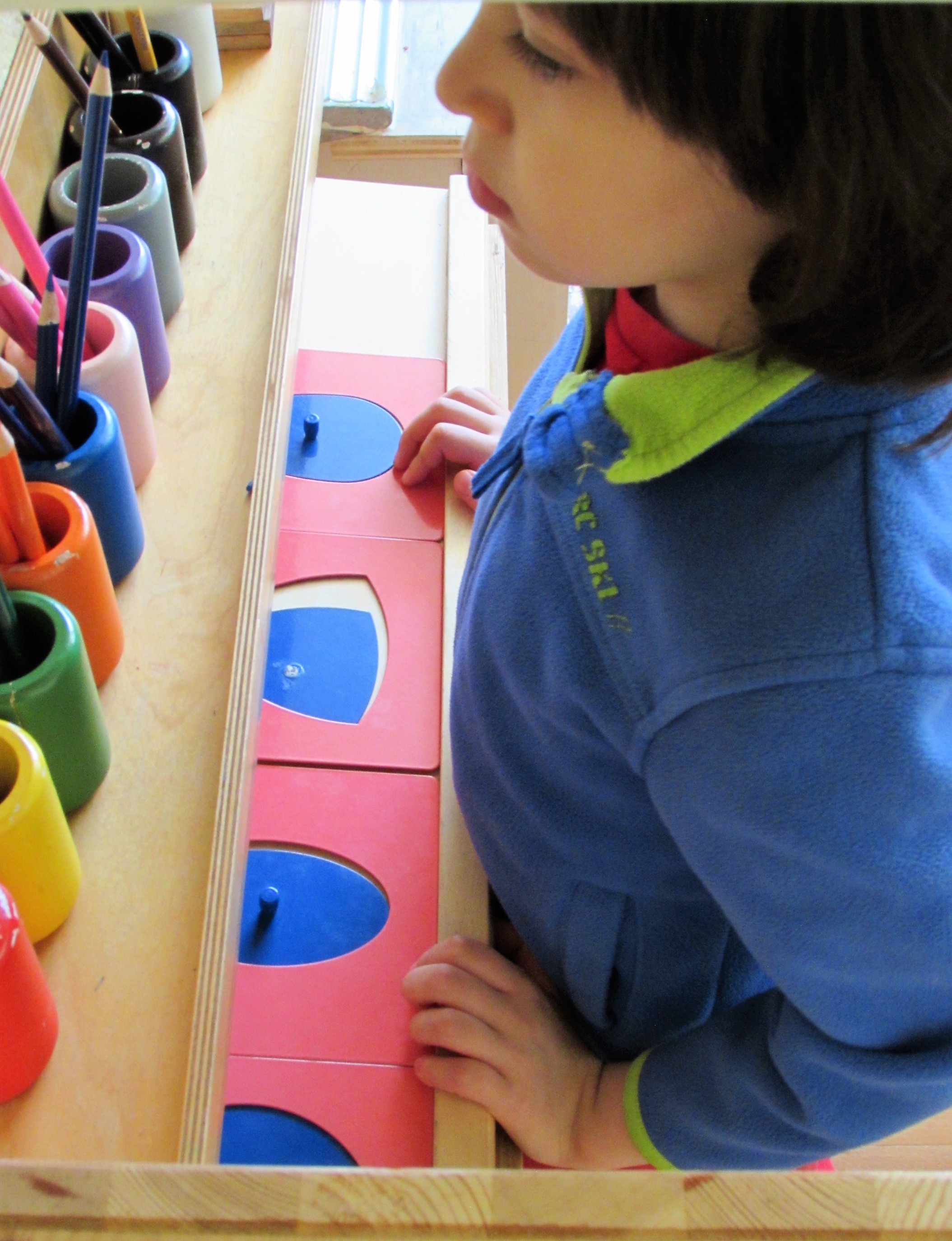
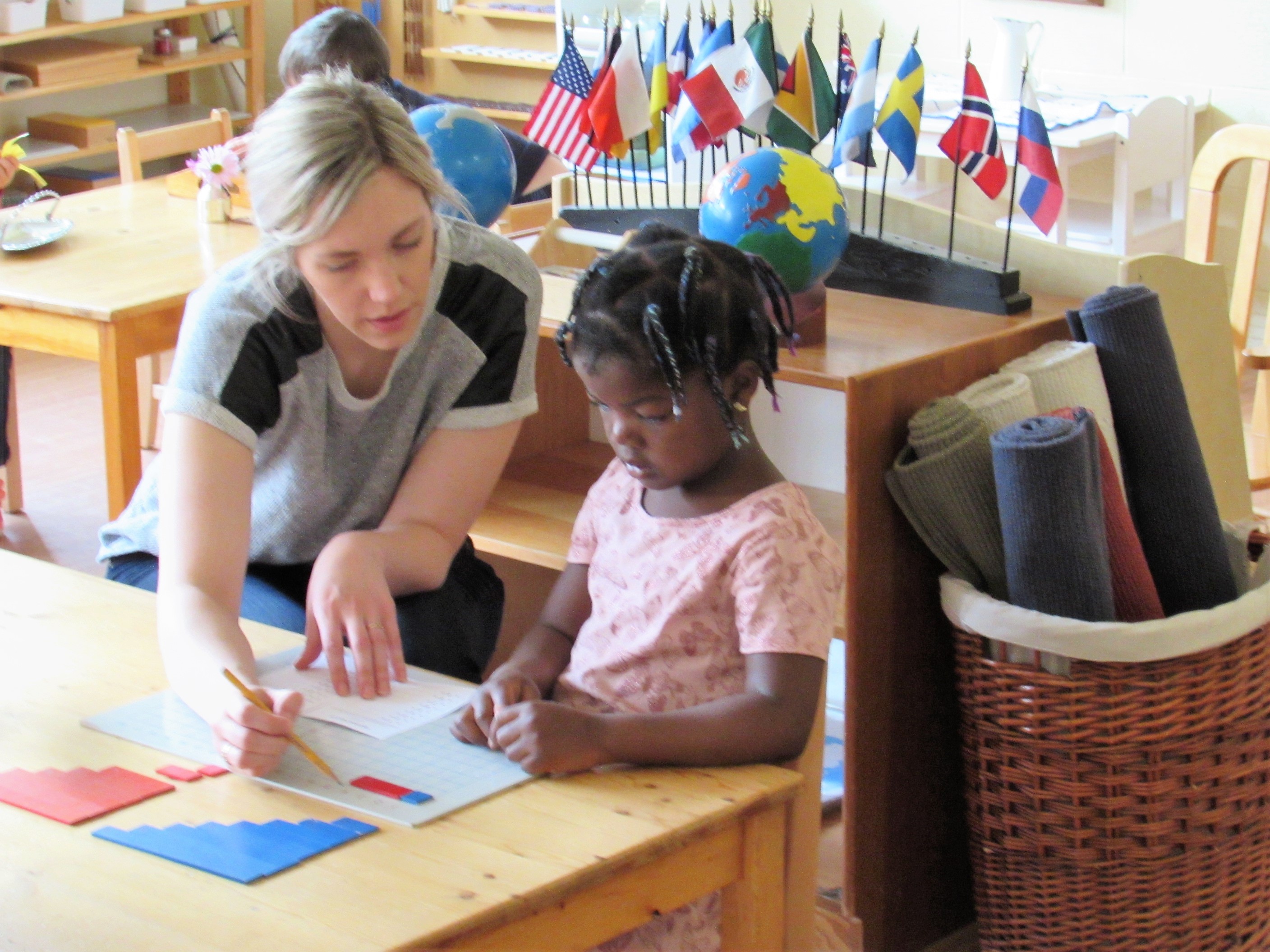
Casa North: This week, I'd like to highlight some of the materials that introduce geography to the child under six. In a Montessori Casa environment, we always show them "the whole before the parts." This means that we want the children to have an experience with the entire concept before breaking it down into individual components. In regards to geography, we introduce them to the Sandpaper Globe (a globe that depicts land with sandpaper and water that is smooth) and give them the language of "land and water." Next, we show them the Painted Globe, which is smooth entirely but each continent is painted a different colour. At this point, we discuss the language of "continent and ocean." By having two globes that provide different language, we are introducing the notion that there are both physical and political geography. It often results in beautiful conversations and evokes curiosity about geography in general.
Next, we introduce them to the Puzzle Maps. The maps are carefully constructed to be accurate and represent each country within each continent as a separate piece. Maria Montessori observed children and saw that they were interested in geography and also loved puzzle work, and so she created purposeful puzzles for them to use! I'm sure it's no surprise that young children love working with puzzles.
I first show them the puzzle map of the world and discuss the hemispheres. The children are then free to use the puzzles that represent each of the seven continents. We have puzzle maps of Canada and the United States as well, which are great to encourage conversation about places explored and traveled.
The children are constantly seeking challenges. I encourage them to learn all of the continents, or the countries within a continent, and they are passionate about this information. The beauty of the Montessori classroom is that even if a child isn't directly receiving the presentation, the language exists in the ether. The material is colourful, enticing, and exciting for them, and is one of my favourites, too!
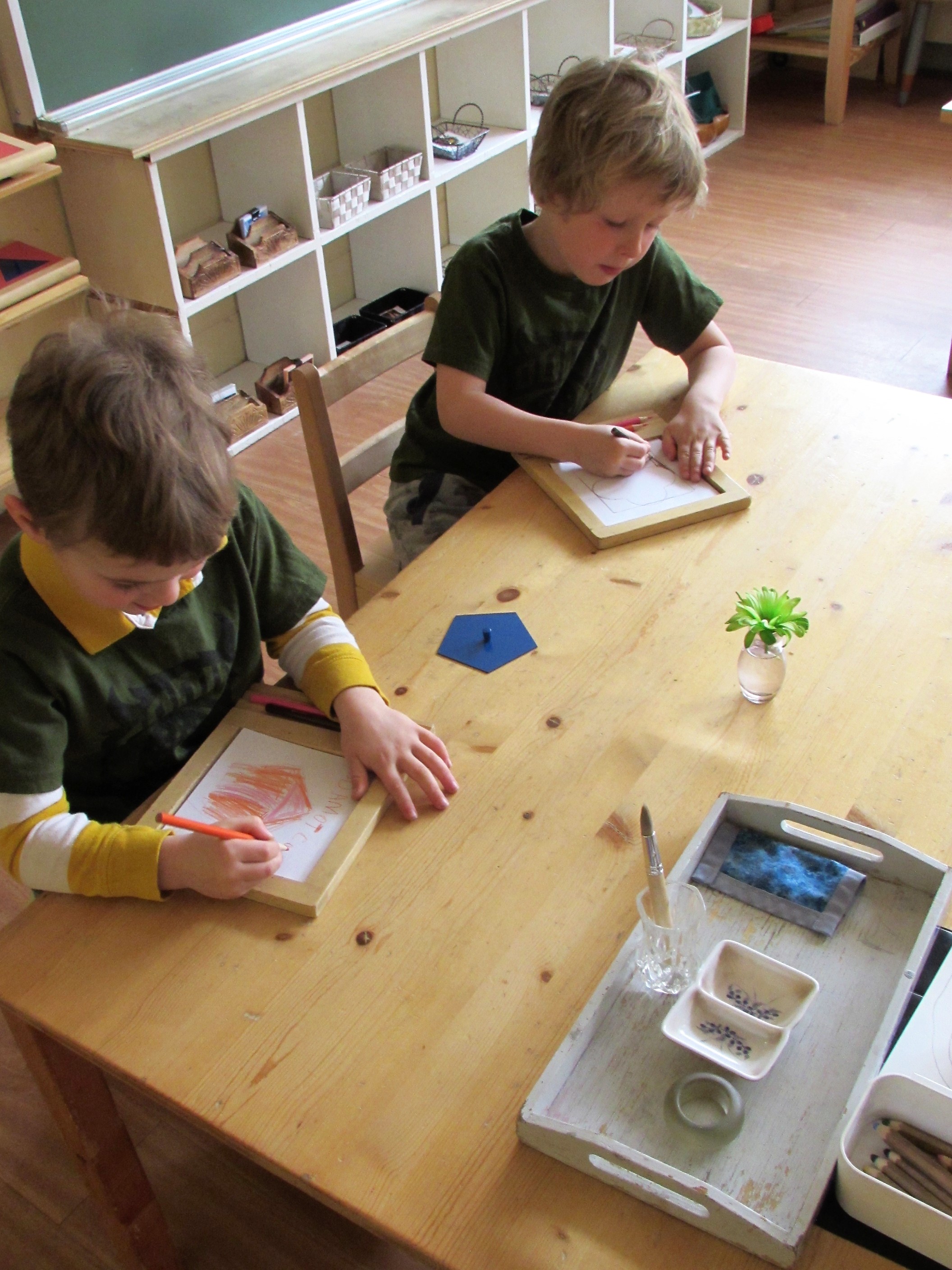
Elementary:
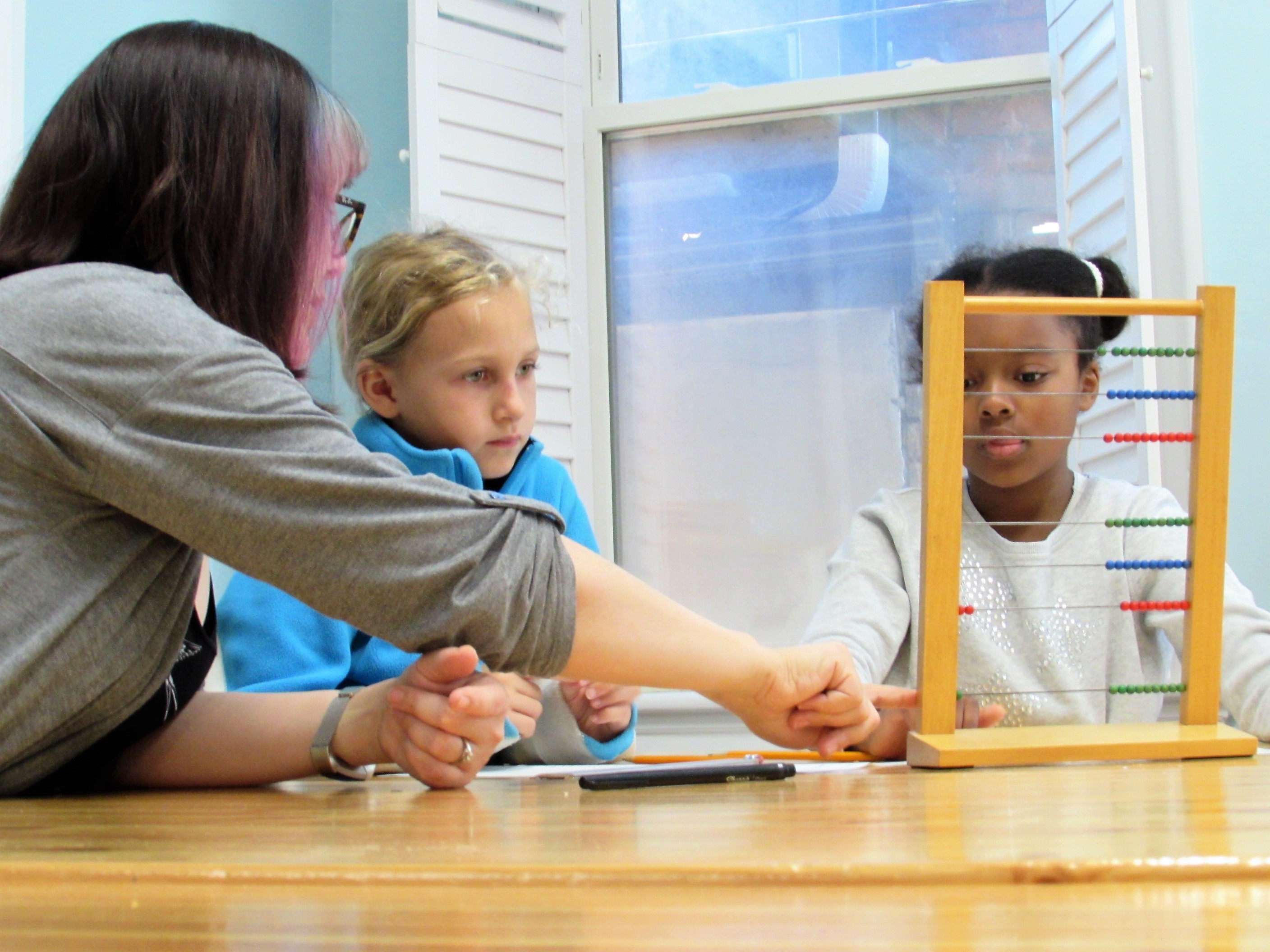
Elementary Parents: Today was the deadline to RSVP for the end of year sleepover. More details about what to bring, etc., are still to come, but please RSVP ASAP if you haven't already done so. Thank you.
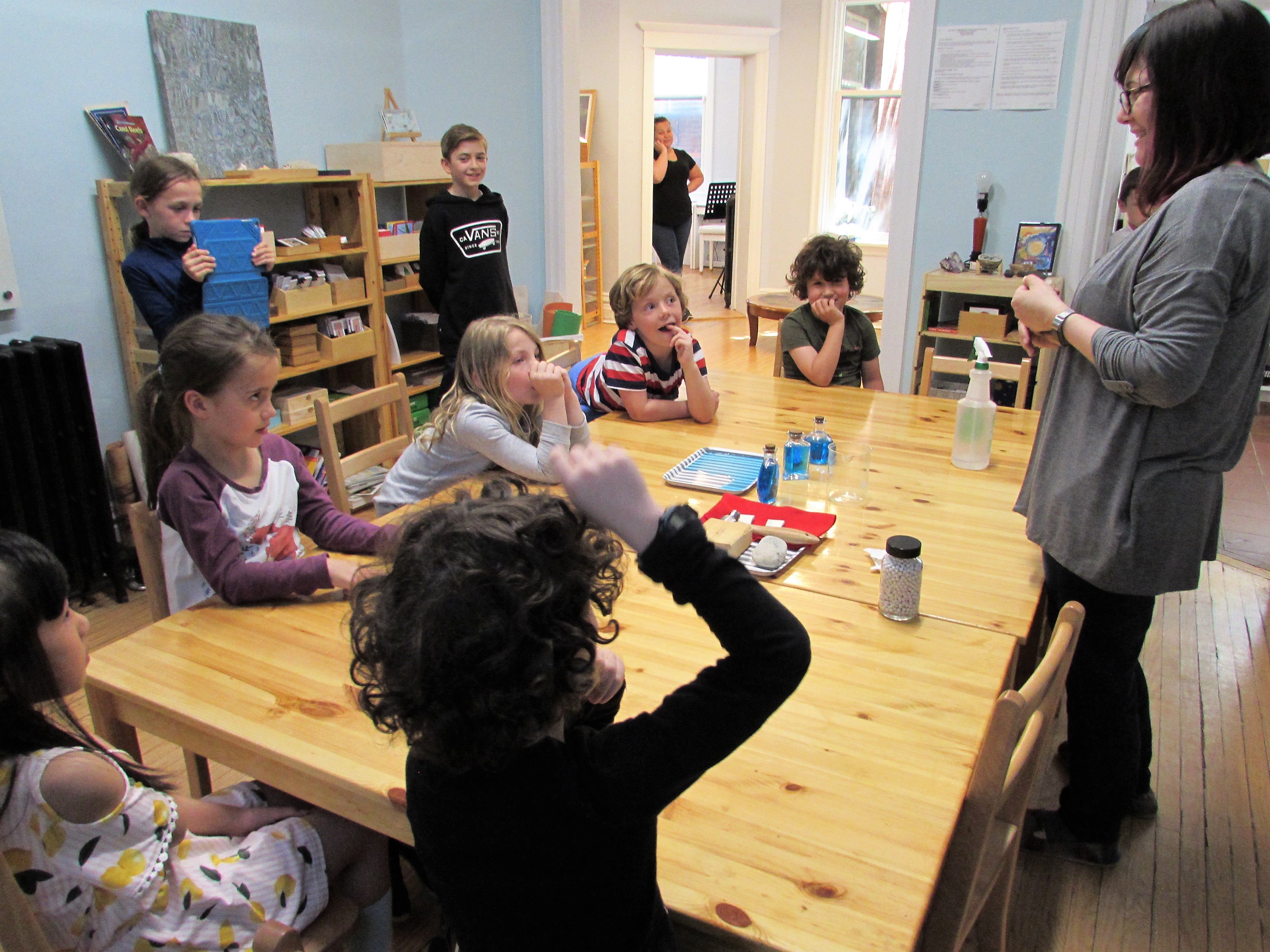
One of the most beloved materials in the Elementary environment is the Timeline of Life, which is presented each fall in connection with the Great Lessons. It illustrates the information gained through the fossil record of the ancient creatures that emerged during the Paleozoic Era, from invertebrates to fish and onward through the Mesozoic and Neozoic. The Timeline of Life guides students to identify the characteristics that define each class of animals: fish, amphibians, reptiles, birds, and mammals. It reveals the enormity of time that passed before humans arrived, with only a thin line red at the end representing how long we have been here. This is what the 6-year-old child sees, but there are many more lessons woven through the eras.
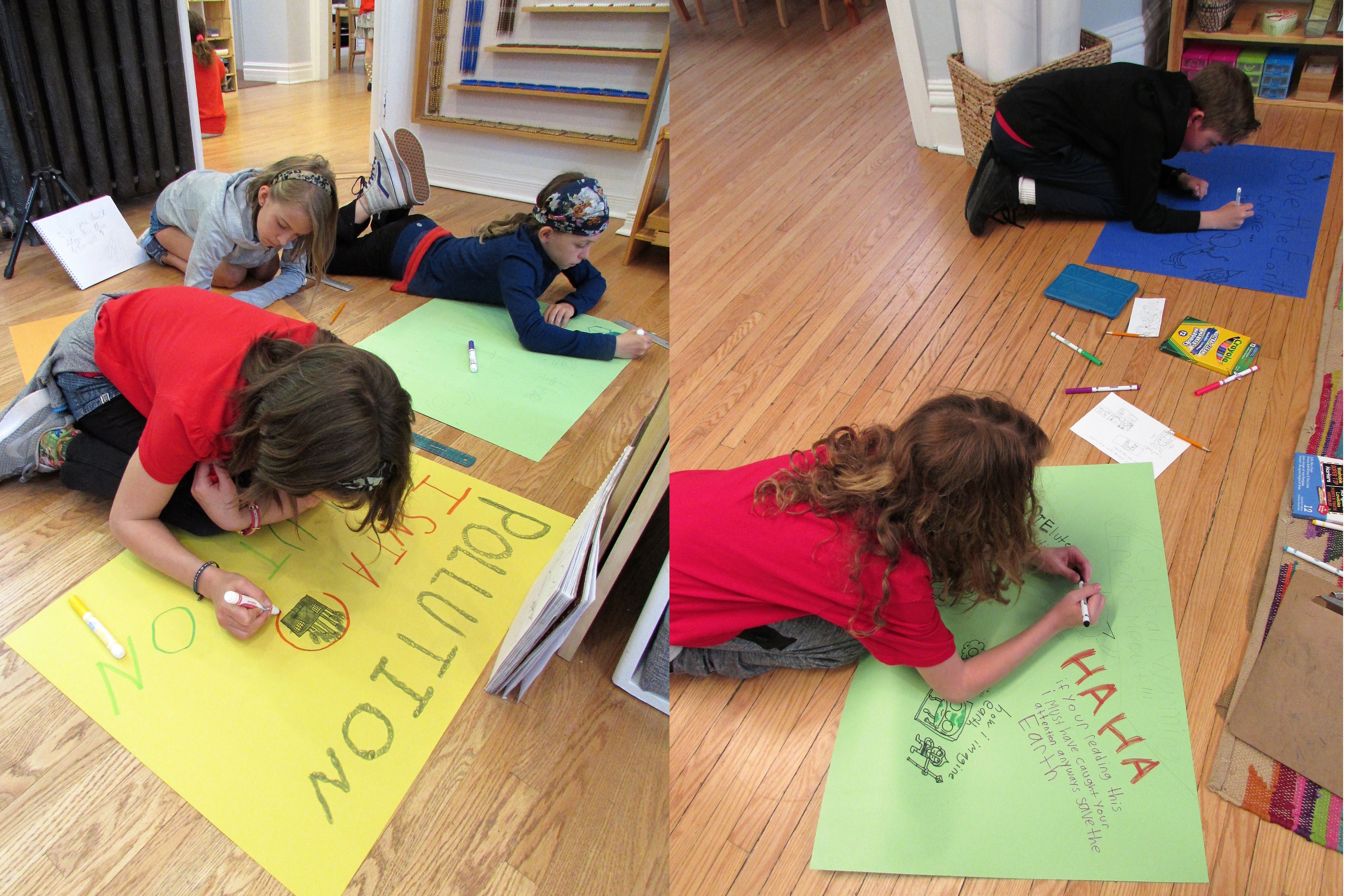
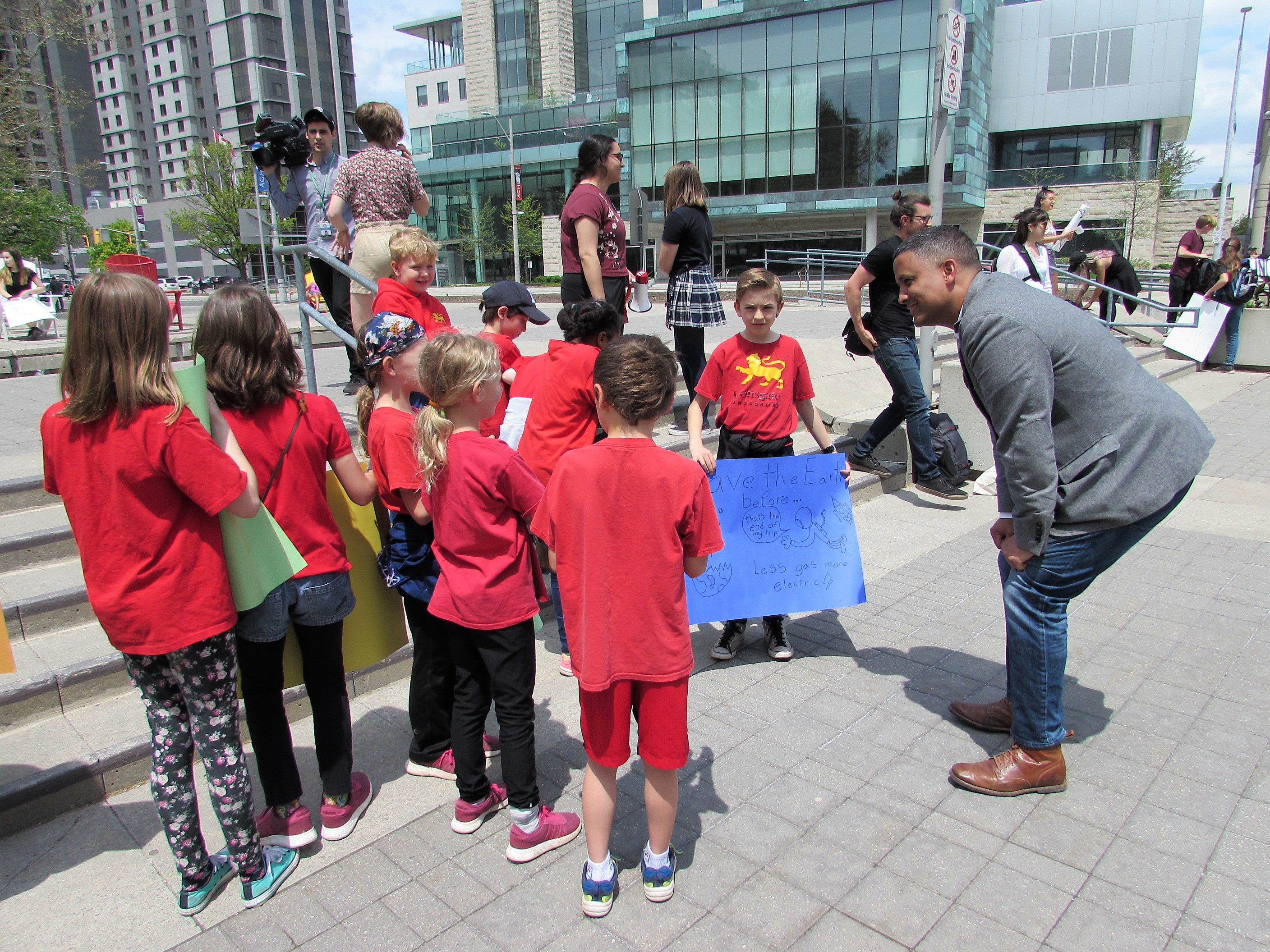
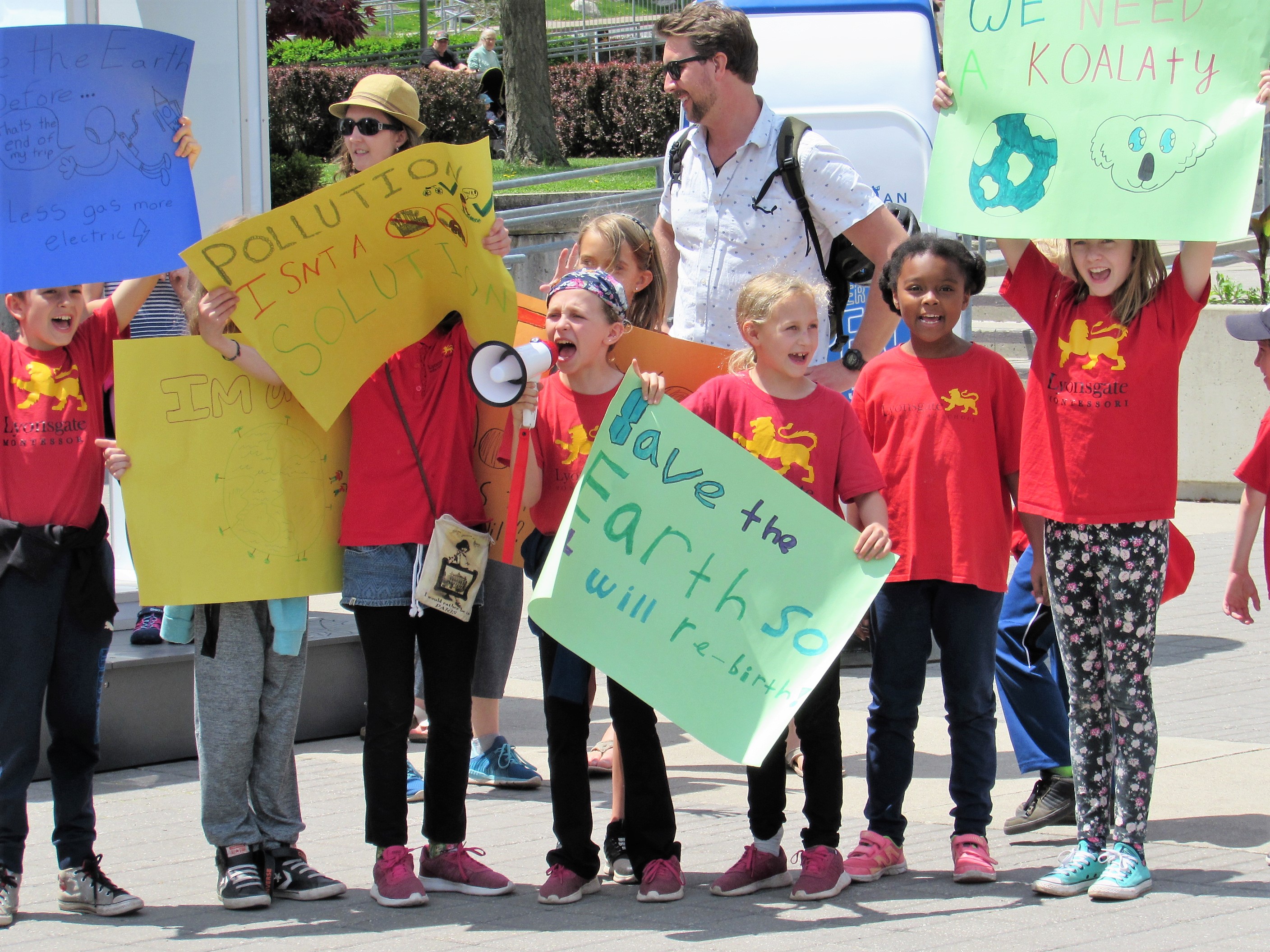
The Timeline of Life indicates periods of volcanic eruption, glaciation, and extinction. It contains maps of the continents as they slide into different positions, pushing together or drifting apart. Each little drawing is a new point of interest, a new piece of the puzzle of life on Earth, and the interplay between the physical world and the biosphere. This week, the students returned to the Timeline of Life in preparation for attending the School Strike for Climate, initiated by the remarkable Greta Thunberg of Sweden. They have learned about the role of carbon as an essential element and how it developed into coal through the Carboniferous period. Students were drawn into discussion of how humans later discovered and used coal to advance technology and society — to meet their fundamental needs for shelter and transport.
The Timeline of Life may look back through history, but it also provides the springboard for conversations about the future — about the interconnectedness of all life and the the responsibility of humans to act as the caretakers of this wondrous environment. Today, Lyonsgate students are being asked to think about our role in the world and to advocate for what they believe as they experience the Fridays 4 Future School Strike for Climate rally. They traveled to the rally in body and spirit with others who share their desire for a healthy future, and witnessed how to raise their voices collectively for change. — Marissa
Coming Up:
Parent-teacher conferences:
Lyonsgate will be closed on Friday, June 14, for year-end parent-teacher conferences. There are also a few conference time slots available after school during the week leading up.
Conferences are 20 minutes in length and take place in your child's Montessori classroom. Please be on time and do not stay beyond your scheduled time slot so that we can keep everybody on schedule. Thank you.
Please click here and select your child(ren)'s class(es) to schedule your parent-teacher conference.
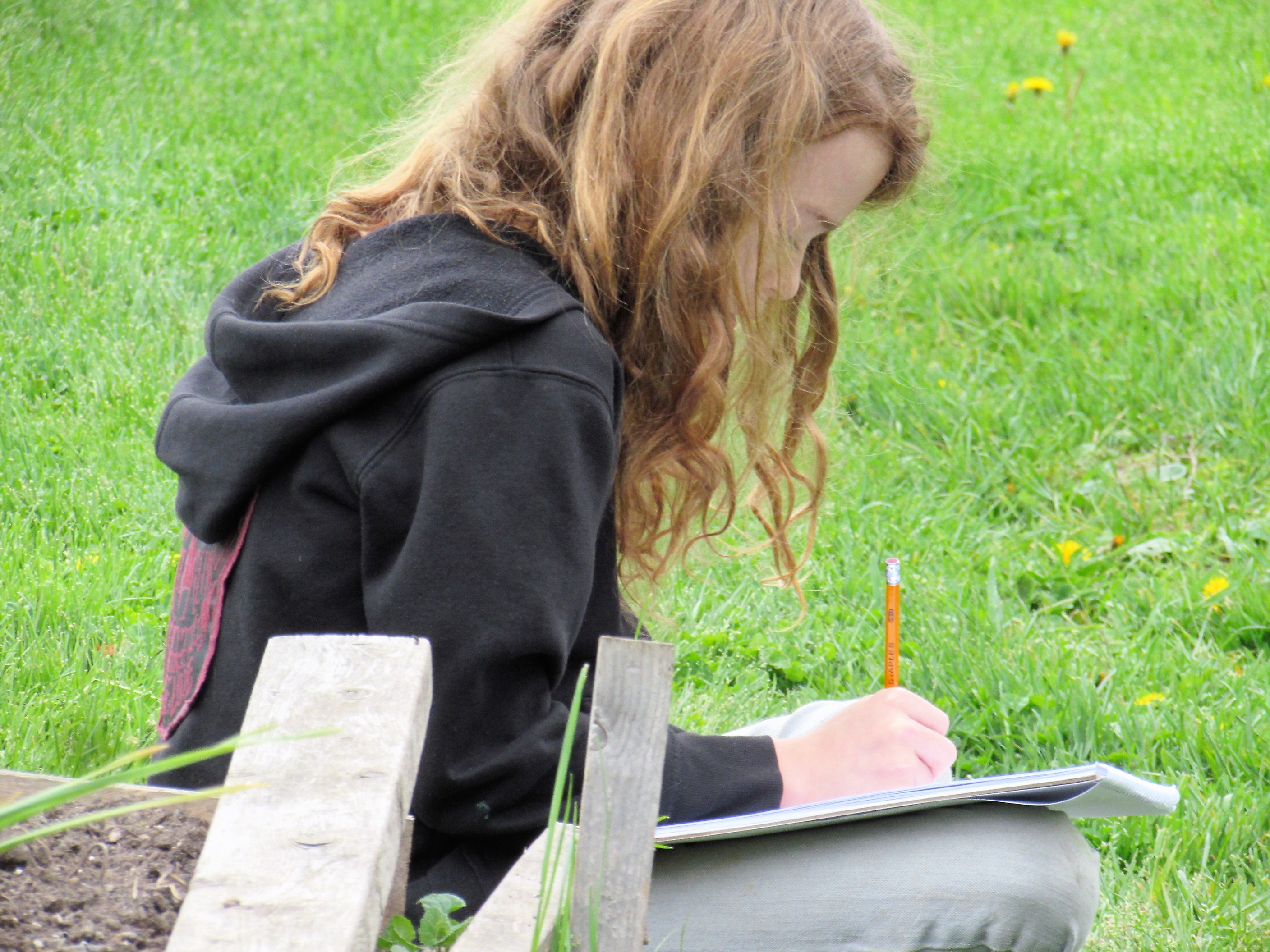
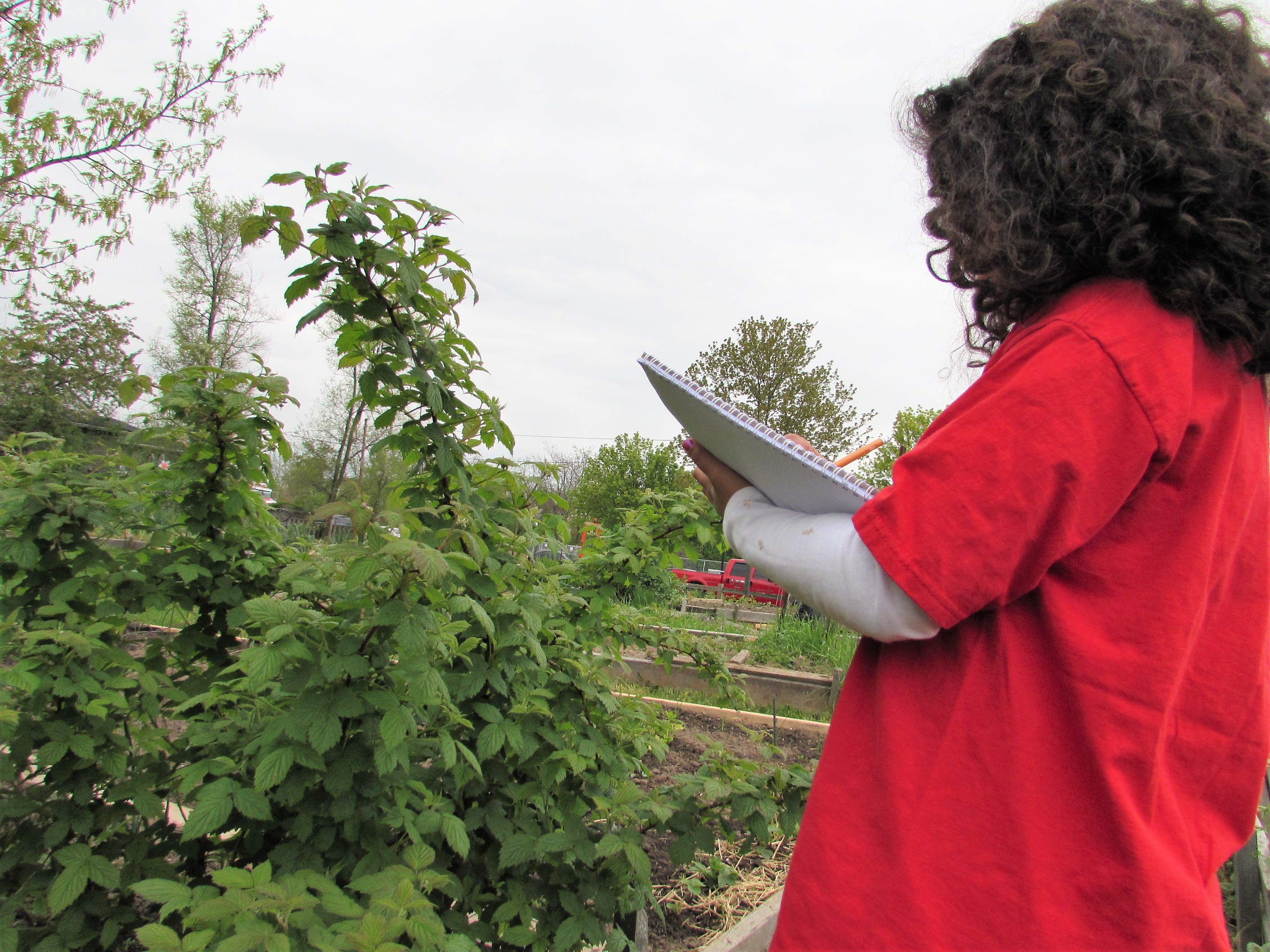
The remaining photos this week are some photographic art pictures taken by a budding Elementary photographer during our botanical sketching outing this week to the local community gardens.
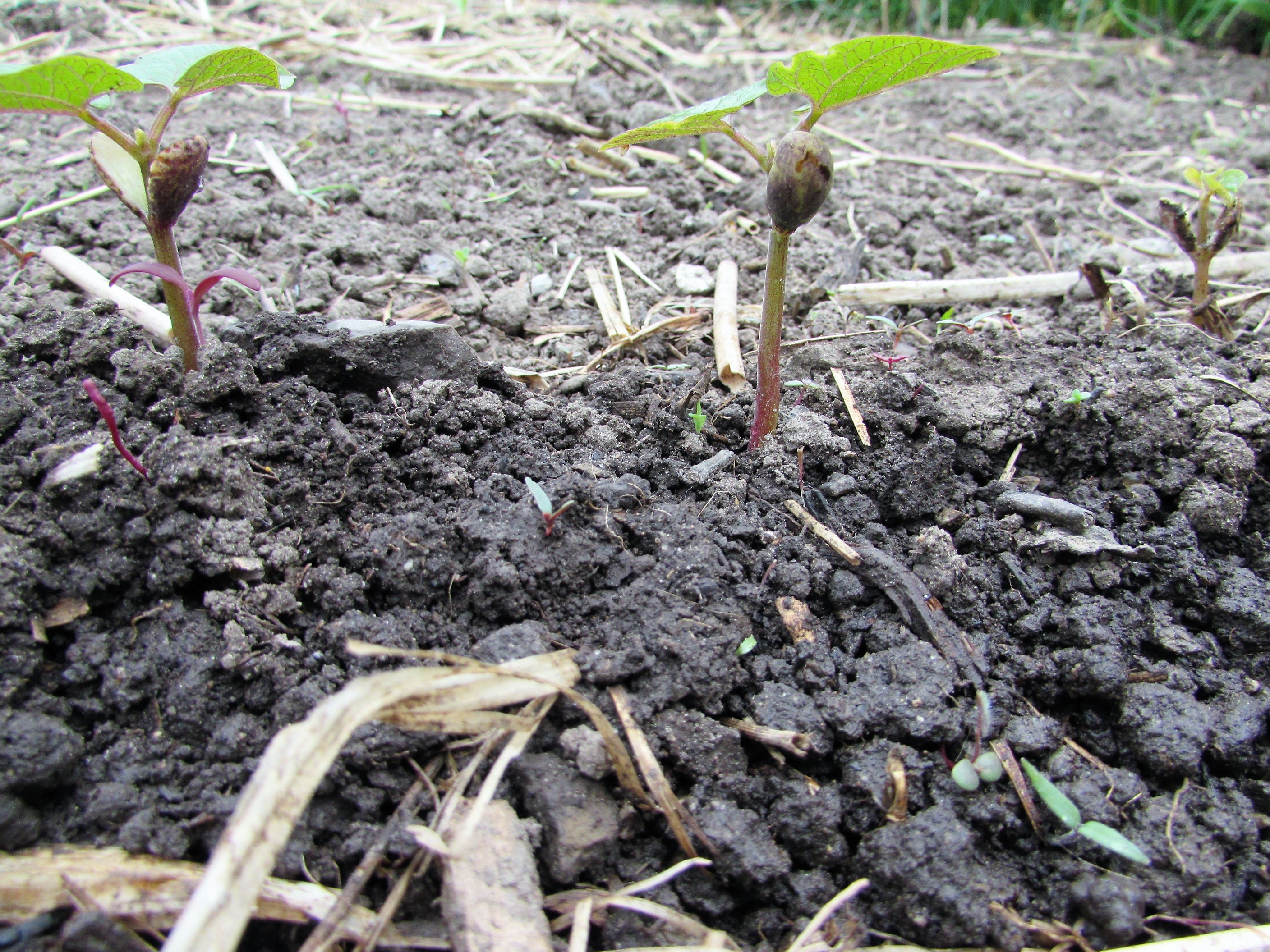

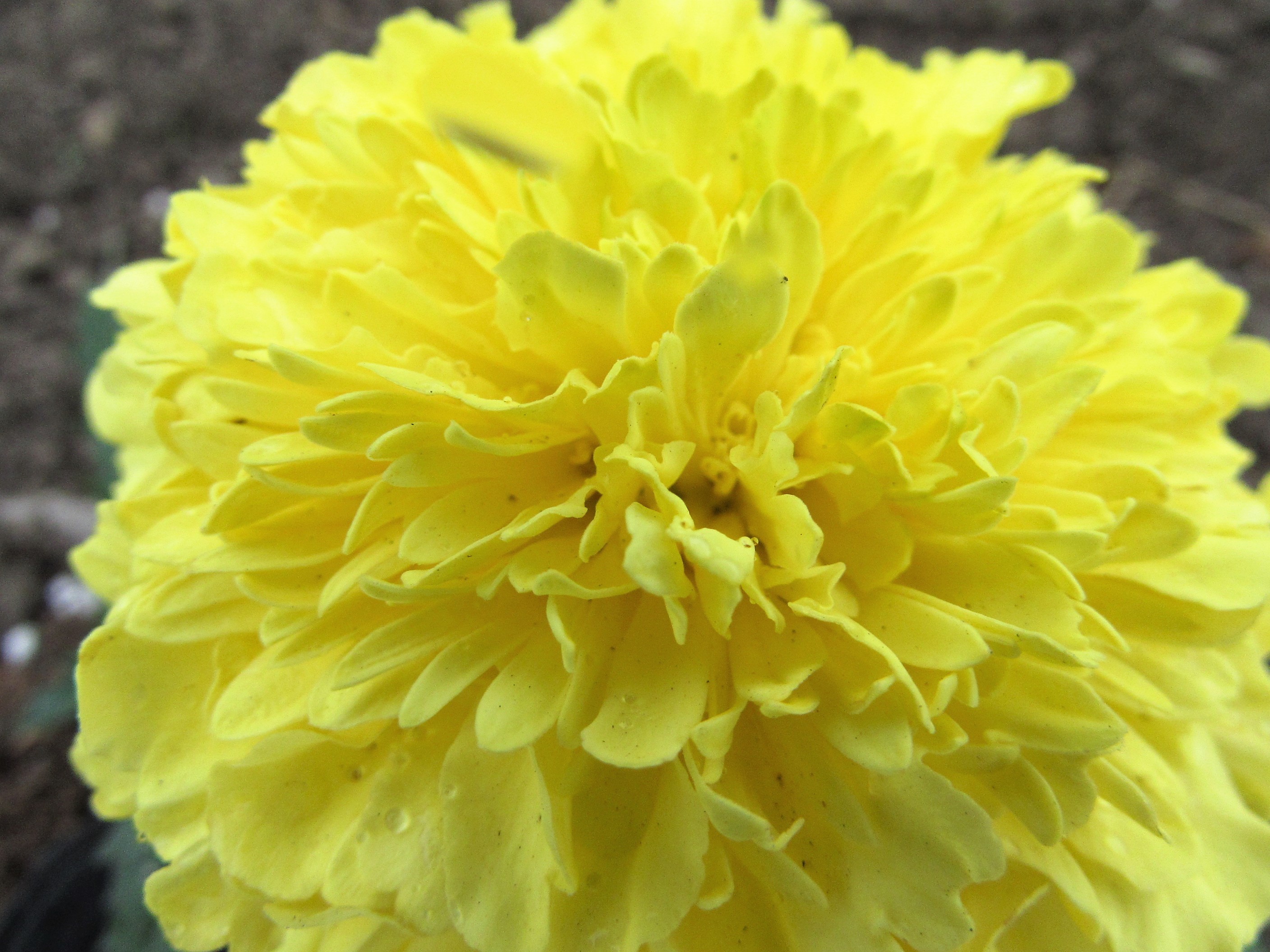
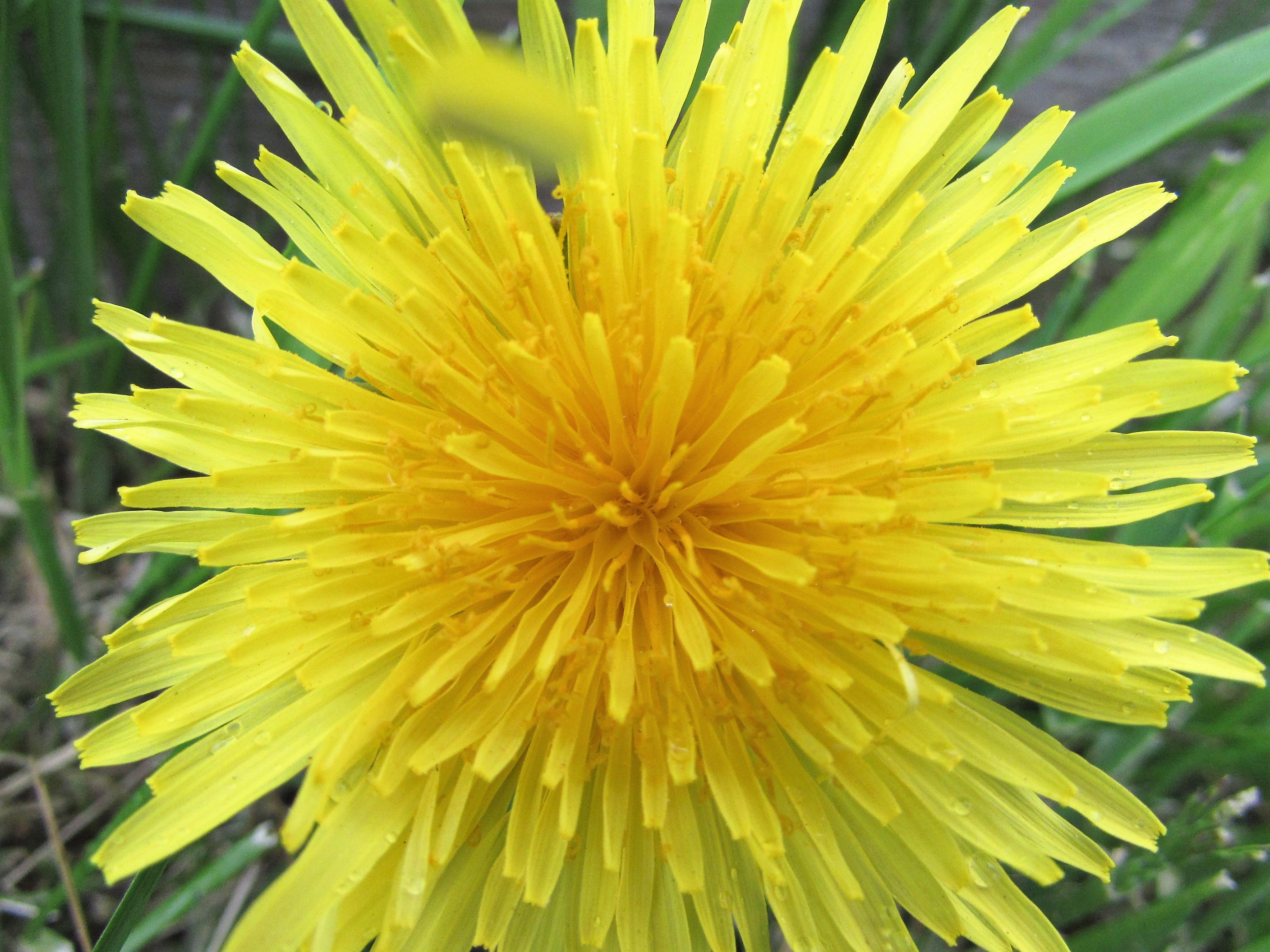
Happy Spring!

Lyonsgate Weekly Update | May 16, 2019
Hello Lyonsgate Montessori Families,
Happy Birthday Queen Victoria! Lyonsgate staff are observing at other Montessori schools today or are spending the day at the Primary campus developing the Montessori environments (we're never done). We'll see you all on Tuesday.
Parent Observations are continuing in the Casa and Elementary Montessori environments until June 4. Observations in your child's classroom are 20 minutes in duration and occur during the morning work cycle. Before your observation, please review the Observation Guidelines for Casa, and/or for the Elementary program.
Please click the relevant link(s) below to schedule your observation:
- Casa North: Click here to schedule in Casa North (Ms. Boyle).
- Casa South: Click here to schedule in Casa South (Ms. Moffatt).
- Elementary: Click here to schedule in Elementary.
Apologies, I was sick this week, so not many photos.
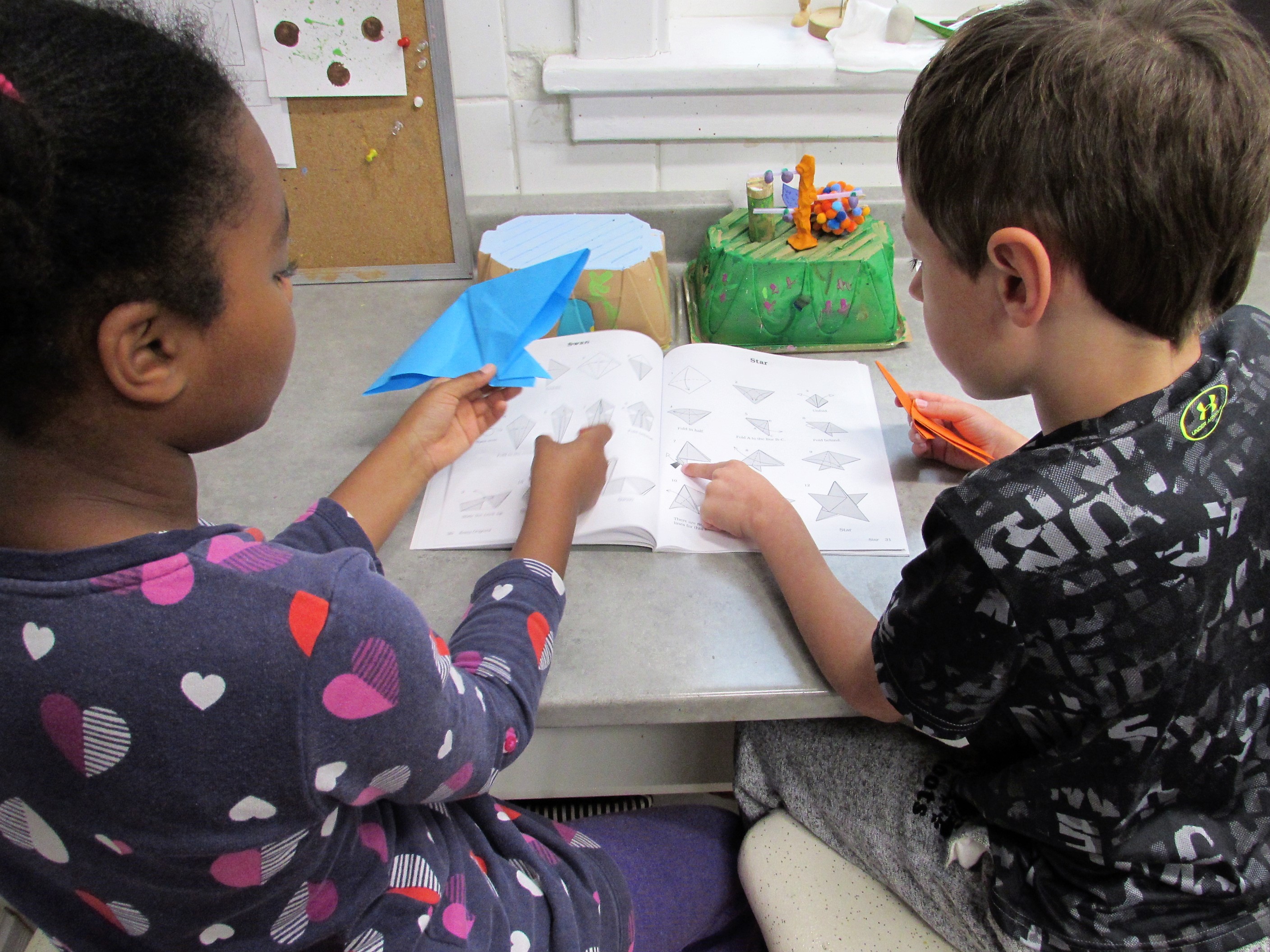
This Week:
Toddler:
The prepared environment is a concept central to Montessori education; it facilitates independent learning and discovery. The classroom is filled with a variety of carefully selected materials and activities — everything has a purpose and a clearly defined home.
This week, it became evident that the children have also acquired a sense of the prepared environment and demonstrate it beautifully. They have been prompt at putting their work away, tucking in their chair and taking the initiative in helping their peers clean up after themselves. We heard, “I’ll clean it up!” at the sight or sound of any spillage, or “I’ll take care of it,” when a material was placed on the inexact shelf. We observed a second-year student proceed to bring the trays containing the materials to the front of the shelves and even knelt to ensure that they were aligned accordingly. A first-year student spent the entire work cycle with a mop in hand and immediately cleaned up when necessary. Following their hard work, we heard delightful expressions of satisfaction and pride. We also could not help but beam with pride — the children have taken initiative in ensuring that their classroom community is well-maintained.
Order and predictability play a critical role in the child’s early life. A prepared environment that provides these attributes furnishes physical and psychological benefits that produce a happier, calmer, and independent child.
“The first aim of the prepared environment is, as far as it is possible, to render the growing child independent of the adult” — Dr. Maria Montessori.
Have a great long weekend everyone! — Ms. Dee
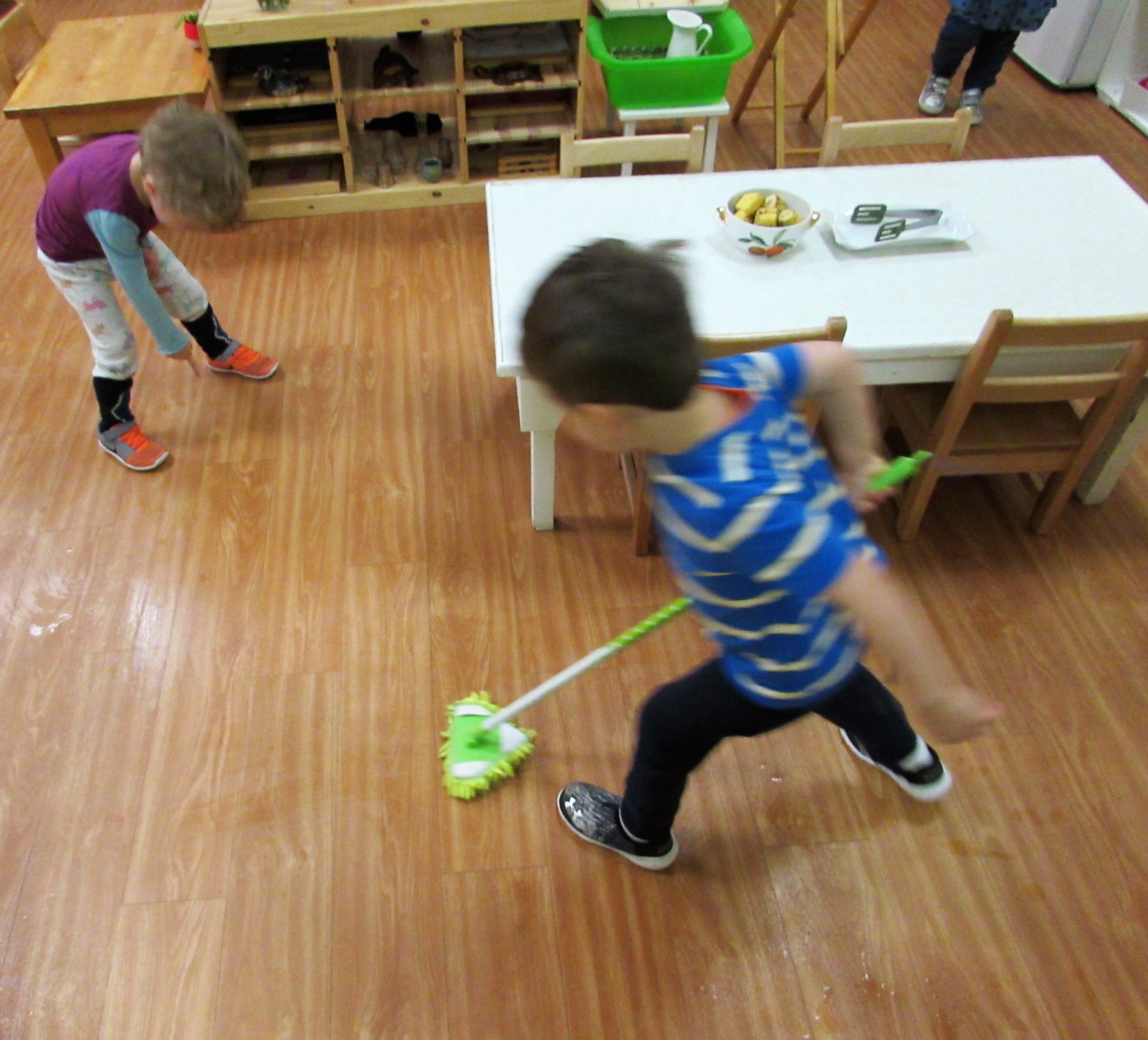
Casa
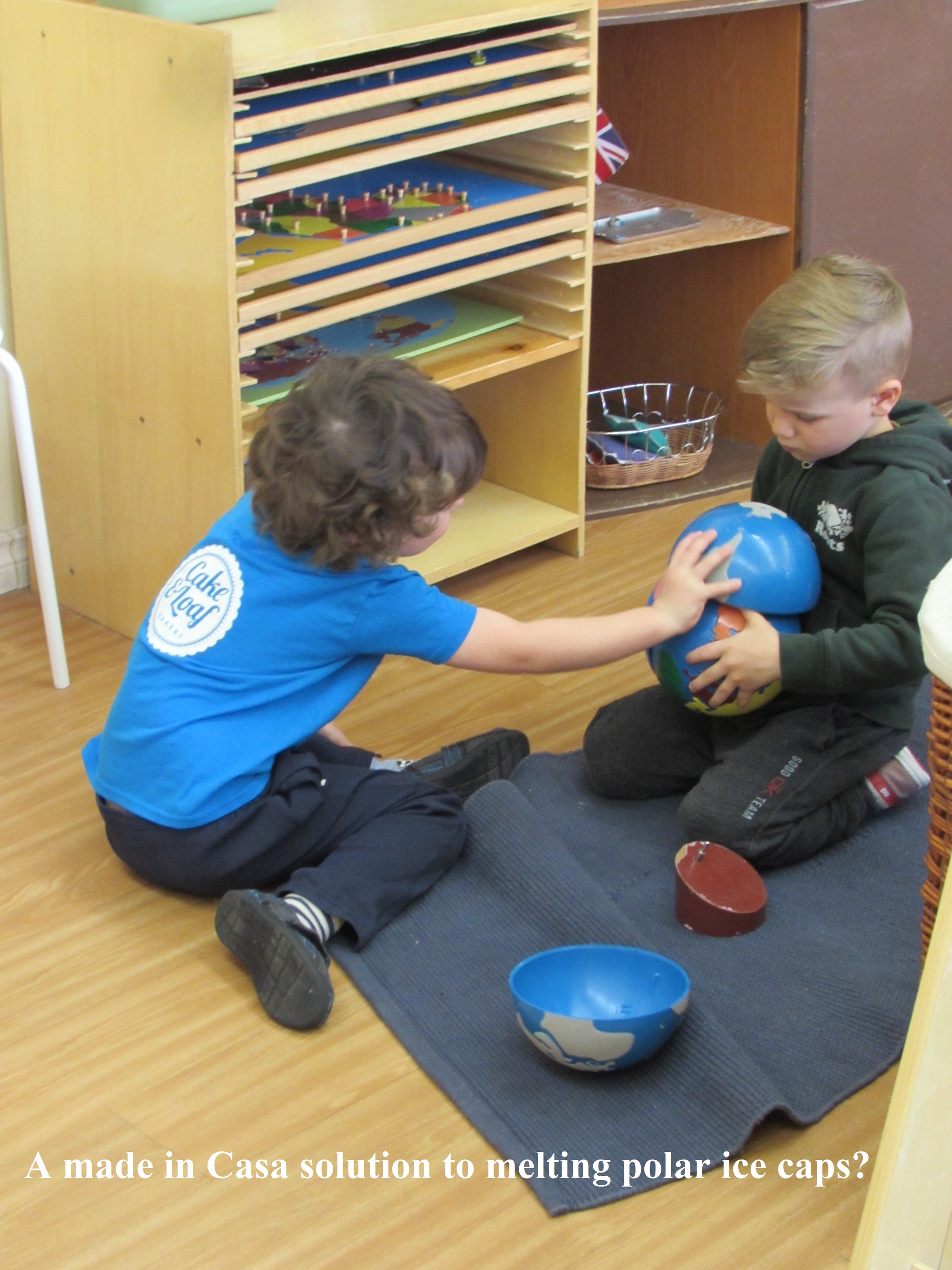
Casa South: This week, I wanted to talk about Montessori and sustainability. Sustainability is a hot news topic, as it should be; we all need to do our small part to create a better world for our children.
So, I have taken a moment to think about how choosing a Montessori education for your children is a sustainable choice.
The Montessori classroom indirectly promotes responsible consumption. Starting with the materials, wherein which there is one of everything. If one of those materials breaks, no one can use it until it is fixed, which means the children must be careful when they work. Paper activities have a limited supply each day. For example, 6 watercolour papers are put out every morning. If a child decides to use all of the papers but someone else wants to do watercolours we will not give them one. We want the children to discuss and realize that their over-consumption affects their friends, and the classroom.
It should be very hard to spot plastic in a Montessori Environment. Let's face it, plastic is terrible, not only for the environment but also in relation to all sensory experiences. We use as much wood, cloth, paper, glass, and metal as possible. With the exception of glass, natural materials are fixable (and more aesthetically pleasing). Having objects made of natural materials also prompts dialogue about where those materials came from.
Now, it goes without saying that we promote recycling and composting in our classroom. Sometimes the children come up and ask, "Miss Moffatt, which bin does this go into?" Bringing that idea into their consciousness feels like there is a bright future ahead already!
In a Montessori classroom, we think about the big picture. In the second semester of their first year (when they are 3-years-old!) they are introduced to the planet Earth, our world. Understanding that you are a part of the world makes you feel responsible for your actions. It is pretty amazing to hear the children in the washroom say, "Turn the sink off! That's from our oceans!" — Ms. Moffatt

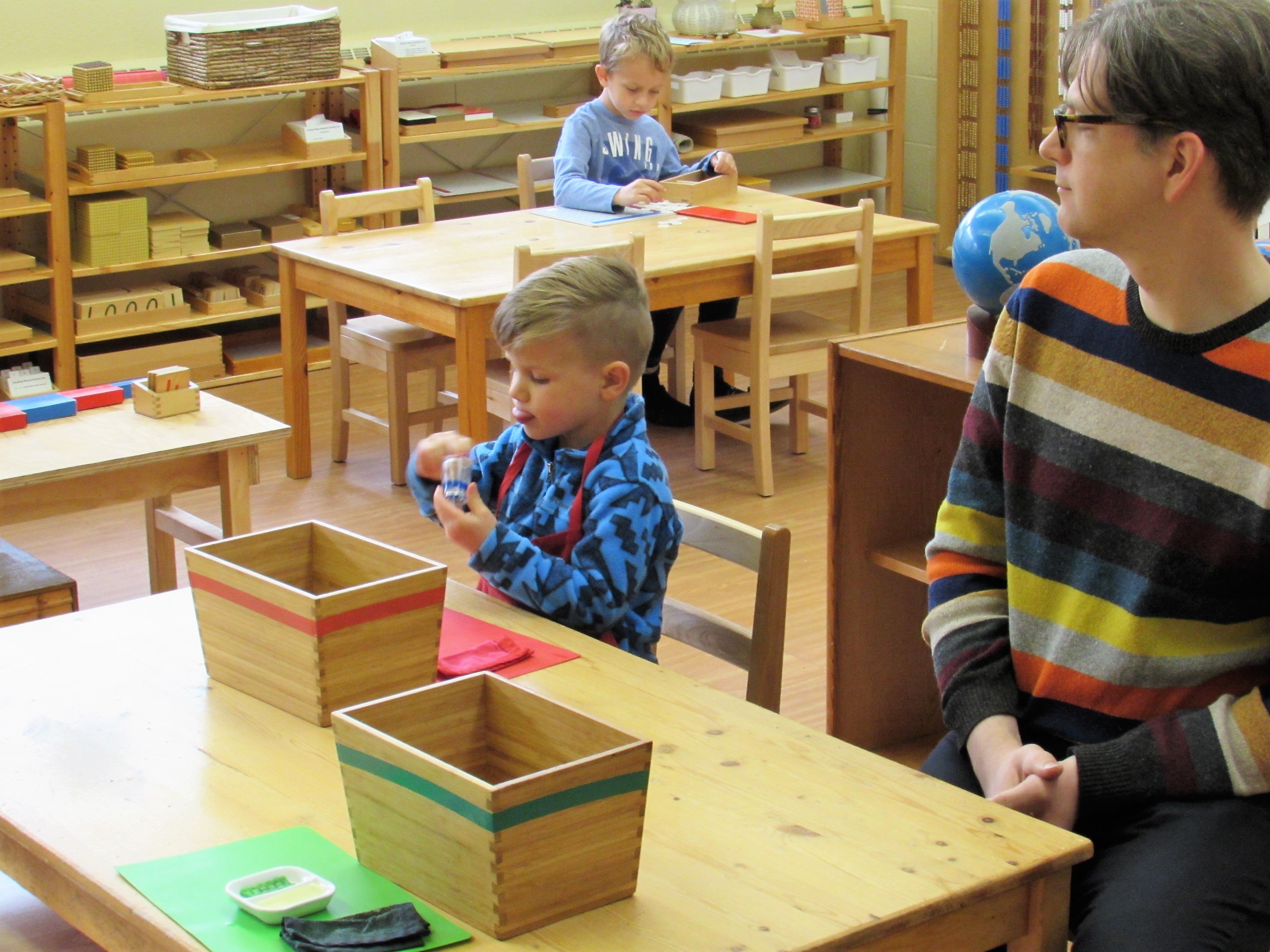
Casa North: Thank you all for attending our Show and Share — it was yet another huge hit! The children take such pride in welcoming you into their classroom (even if it may seem a bit overwhelming to have so many extra loving faces in the environment) and it's a very prideful moment for me to get to see them showcase their work with such independence.
I am regularly reminded of their independence and perseverance. As we enter the middle of our final term, I'm particularly noticing the changes in the first-year children. Some of these children arrived under the age of three, tearful, and nervous to leave mom and dad. This week, I looked around the classroom and saw them as creative, strong, and compassionate people. It's astounding that humanity starts off this way, and when provided with a nurturing environment, they can truly thrive.
From ages 0-3, children are unconscious learners — absorbing knowledge from their environments and experiences. Your Casa children are now demonstrating their conscious awareness of their classroom community and of their own learning. The first-year students are offering to help each other and the older children; one first-year child took out work well beyond his level and performed doing the work based on what he has observed (including "hmmm"s and erasing and serious looks and eventually a group of interested observers). They are now consciously striving for learning challenges, often beyond what adults might consider too hard.
This activity from the first-year students gives me confidence that they are ready for a seamless transition to their second year of Casa. They are ready to be leaders, mentors, helpers, and friends to the younger children to come, and to guide and nurture them into their own conscious learning stages. They are going to be good hands to be in. — Ms. Boyle
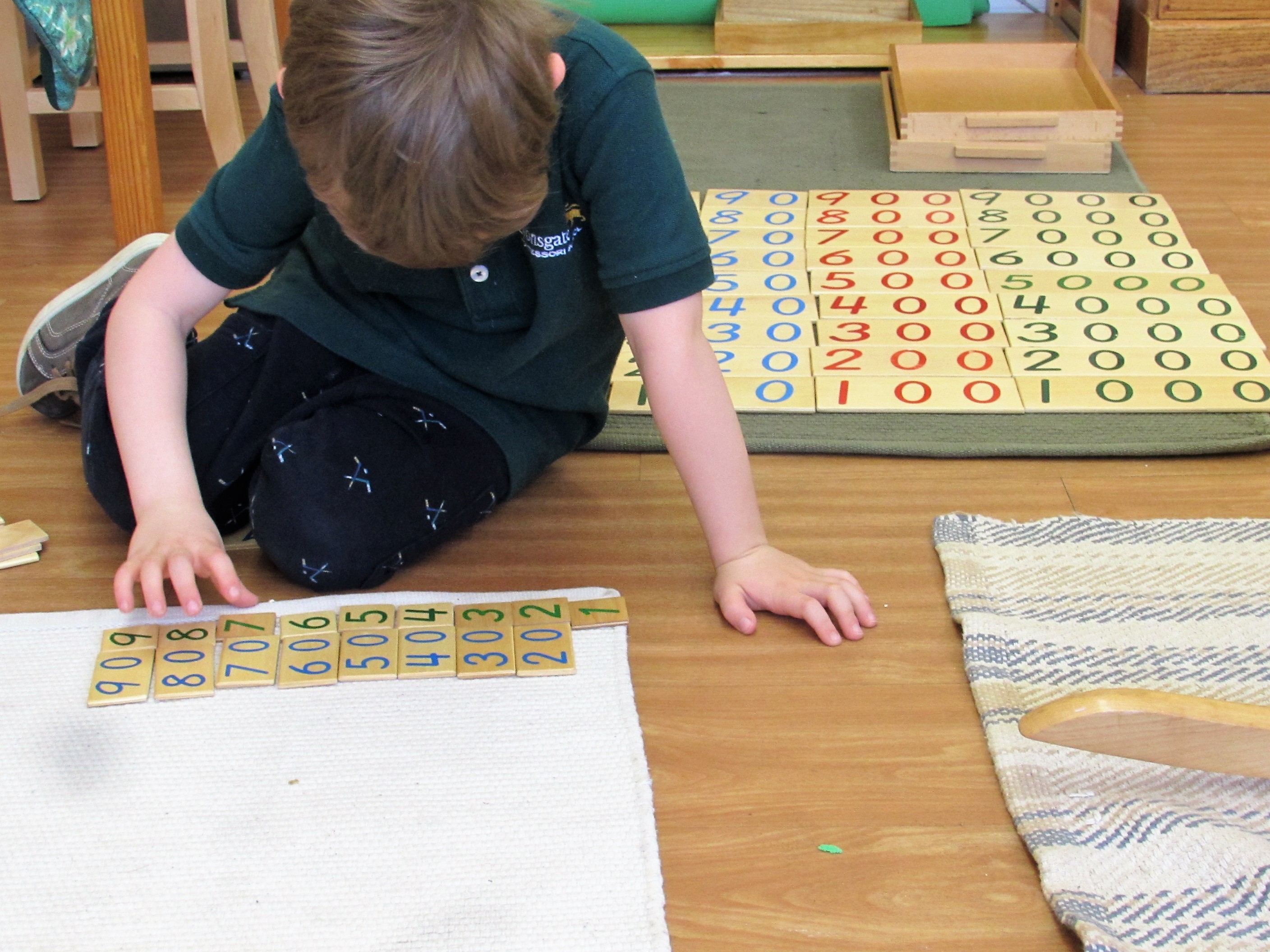
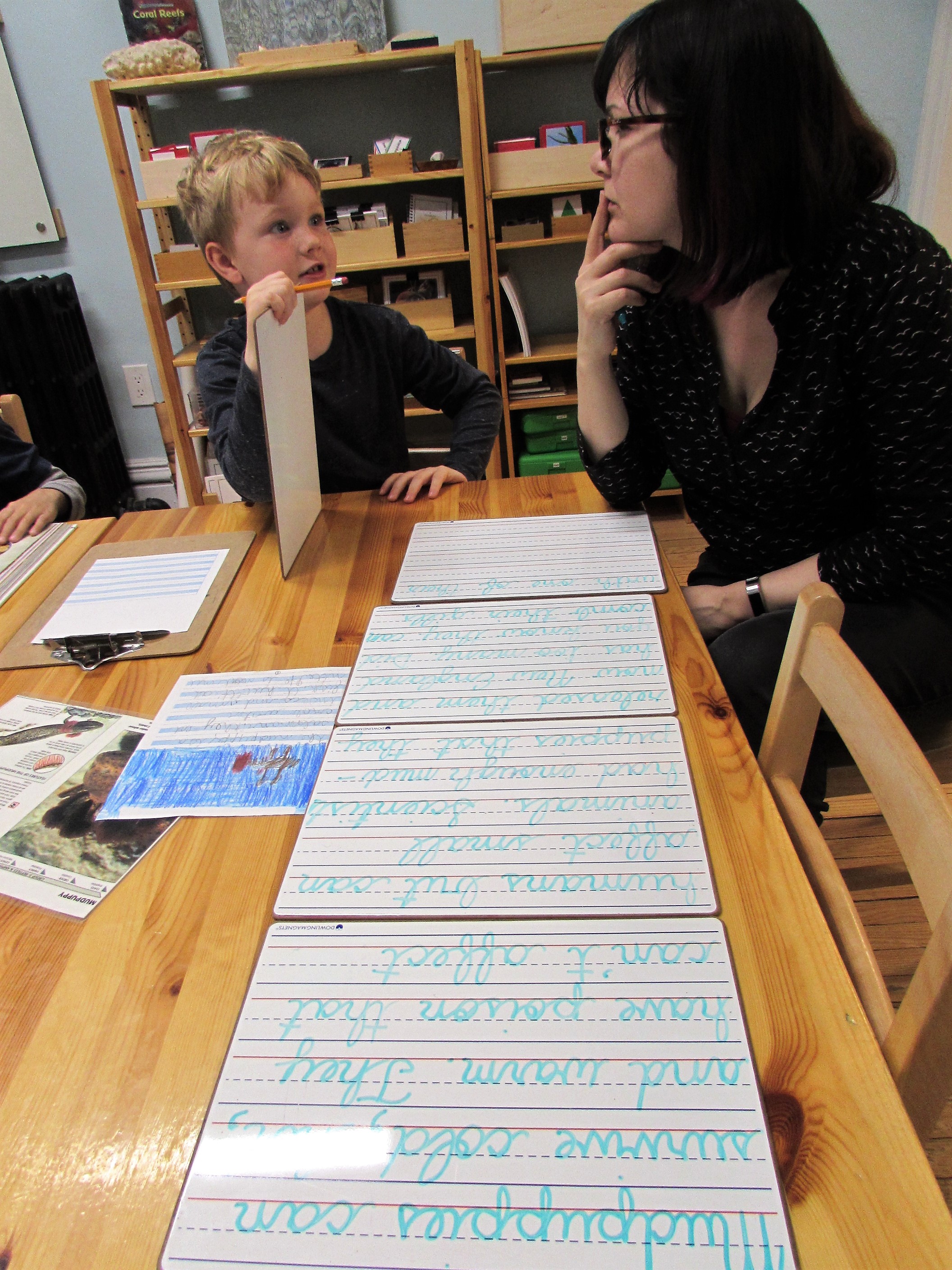
Elementary:
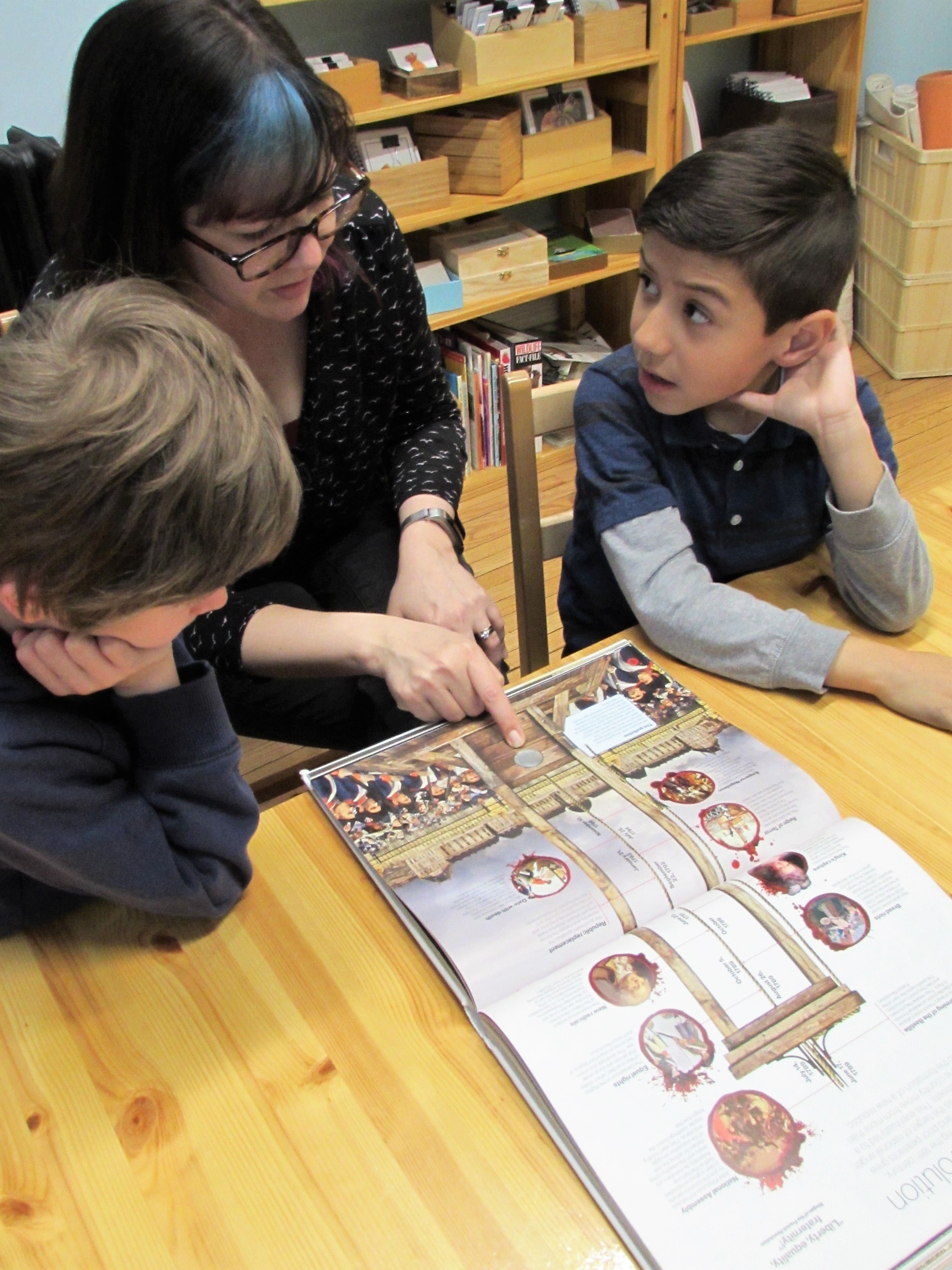
Our hearts are full at Elementary this week, and we cannot thank you enough for your tremendous support of our community outreach projects. Our little school gathered 124 lbs. of food for the Kirkendall Food Drive, and the Elementary Jump Rope for Heart event raised $2,950 for the Heart and Stroke Foundation!
The children are so proud of what they accomplished: helping local families get enough to eat, learning about the heart, challenging themselves physically in a social but non-competitive atmosphere, and raising nearly three times their goal in donations. Everyone had a wonderful time celebrating the success of the jump-a-thon with a fun afternoon of bowling at University Lanes.
The collaborative nature of the Elementary environment encourages students to build their knowledge and skills so they can be proud of their contributions to the group, rather than compete with others for recognition of superiority. The third and final term of each school year reveals the tremendous social development the children have undergone since September. It is the season of greatest creativity as they each bring what they have learned this year together into what Montessori called "great work" — those big endeavours that so capture a child that they become a memorable part of their experiences, a part of their identity. We see great work in the pair striving to teach themselves to read music, learn finger techniques, and play Beatles tunes by ear, and in the team preparing weekly riddles and biographies for younger students to enjoy. We see it in the whole class working together to stage a play, all under the direction of a 5th year student. Each of our students is constructing themselves, and that is the greatest work of all. — Marissa
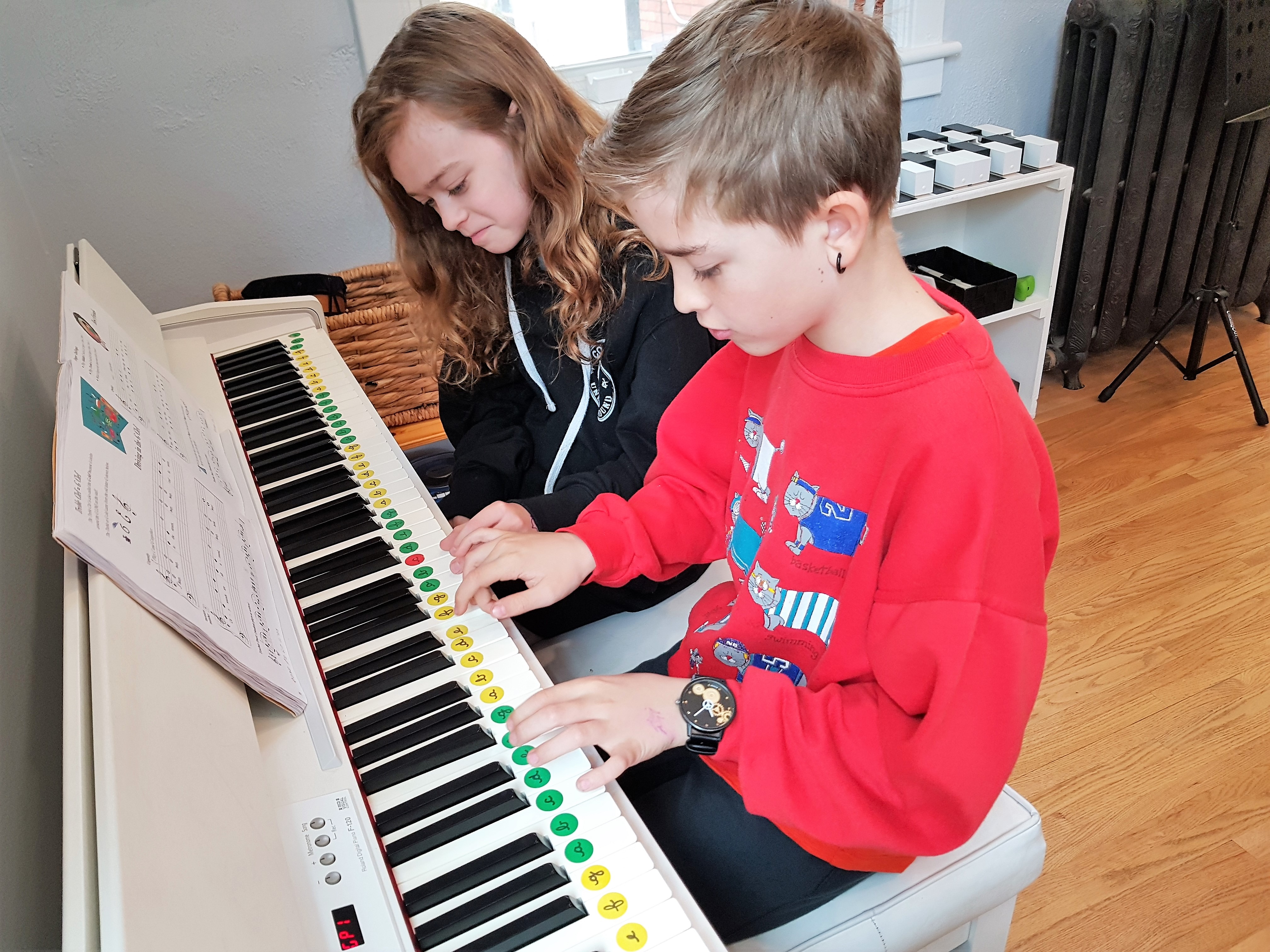
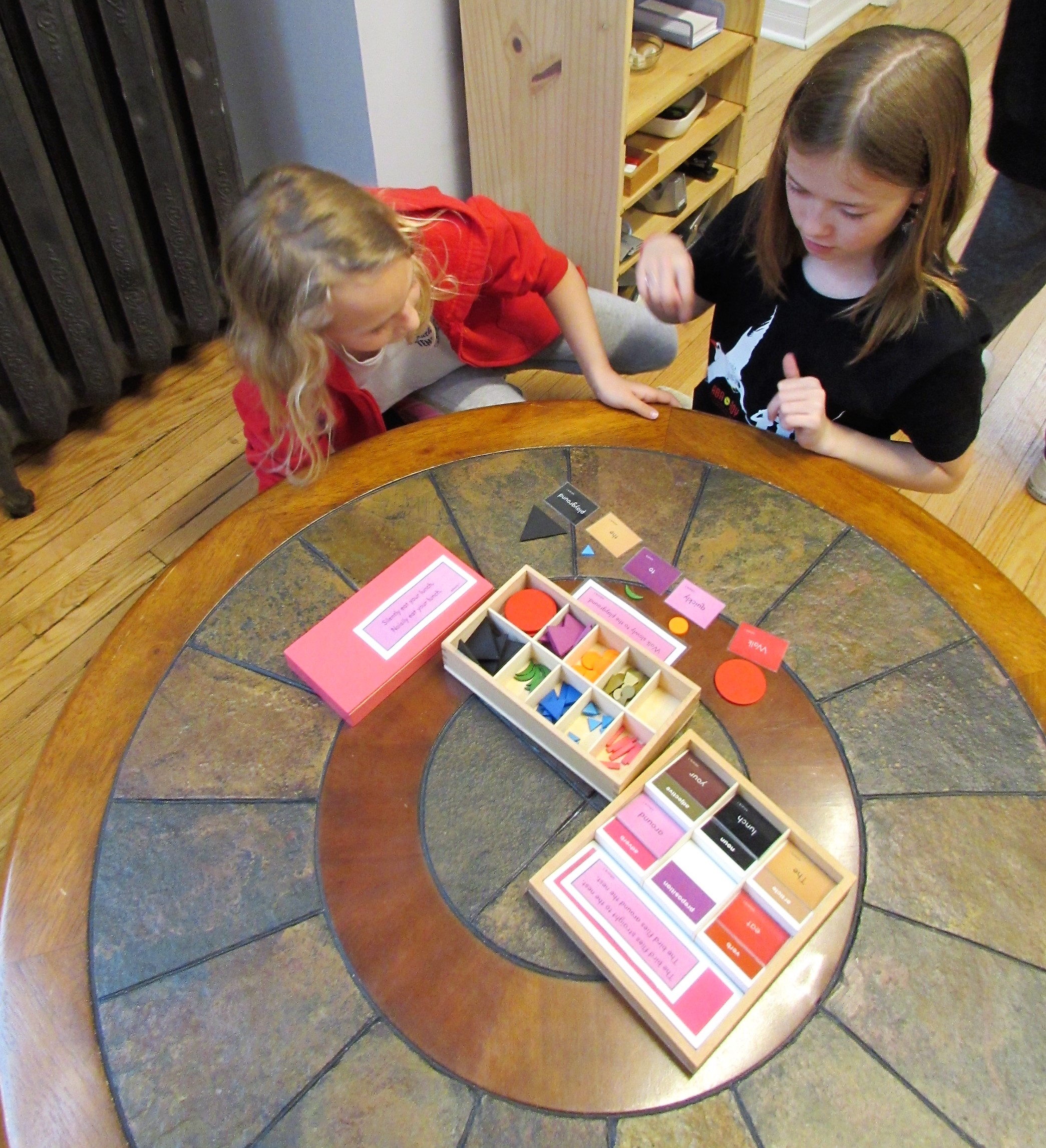
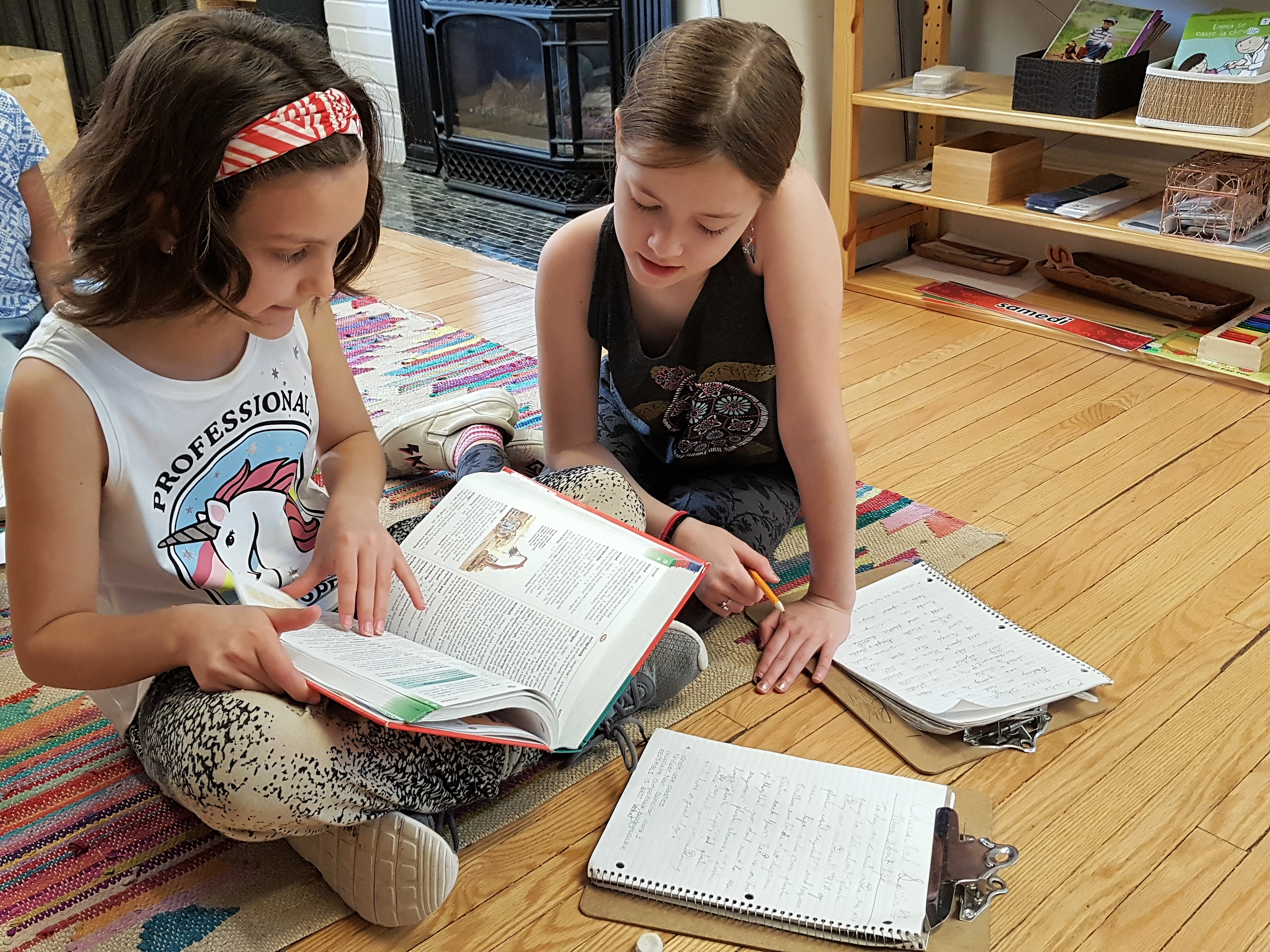
Coming Up:
Once we're through this long weekend we're in the home stretch to the end of the school year. The next date to plan for is Friday, June 14, when Lyonsgate is closed for Parent-Teacher Conferences. There will be a few opportunities for after-school conferences the week leading up to June 14, but the majority of year-end conferences about your child's school year will take place throughout the day on the Friday. We'll have sign-ups for you next week.